There are times when I get too locked into staring at a computer screen, writing, programming, building, that I need a hard reset. A reason to step away, get outside, and, in so many words, touch grass. In this case, that meant seeing art and remembering that the world exists outside of Google Analytics and code.
So when Amber suggested we make a morning of it at the Getty Center, catching “Photography and the Black Arts Movement, 1955-1985” before it closed, I said yes without hesitation.
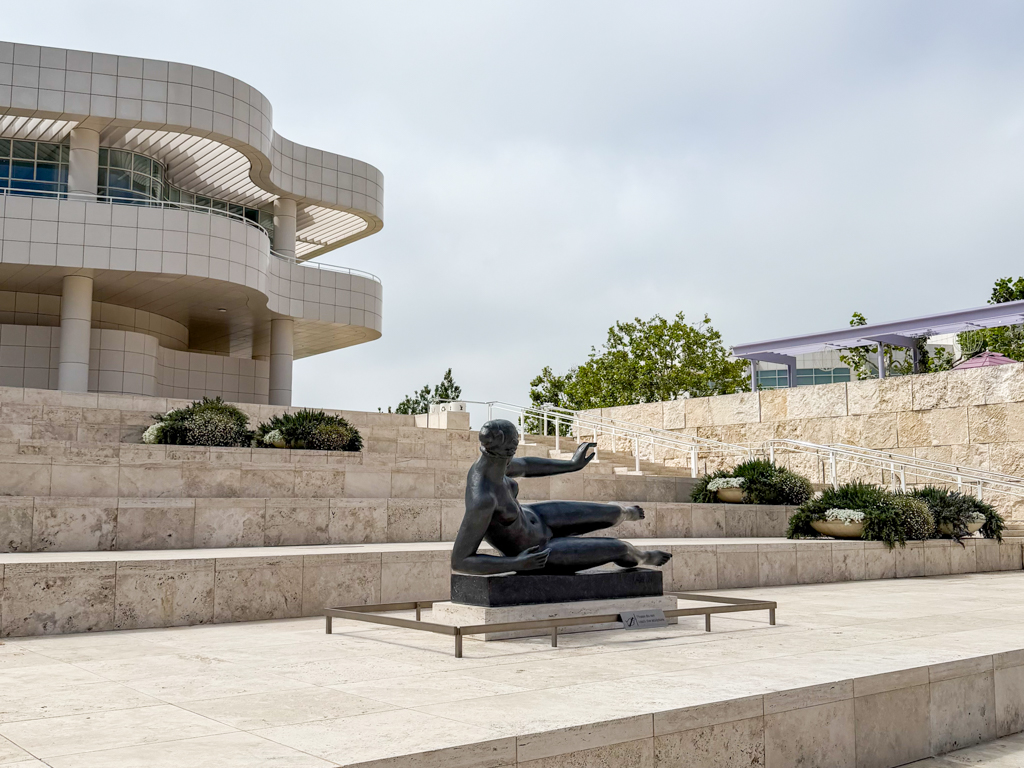
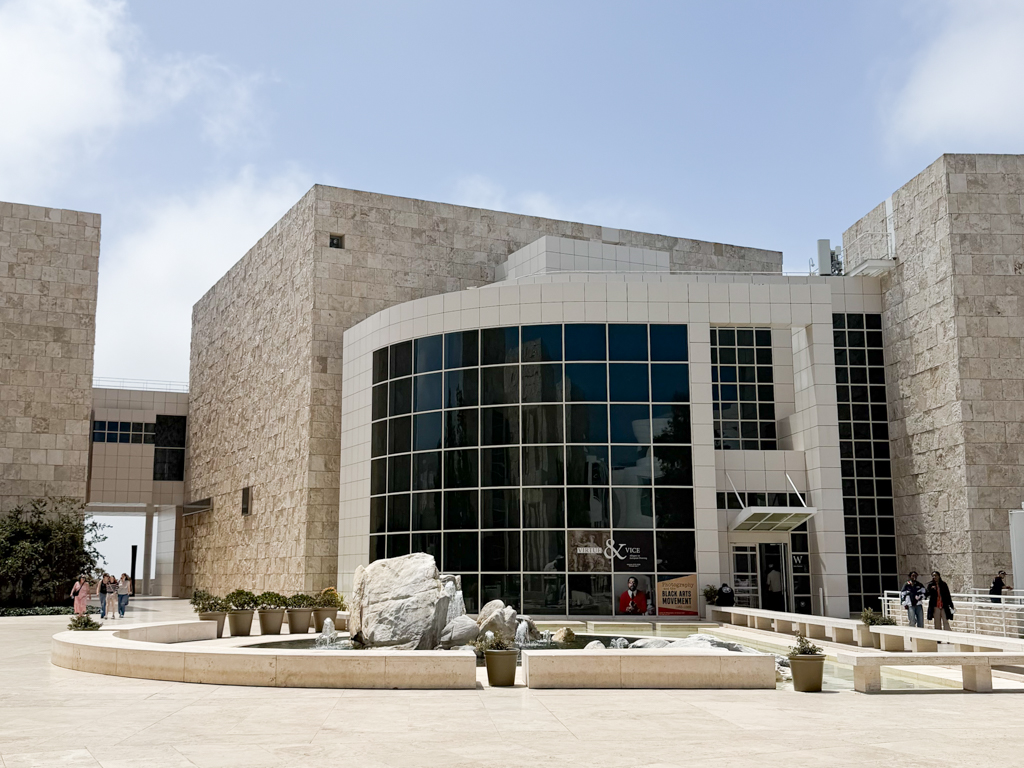
Growing up in Los Angeles, I'm no stranger to the Getty and its curated collections. But what I've come to appreciate most are the recent exhibits centered on what it means to be Black and exist in that Blackness in America. I loved attending the African American Art History Initiative: Celebrating Black Visual Culture at The Getty Museum, along with María Magdalena Campos-Pons: Behold (which I'd also seen at the Brooklyn Museum) and Dawoud Bey & Carrie Mae Weems: In Dialogue.
So I walked into Photography and the Black Arts Movement with my eyes and heart open, ready for whatever this art was going to change in me.
Reflection
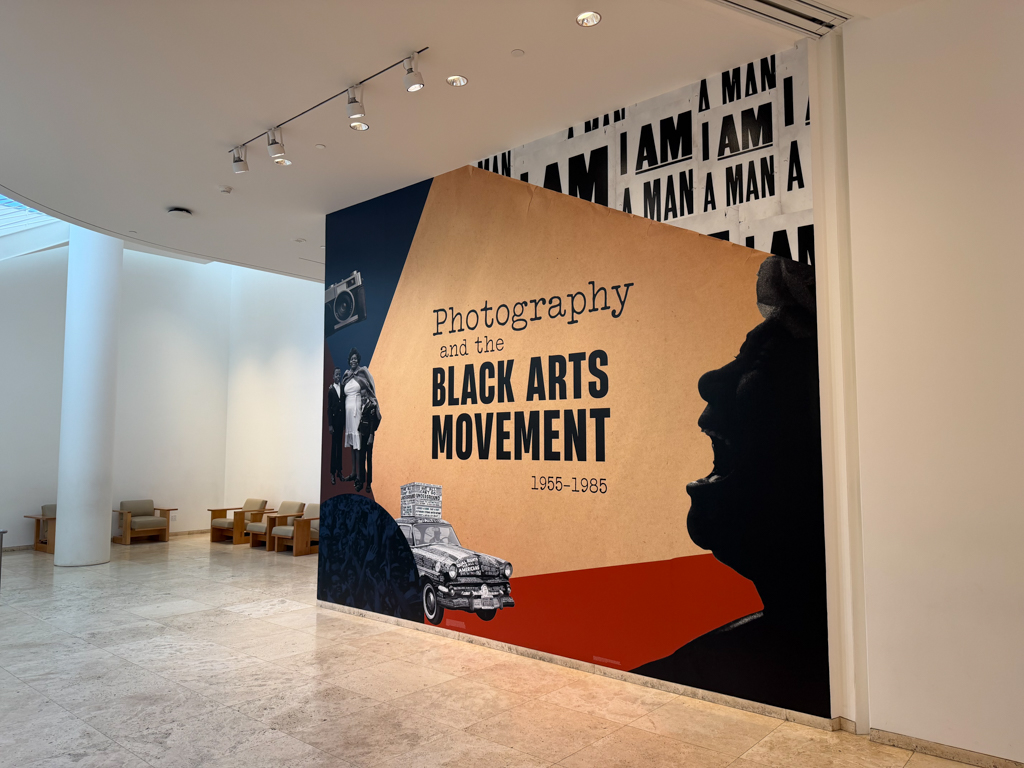
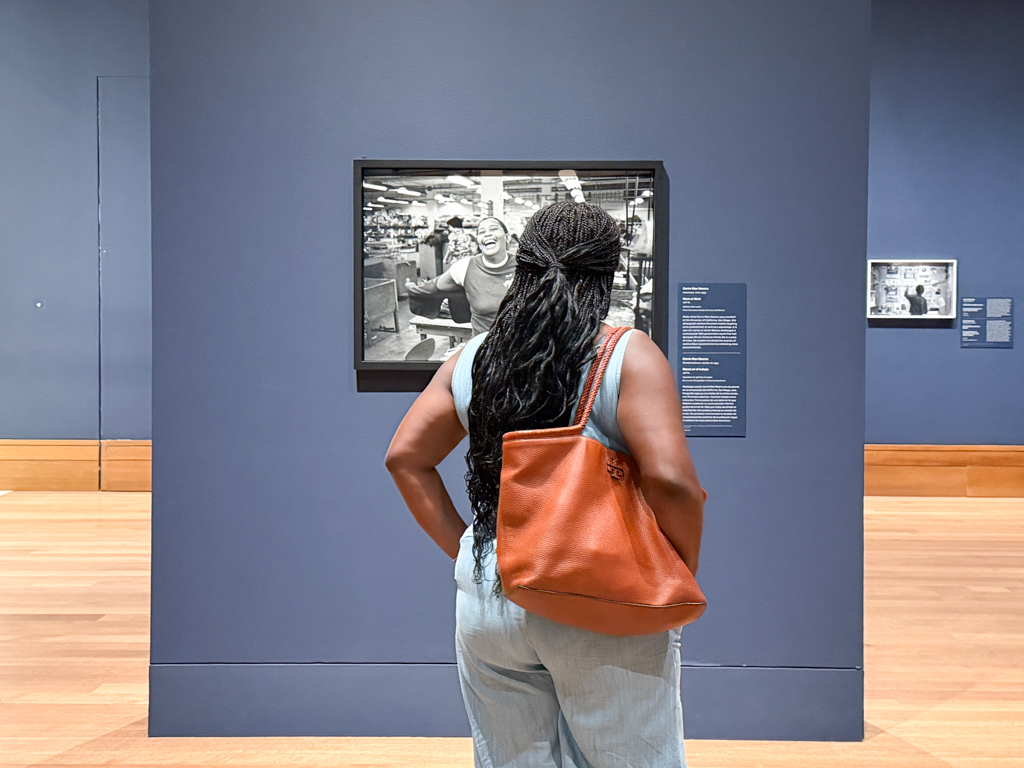
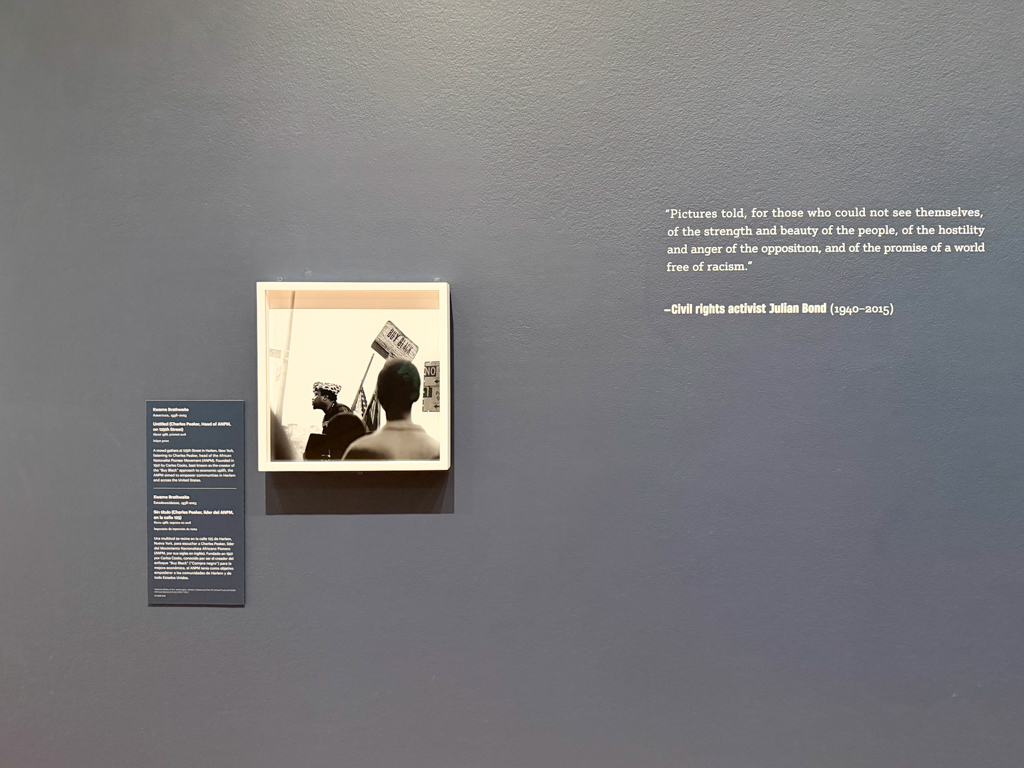
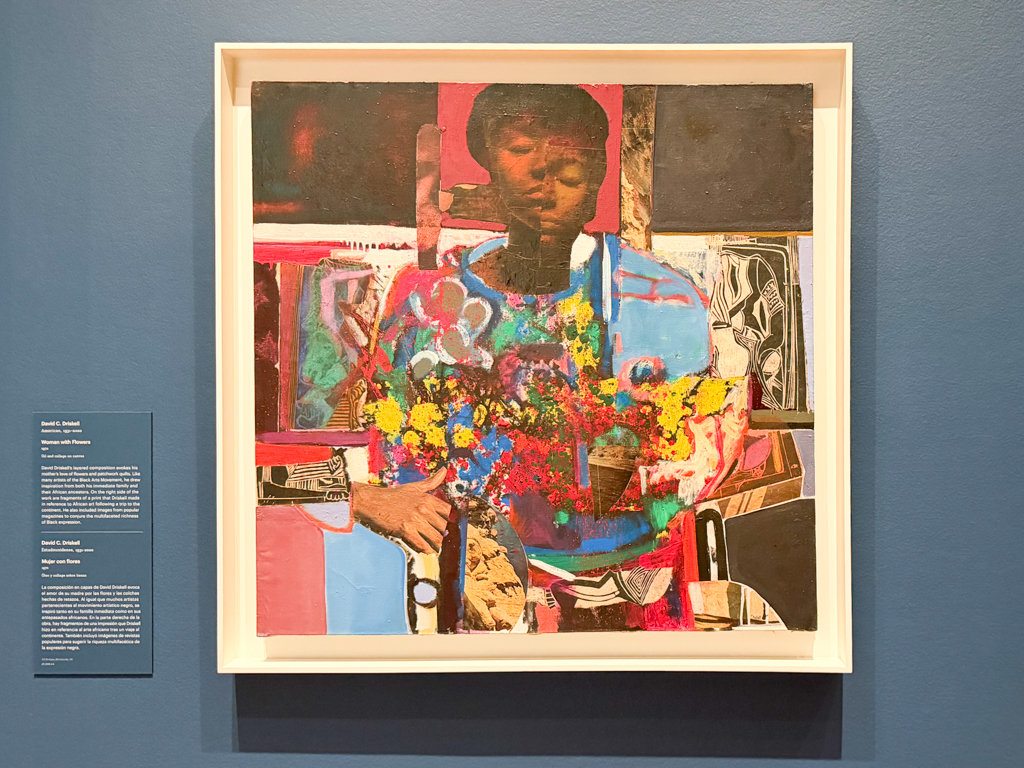
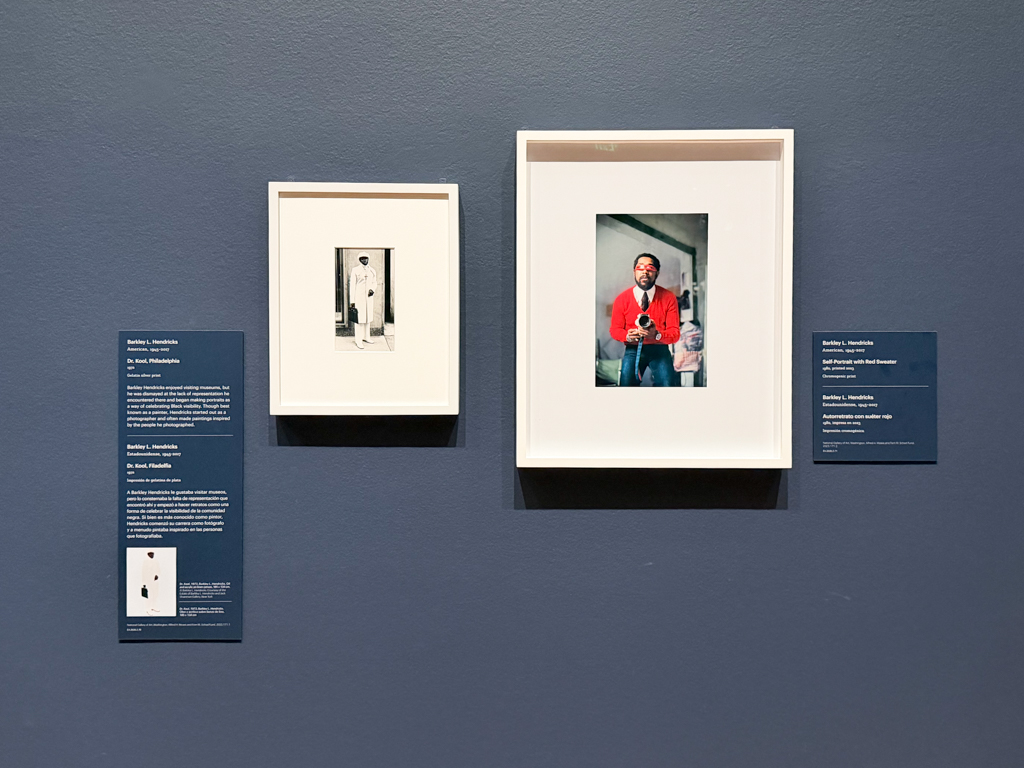
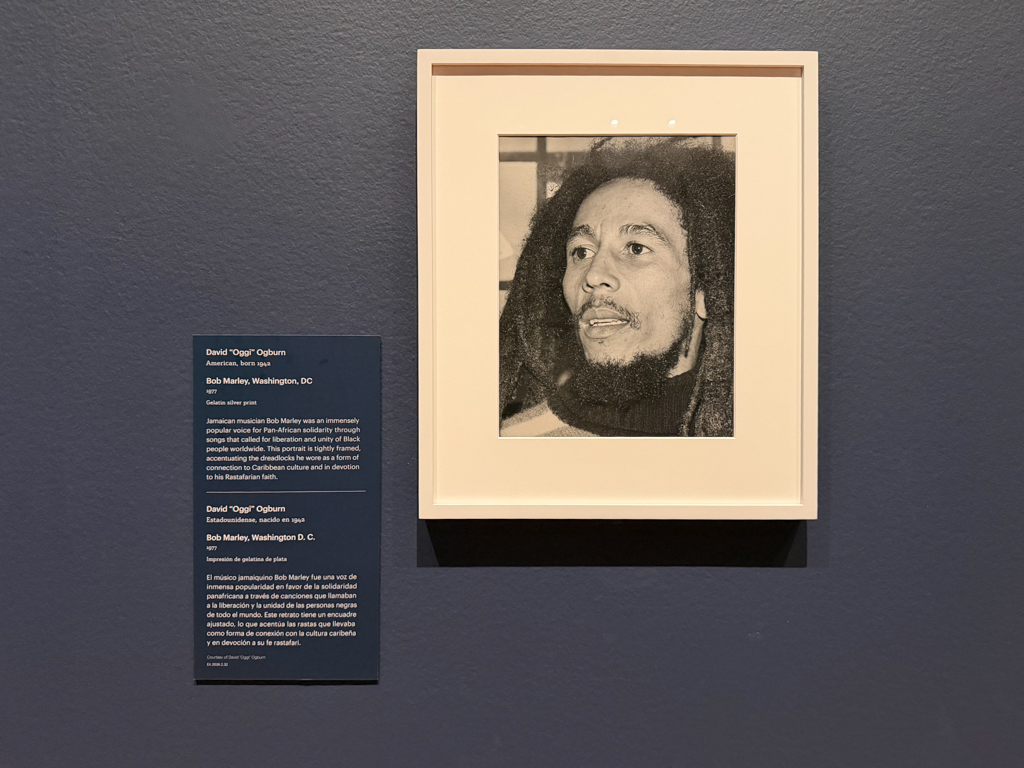
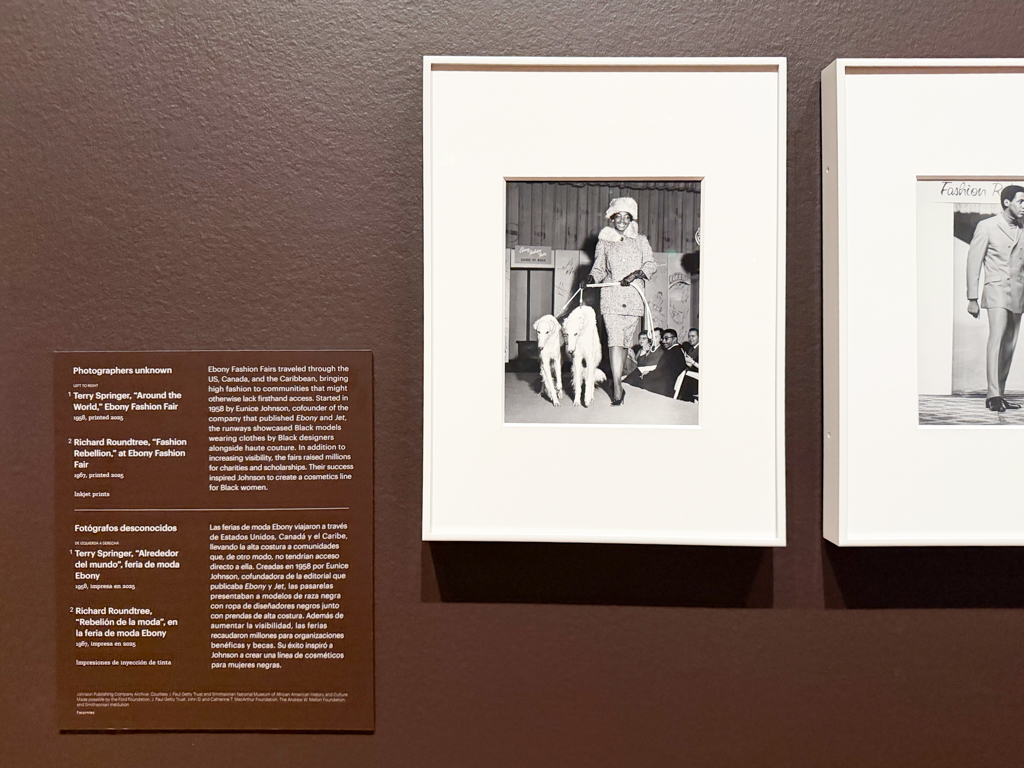
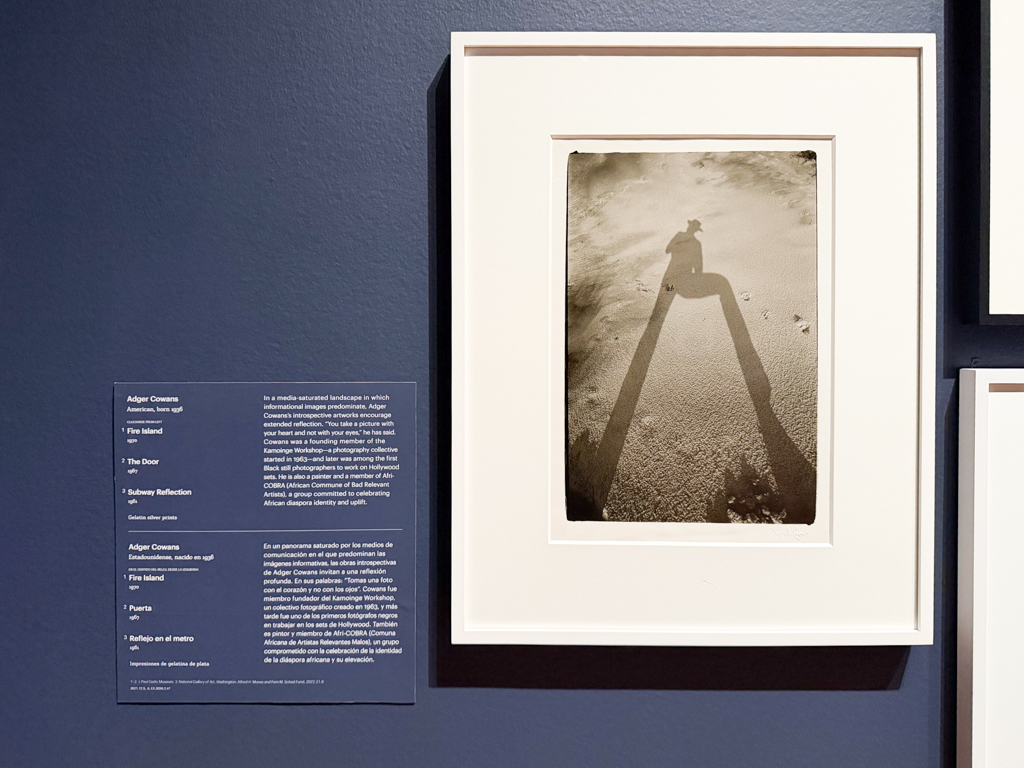
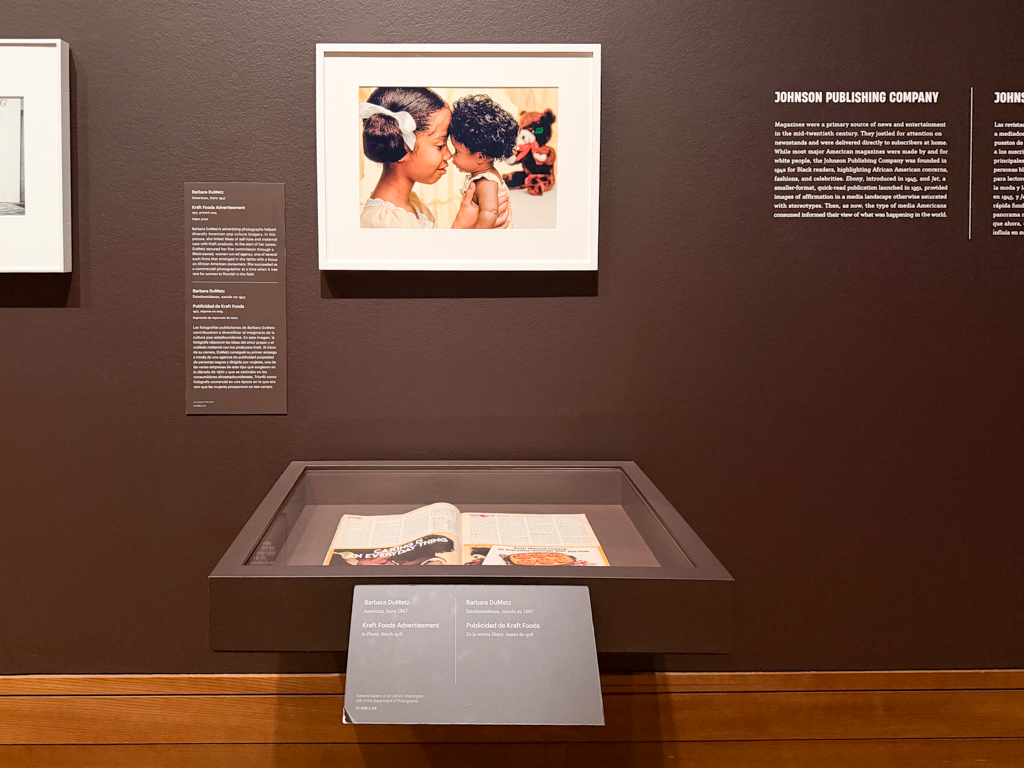
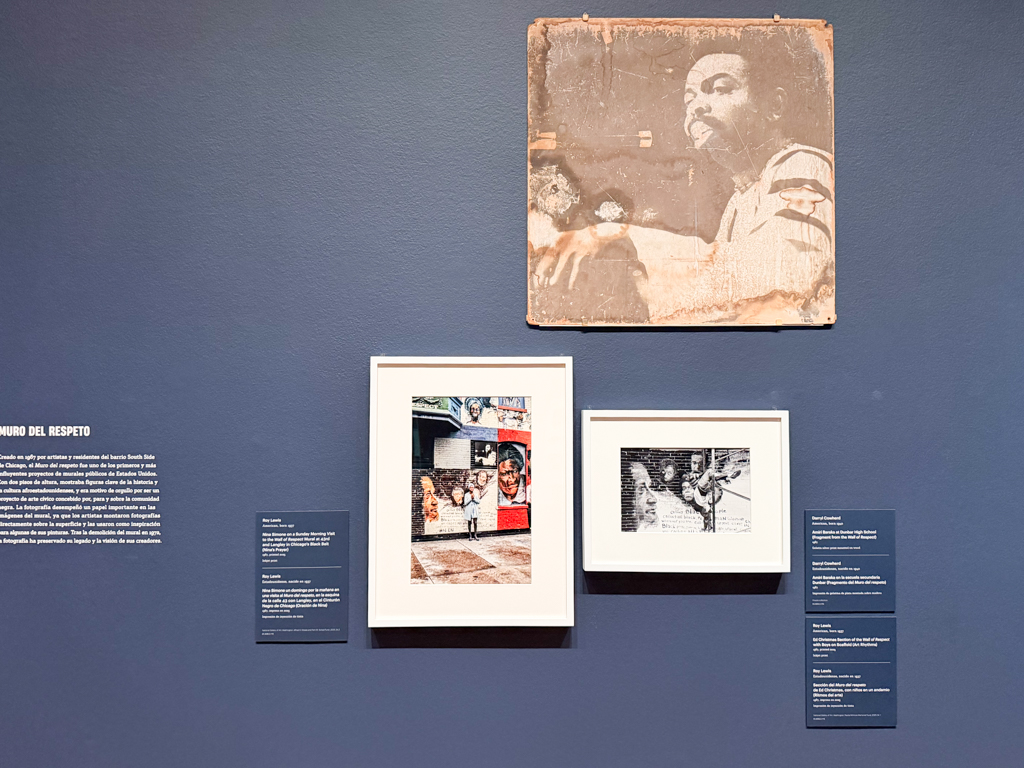
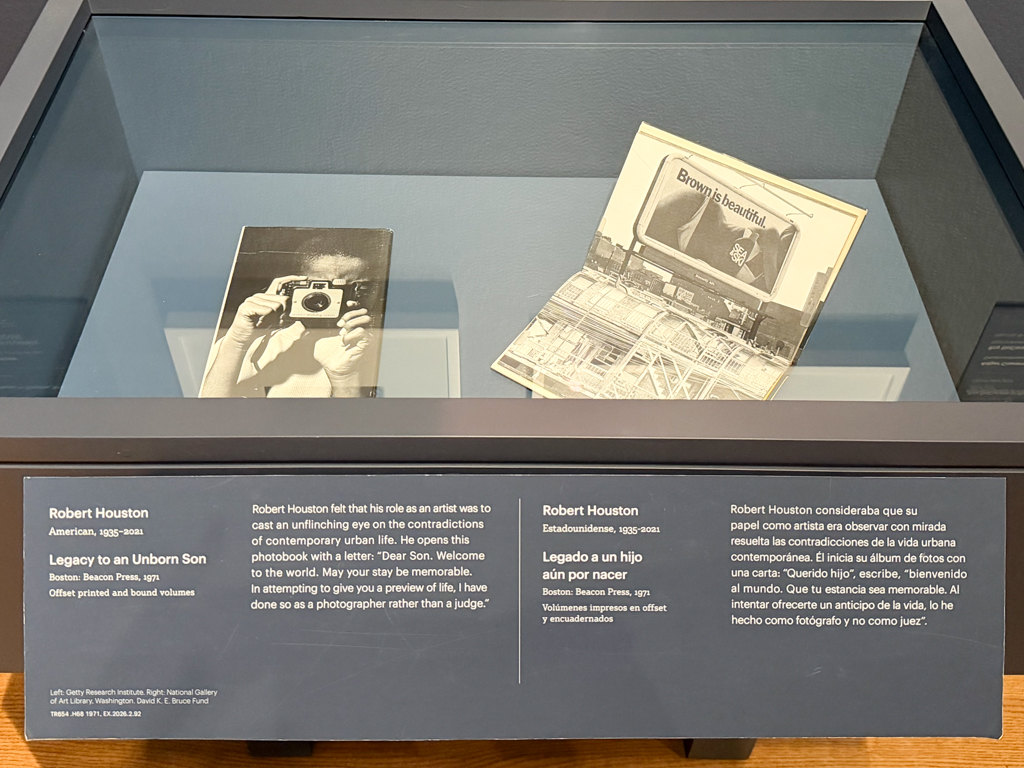
Black bodies. Black joy. Black pain. Black struggle to survive in a society that wanted to use them up for profit and discard them. Blackness moving through the world and thriving anyway. Black rebellion in the face of oppression.
I kept thinking about my parents, born in the 1940s, who lived through the images standing in front of me in 2026. Seeing the raw power of the civil rights movement laid bare like that, next to how casually the act of voting is treated now, hit differently.
The Black diaspora.
Finding space to exist.
Taking up that space and finding joy.
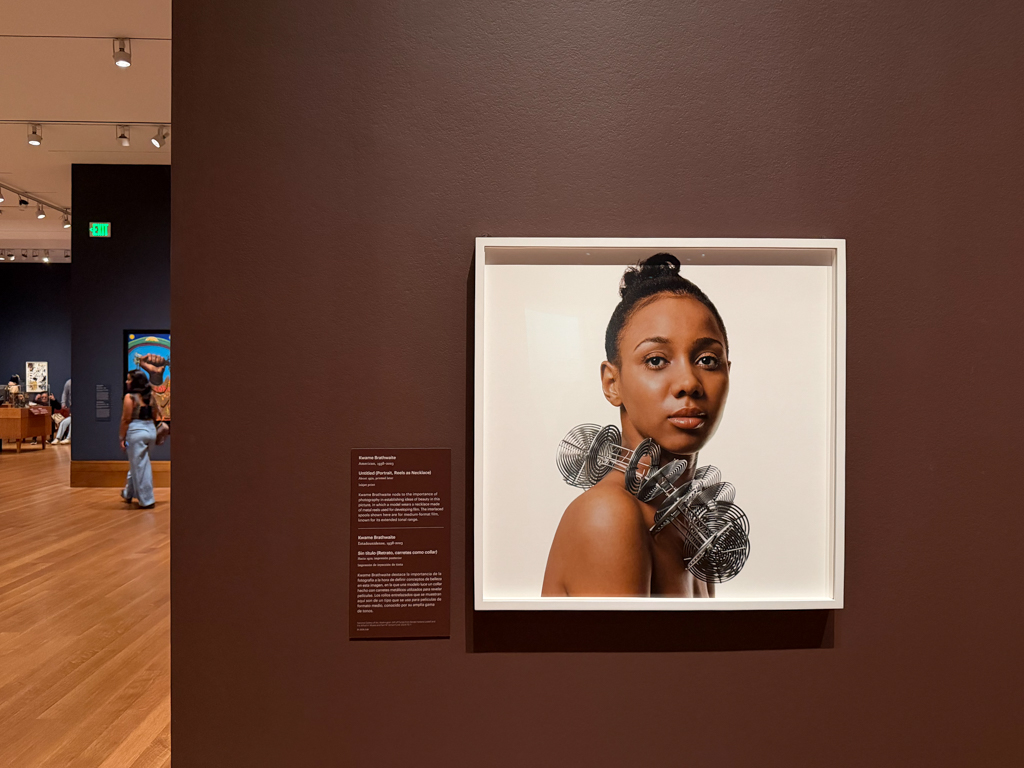
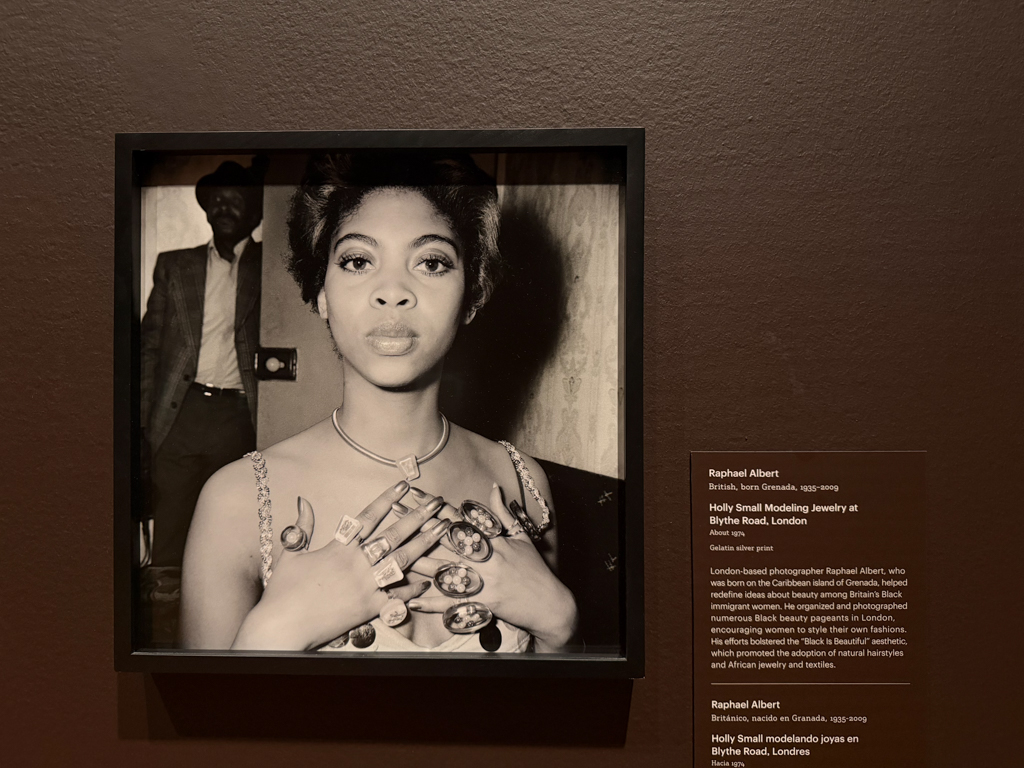
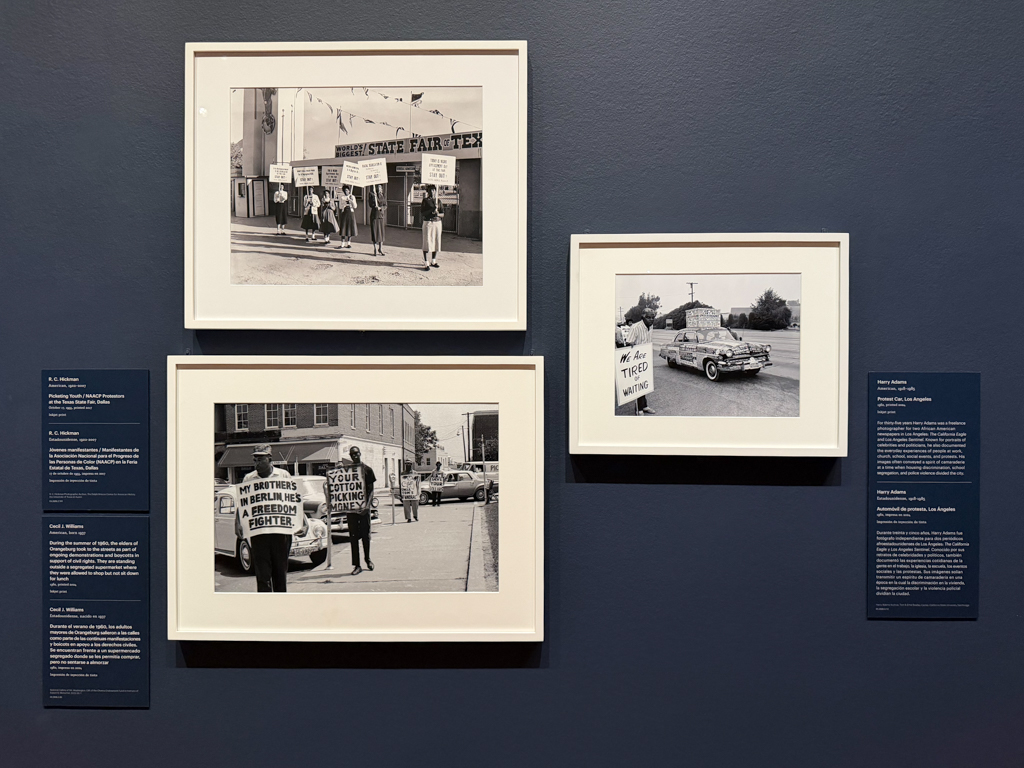
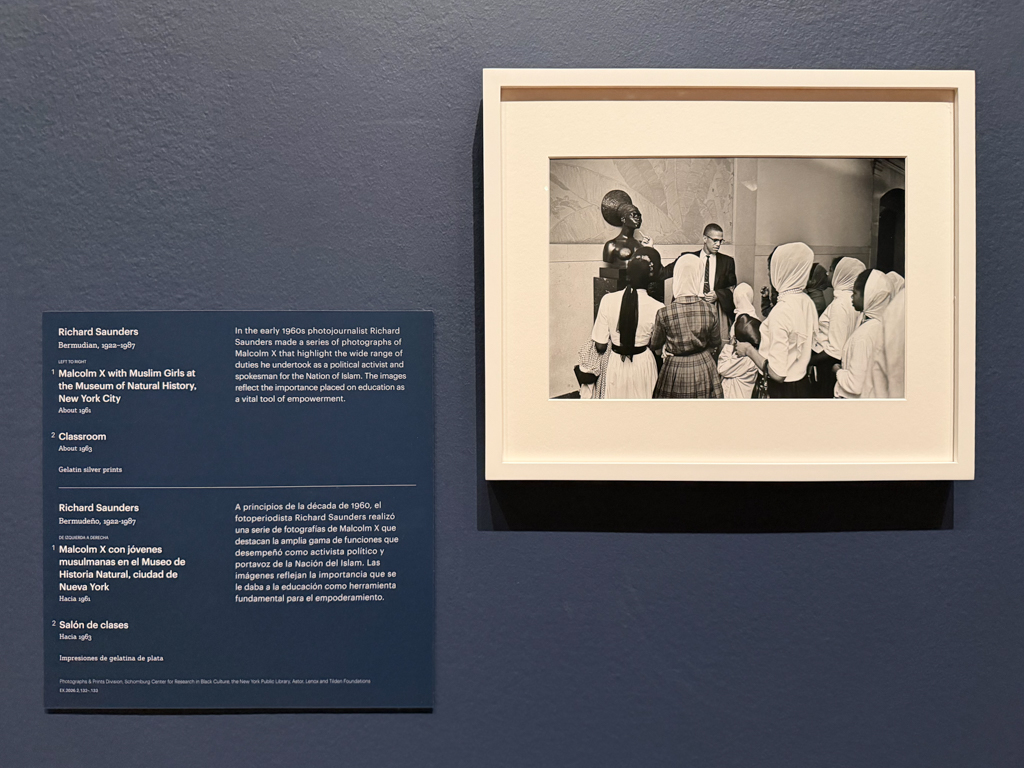
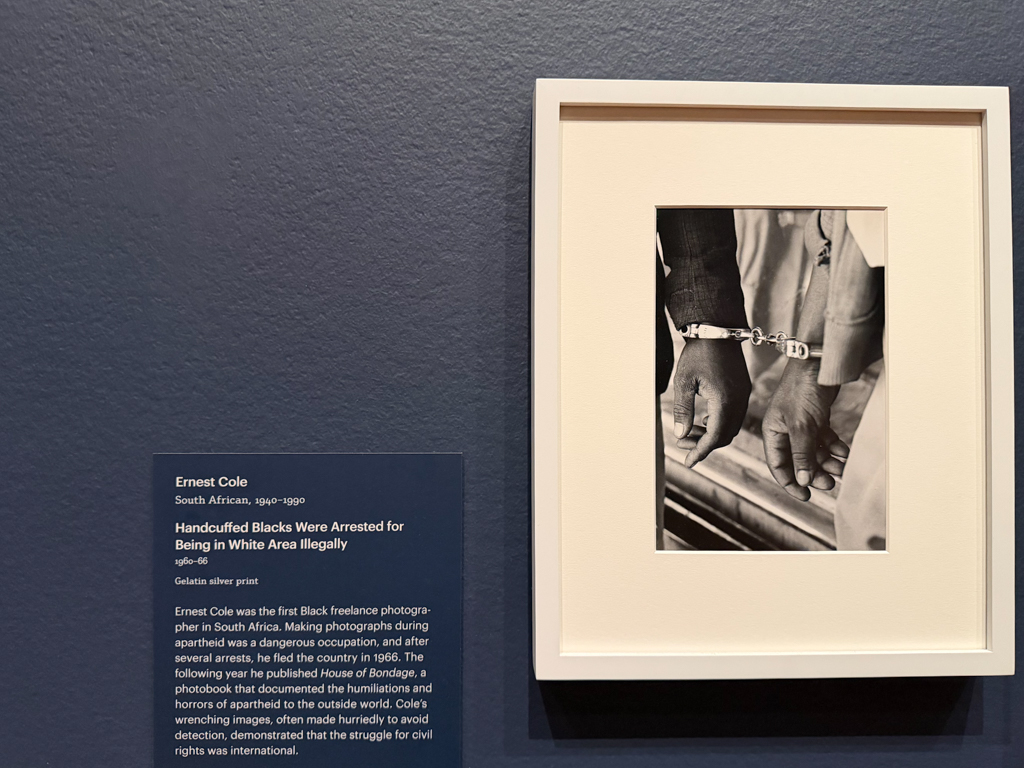
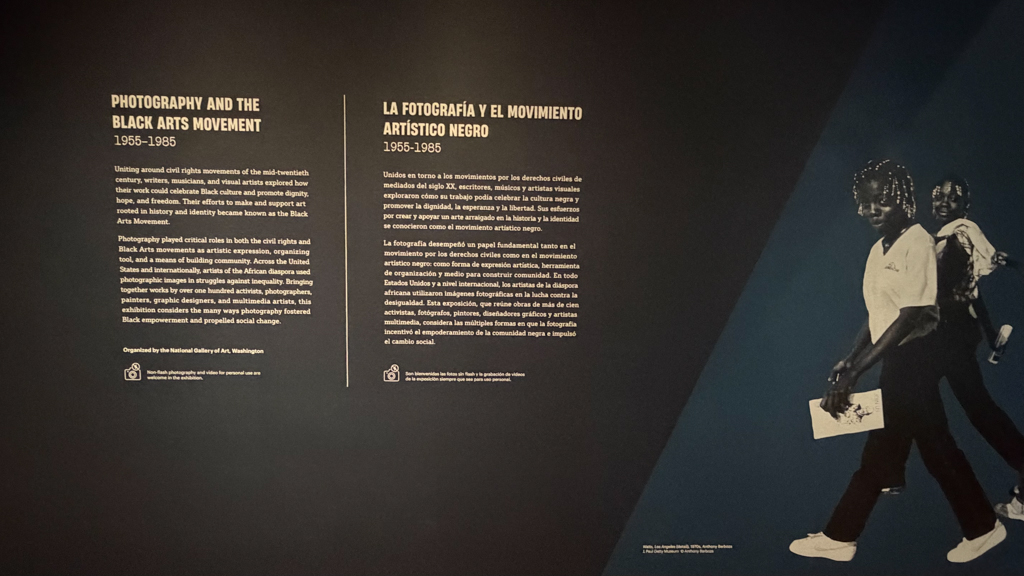
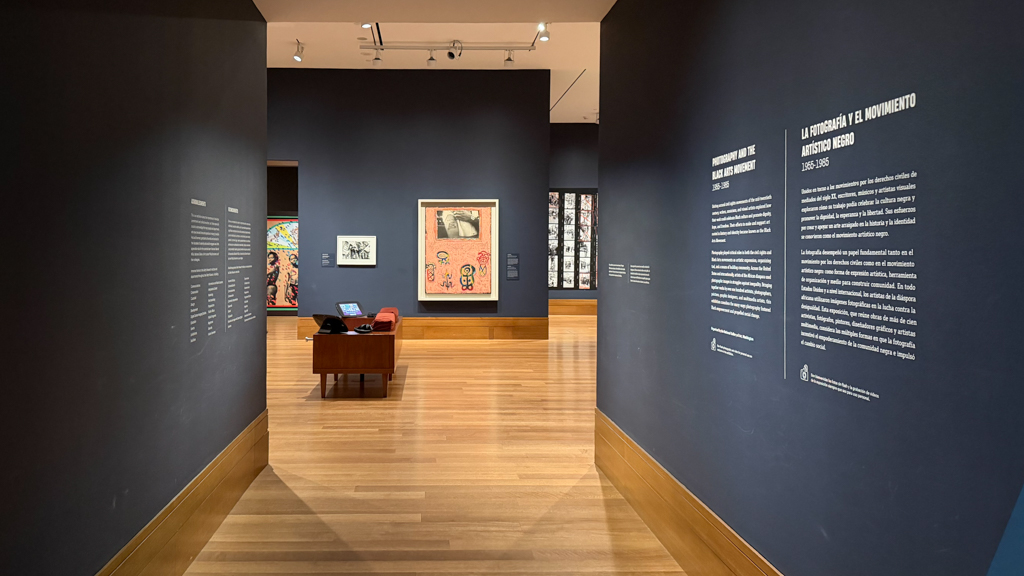
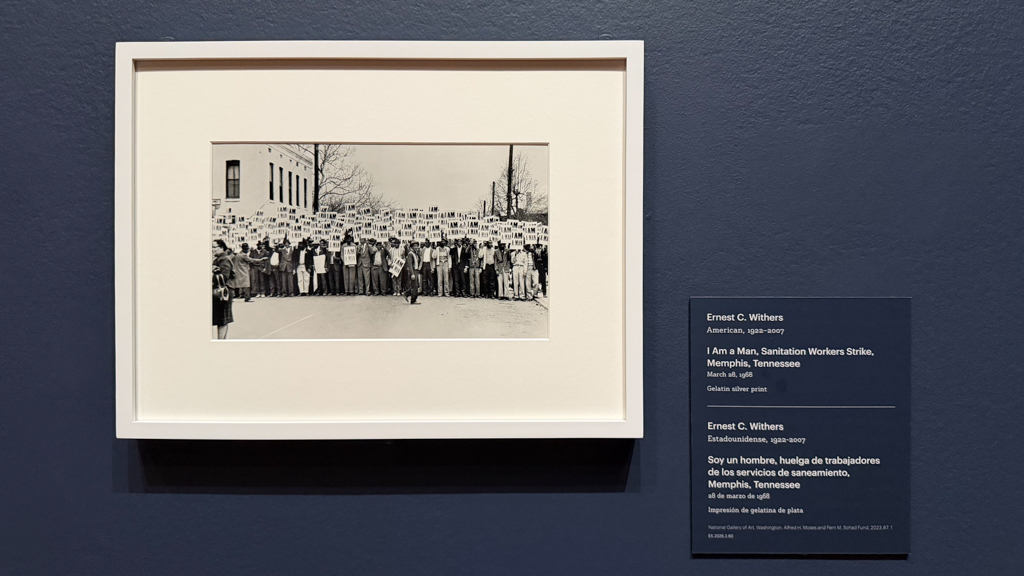
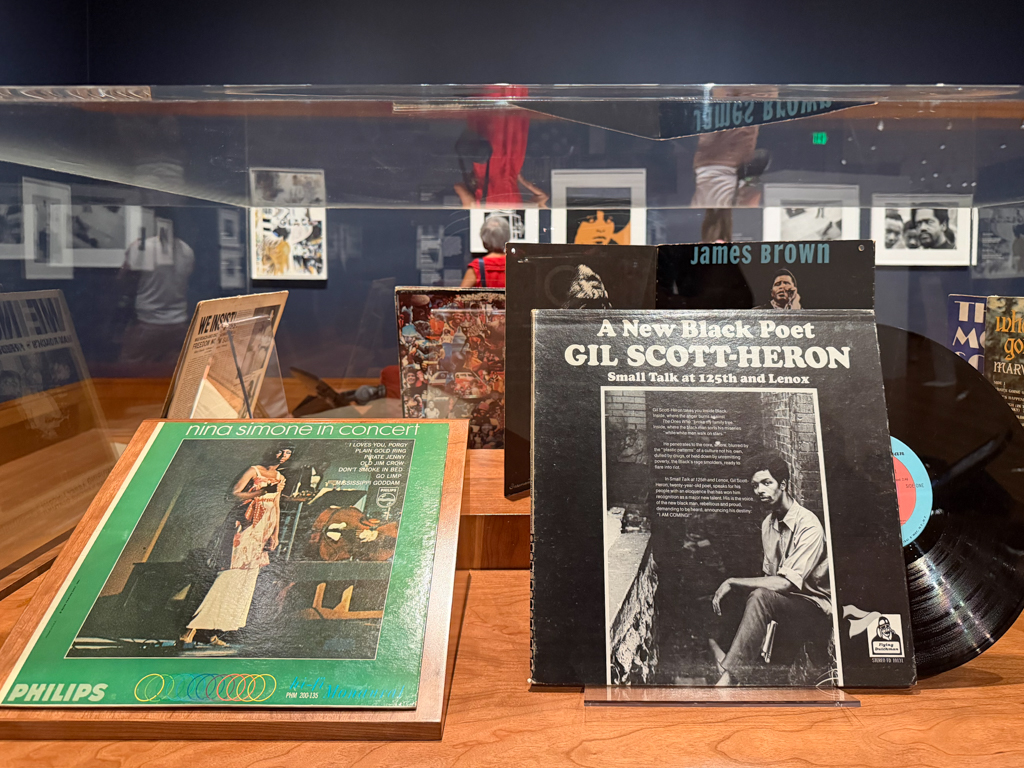
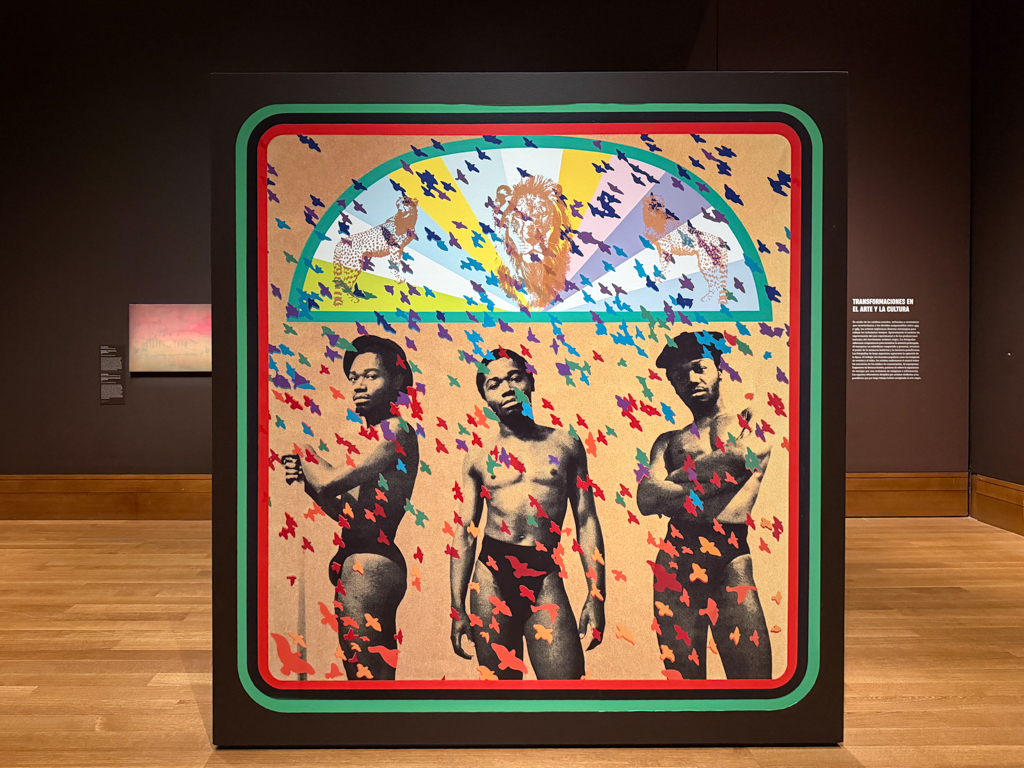
Looking at these photographs, moments masterfully captured in time, I thought about my own role as an artist. About running Bespoke Art Society markets and platforming other artists. About being a writer, a Black woman, moving through this world, in this space and time.
Amber and I drifted through the exhibit speaking in hushed tones, each of us quietly being rearranged by it in our own way.
Later, my friend Keisha, who works in academic administration at the Getty, told me this was one of her favorite exhibits in recent memory.
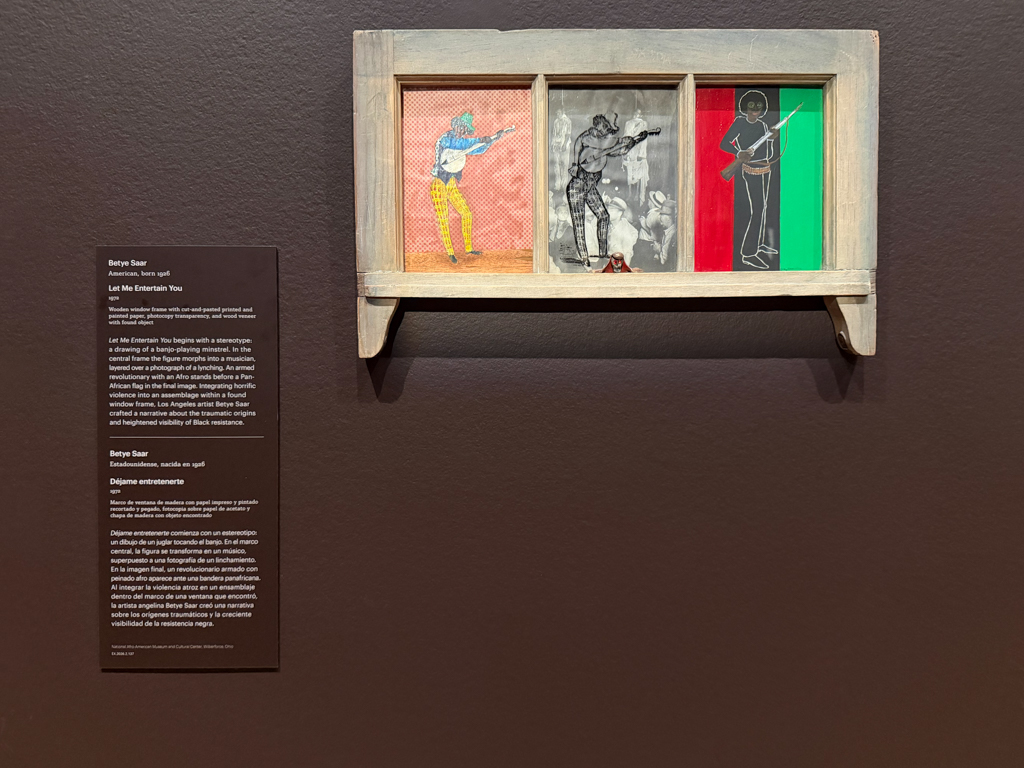
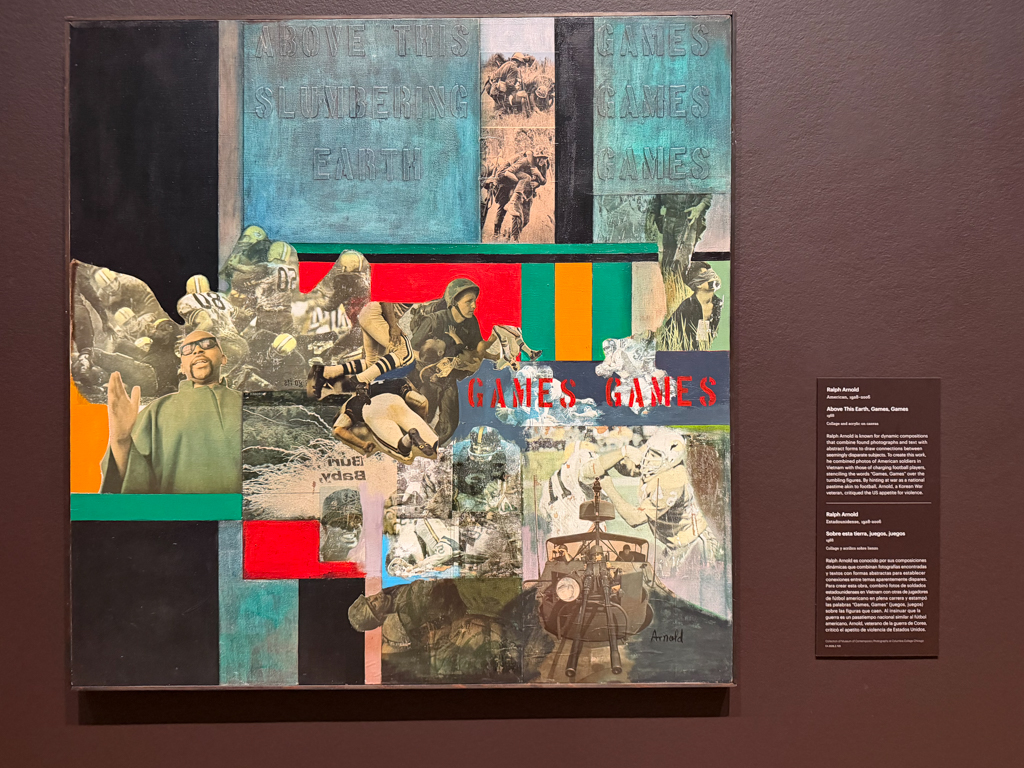
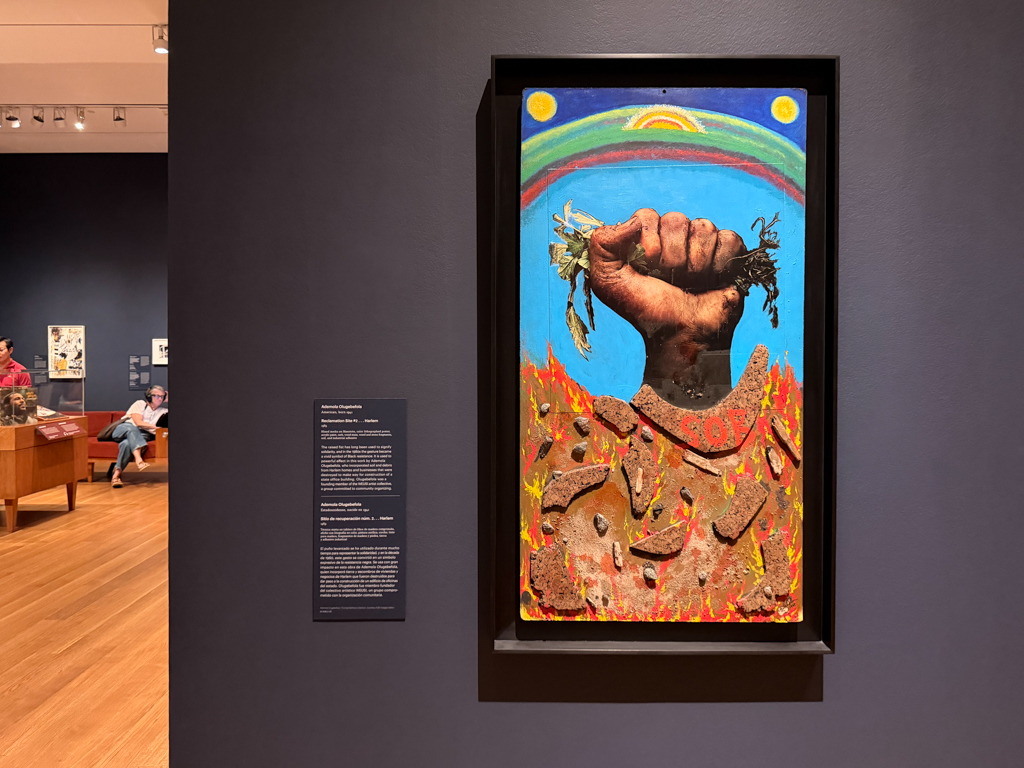
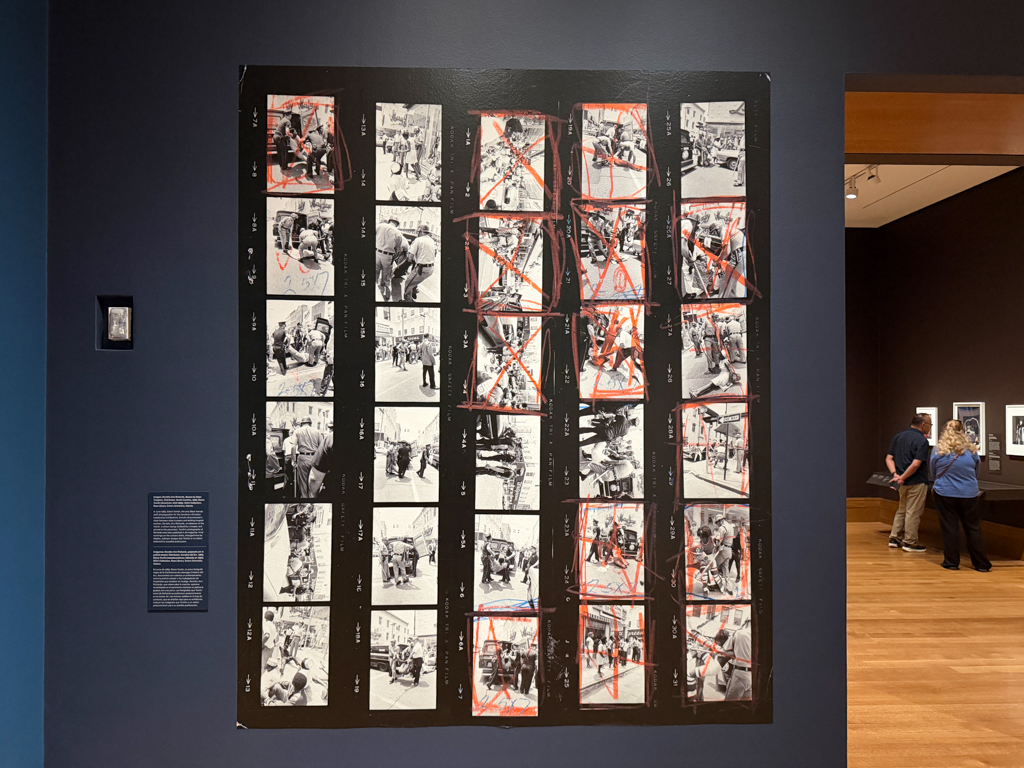
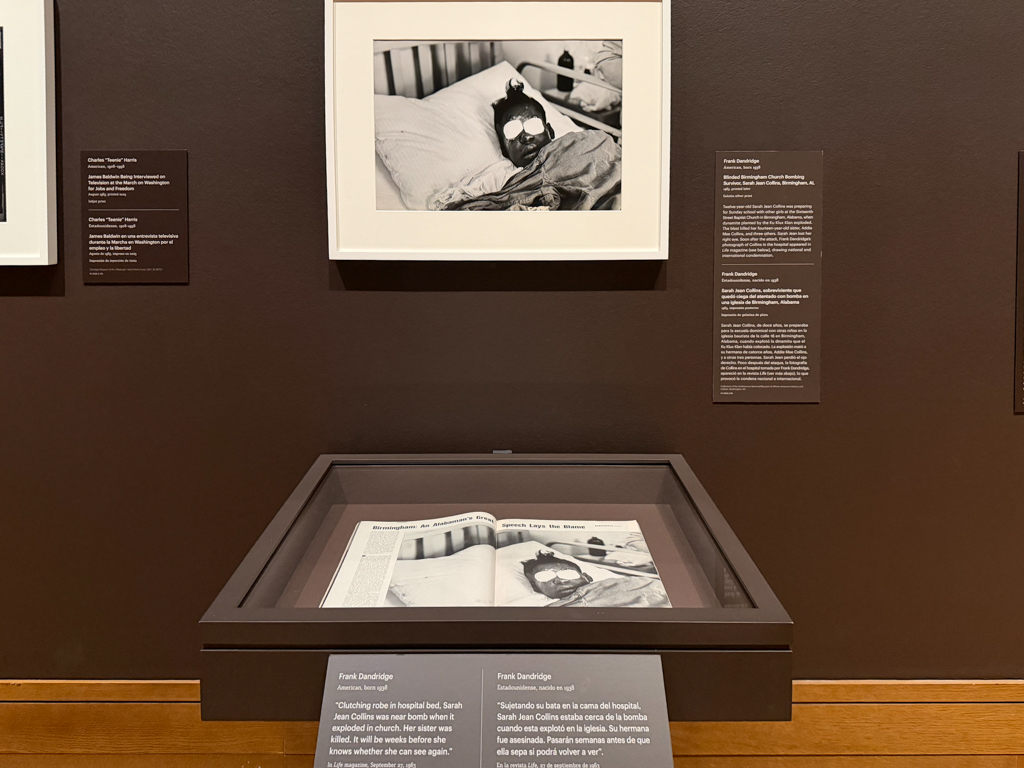
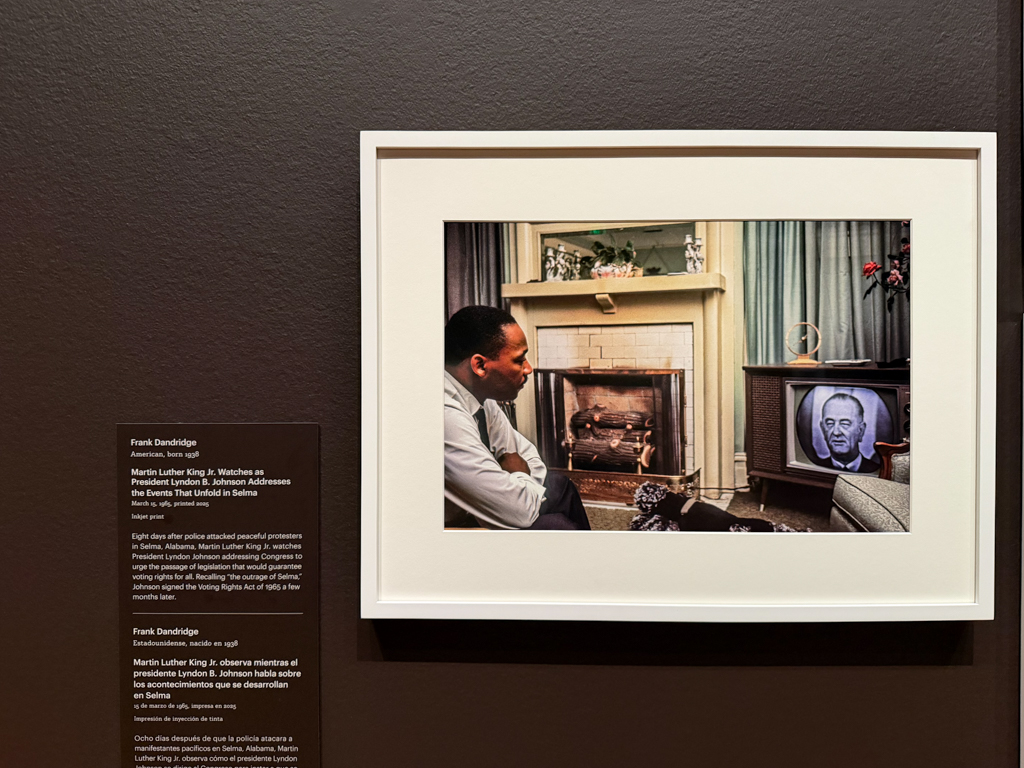
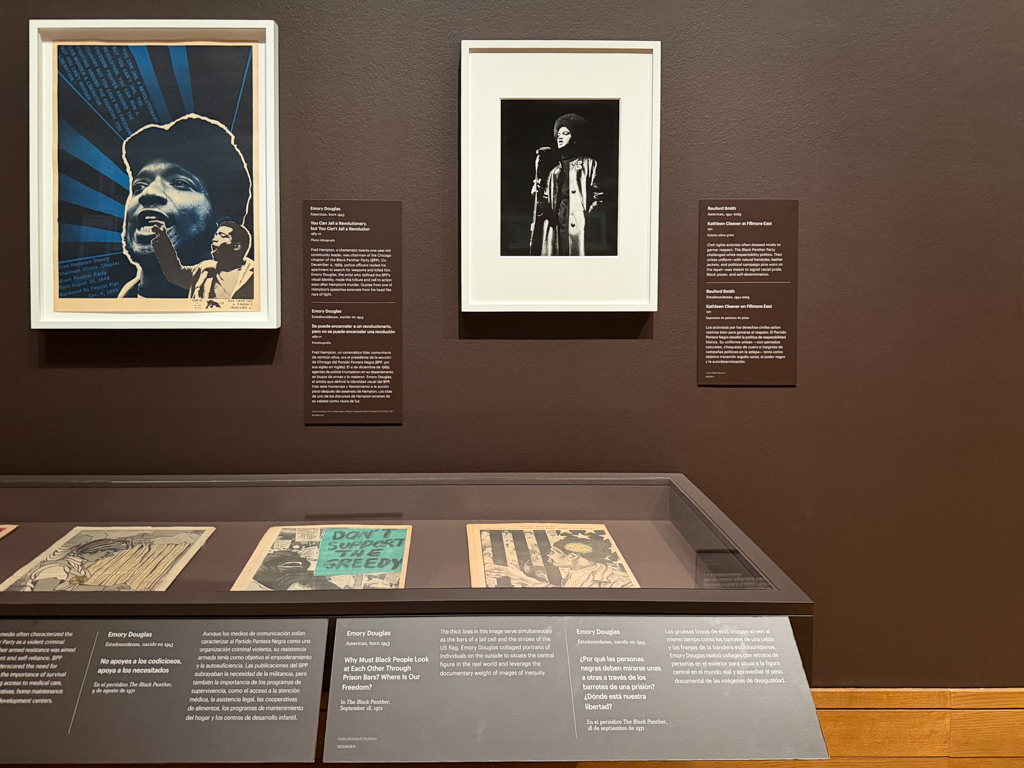
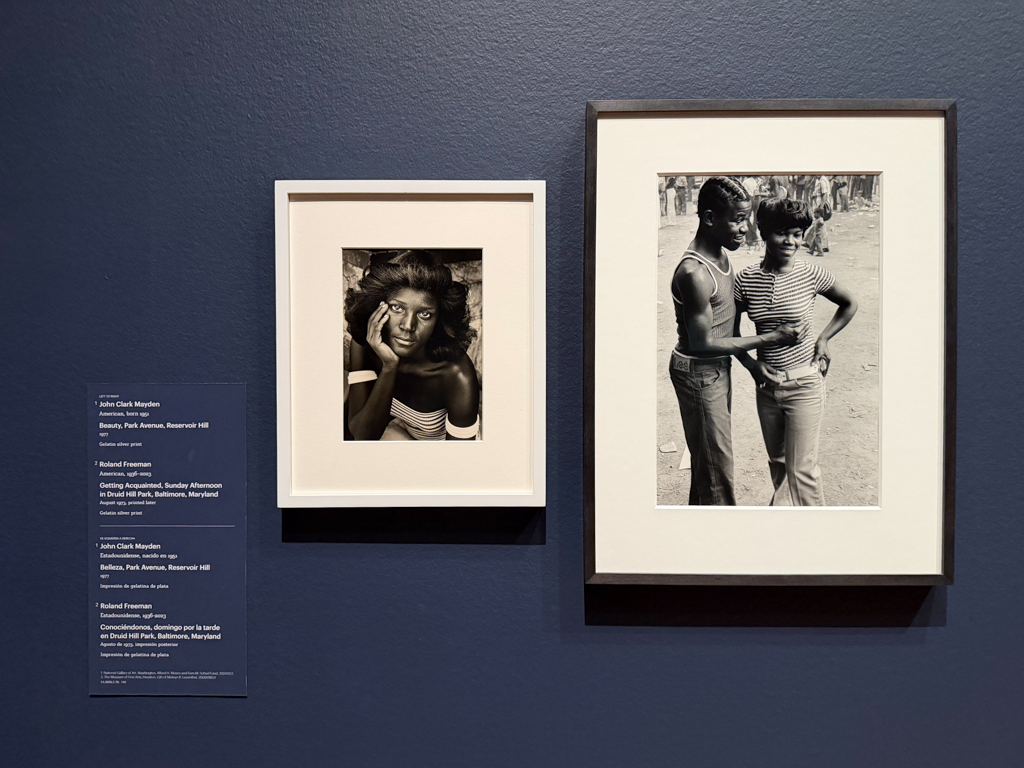
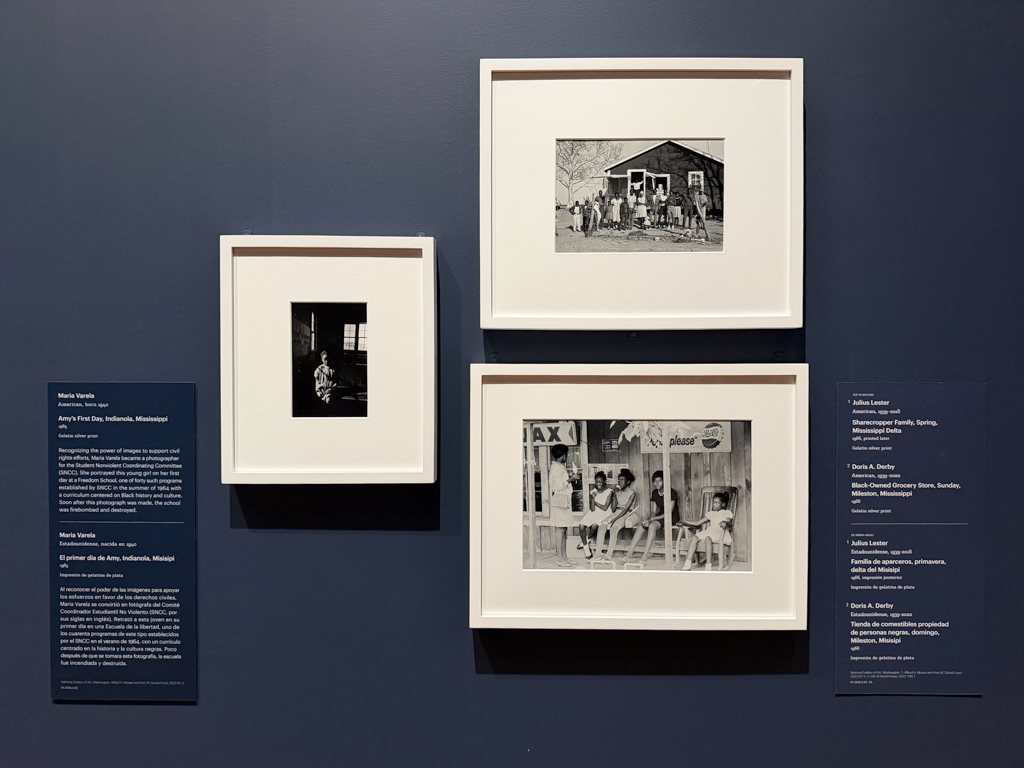
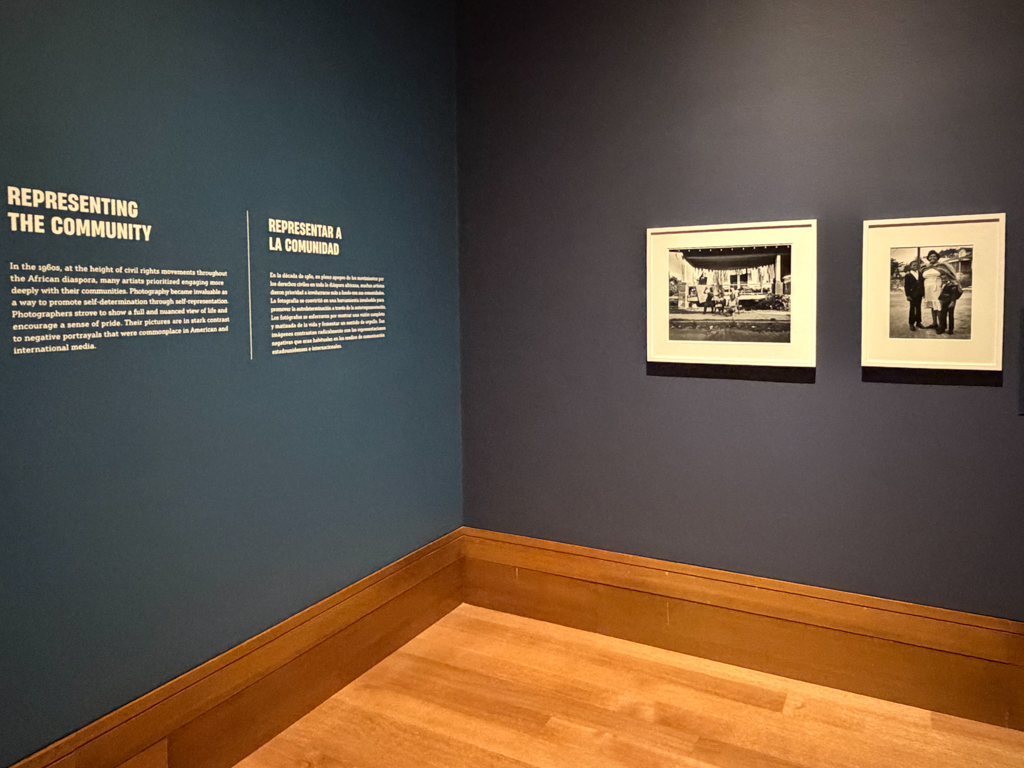
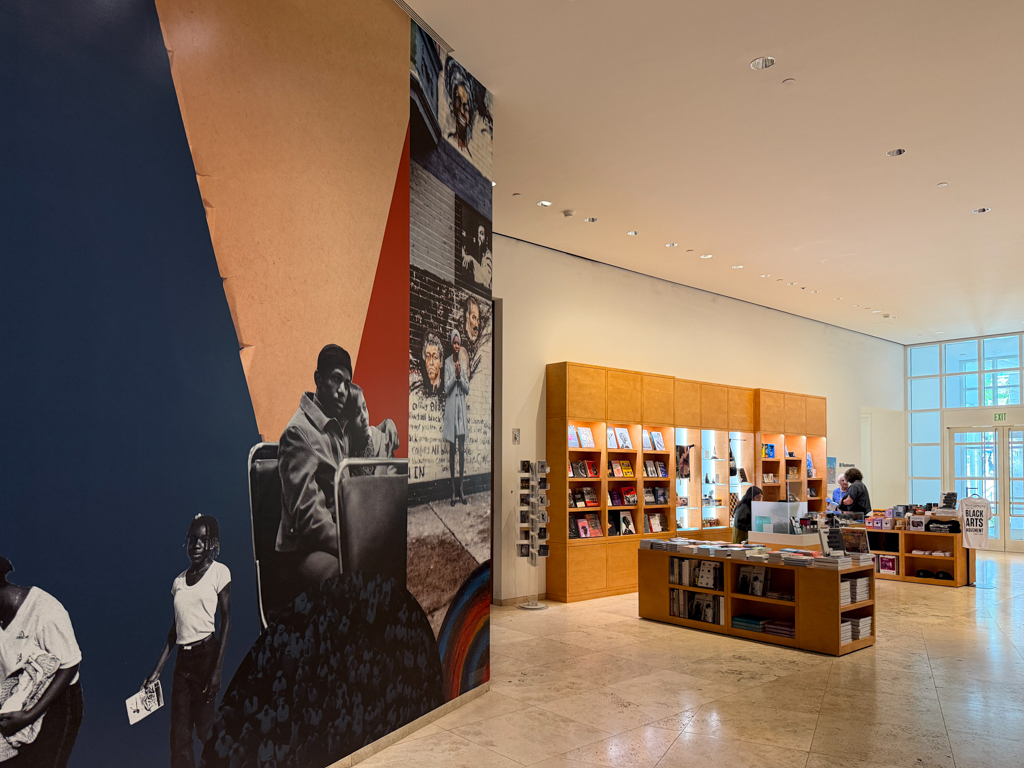
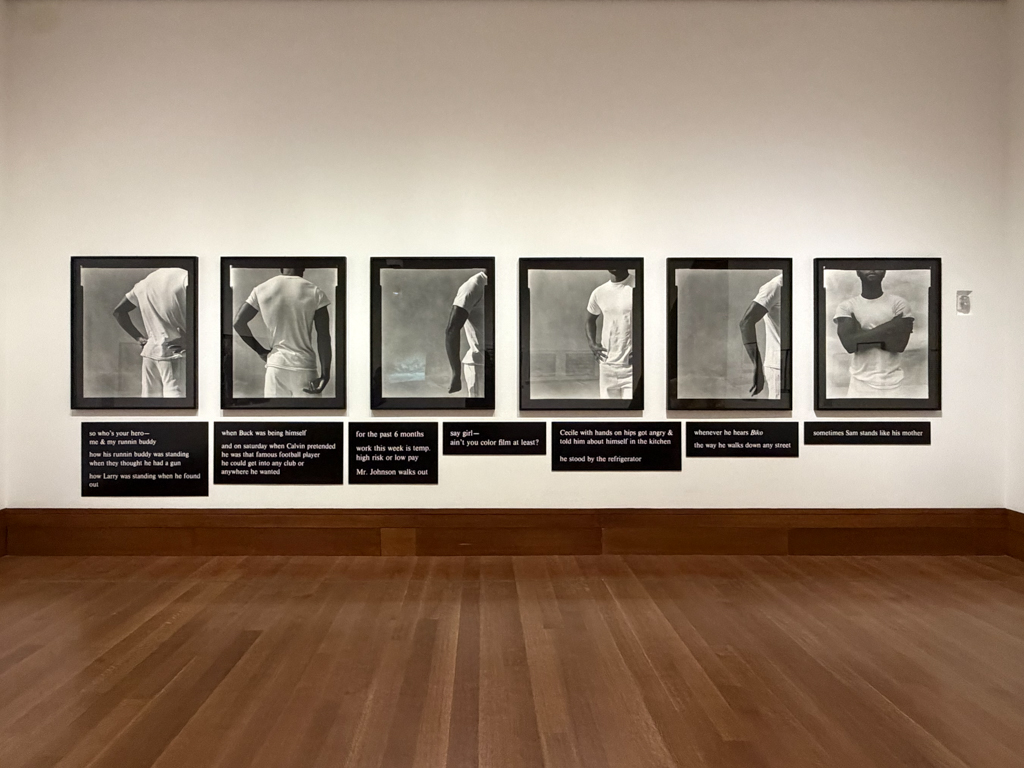
The power of Blackness is thunderous.
No wonder there are systems built to tear it apart, demean it, devalue it – even from within the community. The commentary around Megan the Stallion and her ex. How who did what is a systematic discussion that is meant to demean and debase the female. The sexism. The colorism. The utter bullshit of fellow Blacks who don’t bother voting now – while I stared at images of the past – people who were literally lynched for their desire to vote and be considered equal in America.
Juxtaposed, the cooning that I see people do on podcasts and media now. The performative shucking and jiving for an audience that is never going to respect them. The idea that if they make themselves – their Blackness smaller and more White American Like, they will be “accepted.”
That’s not how I stand. That’s not the representative that I want to be of myself, in my Blackness today. That’s not how my parents raised me. Nor, is it how I carry myself in this world.
At the Getty, I was reminded of the true spirit of my ancestors. Their joy in the face of oppressive circumstances. Their believe that – even if they weren’t alive to see it – that someday, their words, actions and deeds would benefit others that came after then – in ways they could not imagine.
This exhibit reminded me of my Blackness, and how fucking proud I am to be a Black female artist and writer.
Because of what they did.
I am.
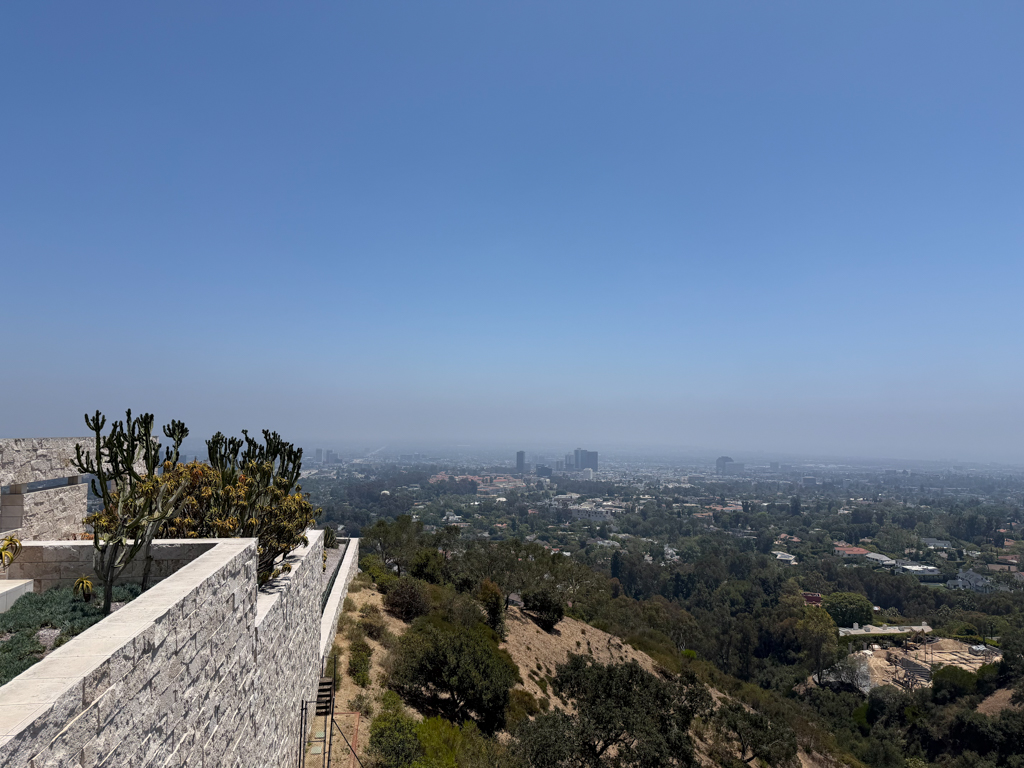
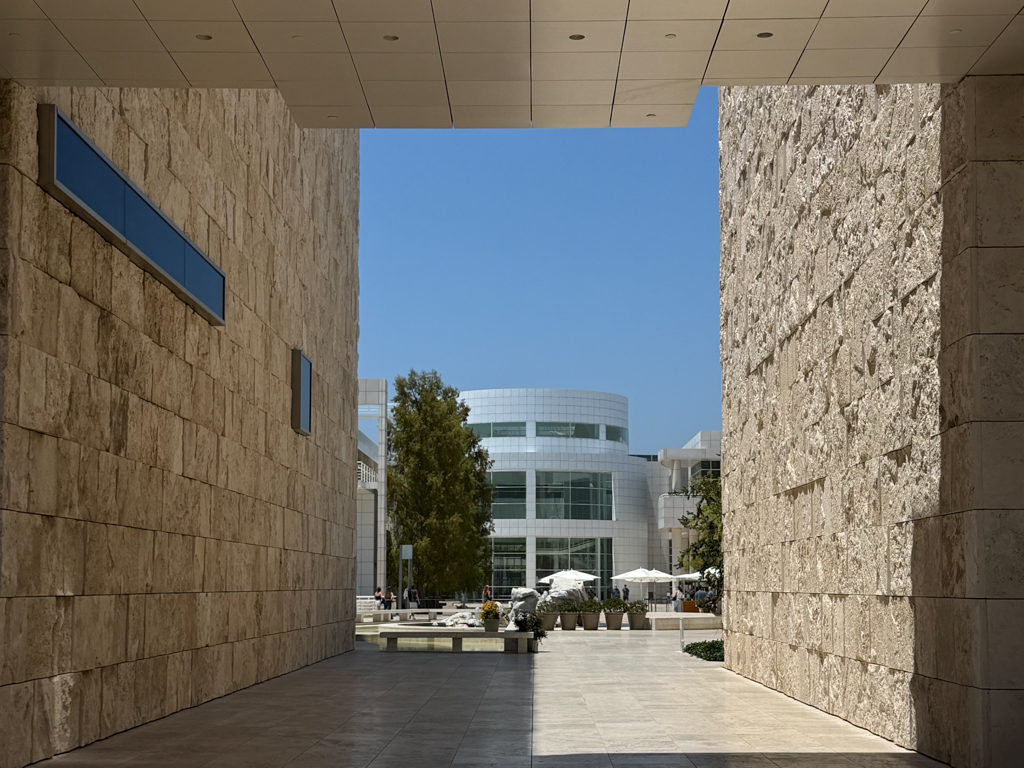
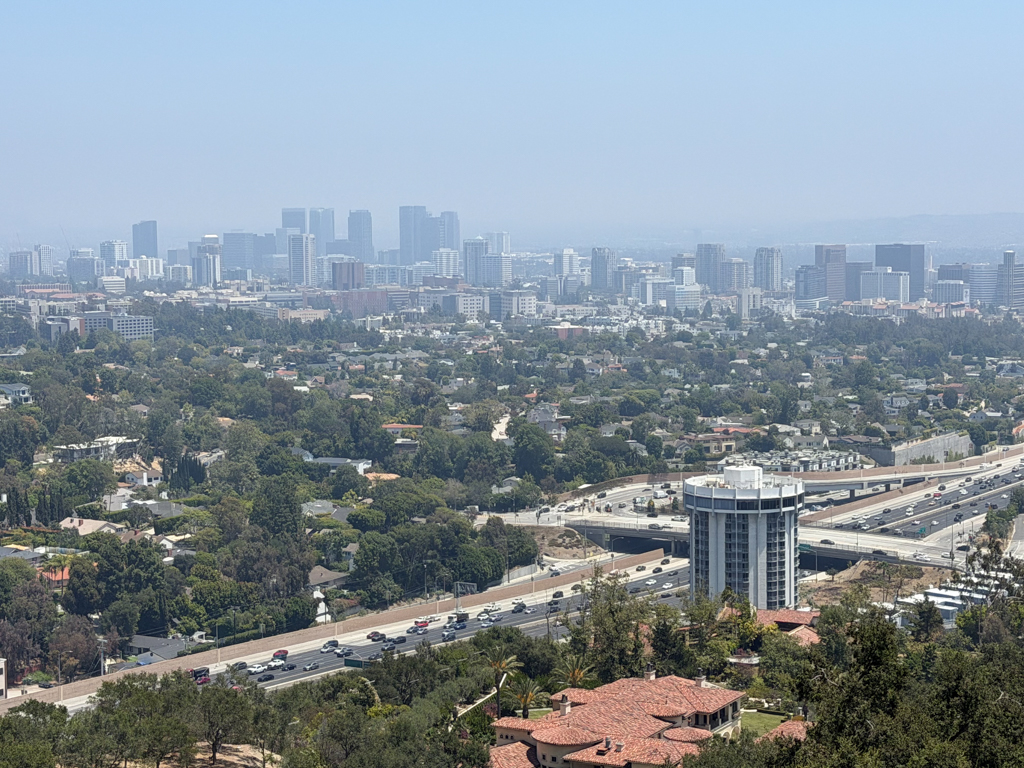
The Getty Museum
1200 Getty Center DriveLos Angeles, California 90049