
As we continued our route toward Marrakesh, the day unfolded into a series of stops that highlighted Morocco’s creativity, history, and local craftsmanship. From stepping onto film sets in the desert to exploring ancient ksars and meeting women preserving traditional skills, each visit added a different dimension to our understanding of the country.
Atlas Film Studios
Atlas Studios in Ouarzazate, often called the “Hollywood of Africa,” turned out to be one of the most unexpected highlights of the trip.
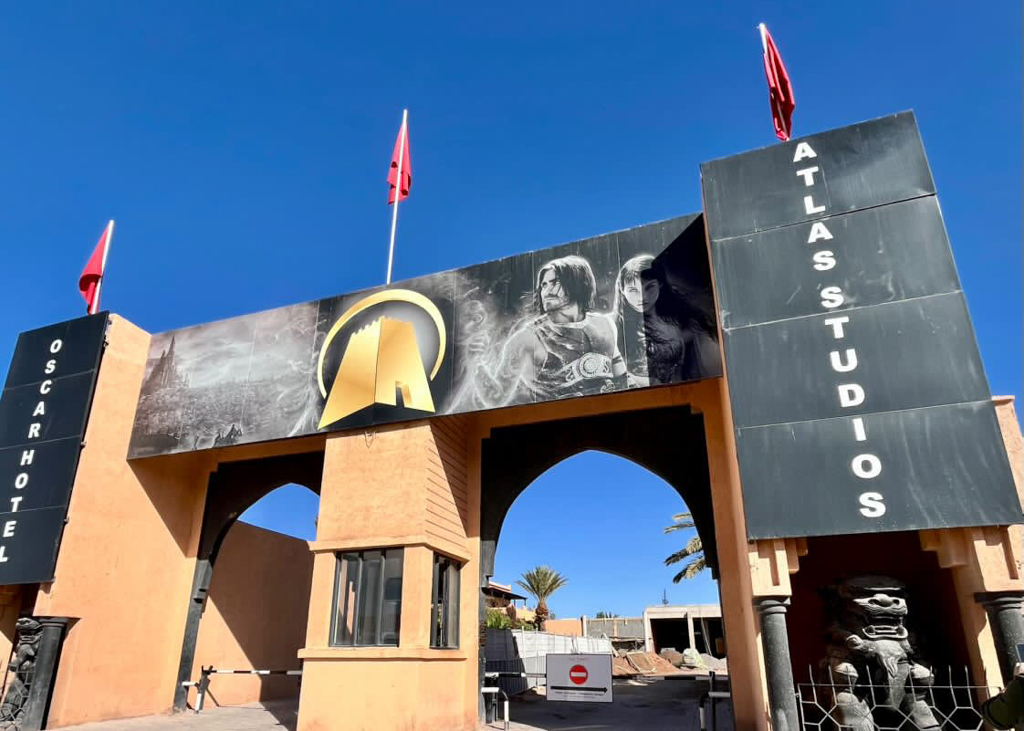
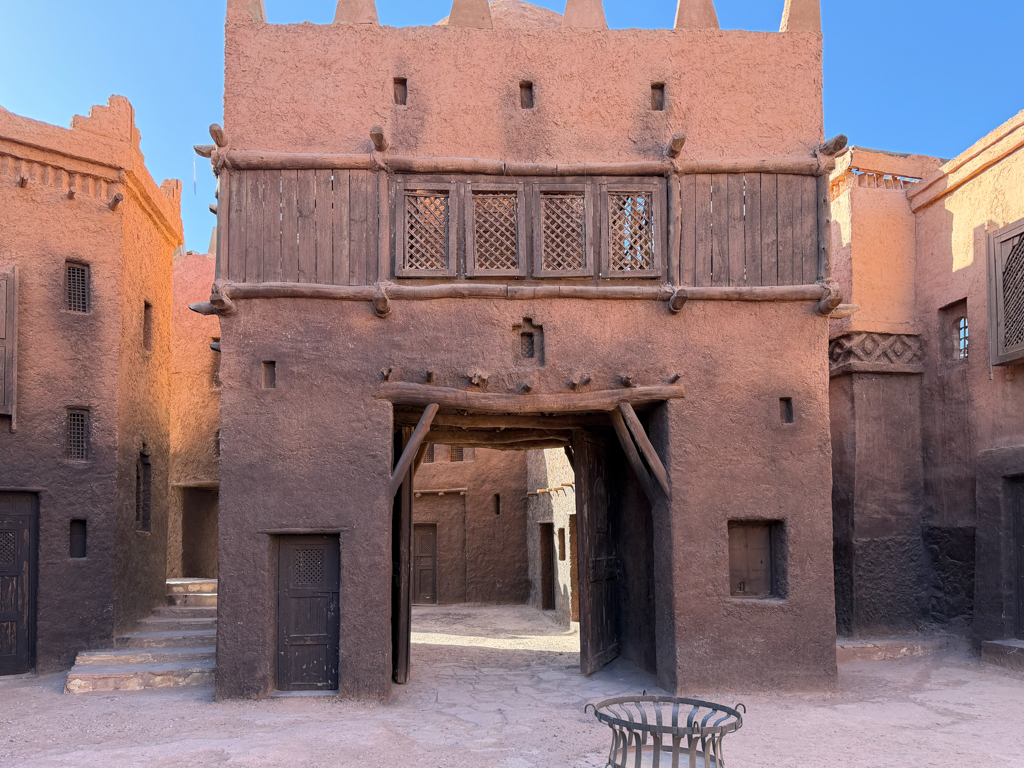
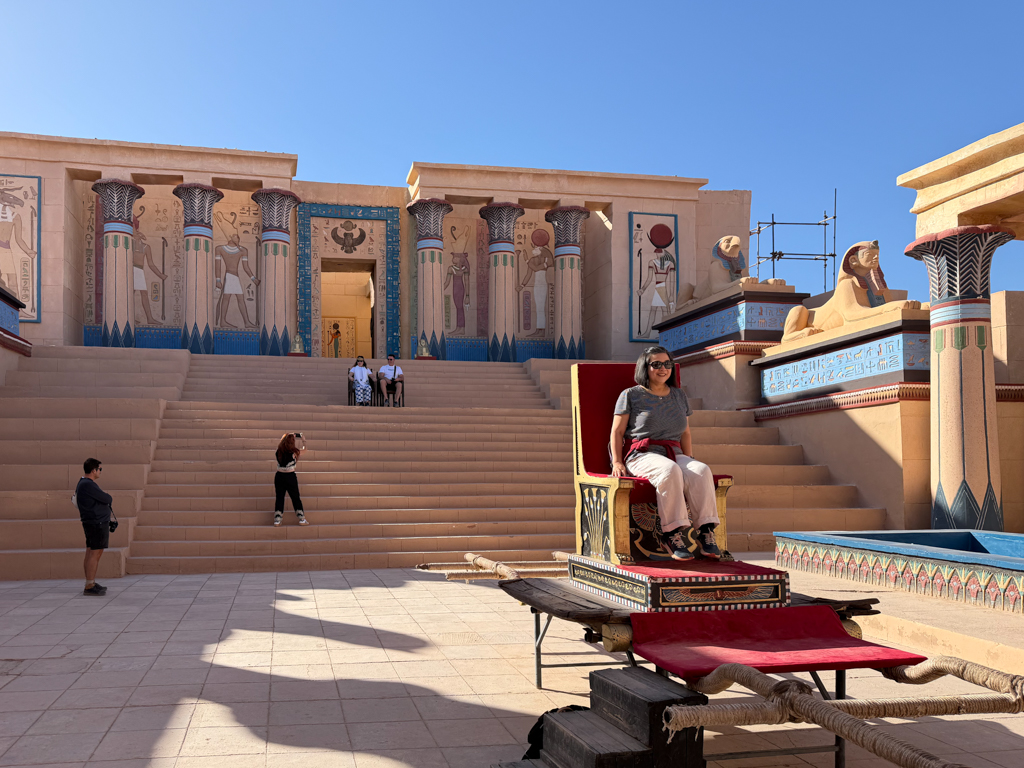
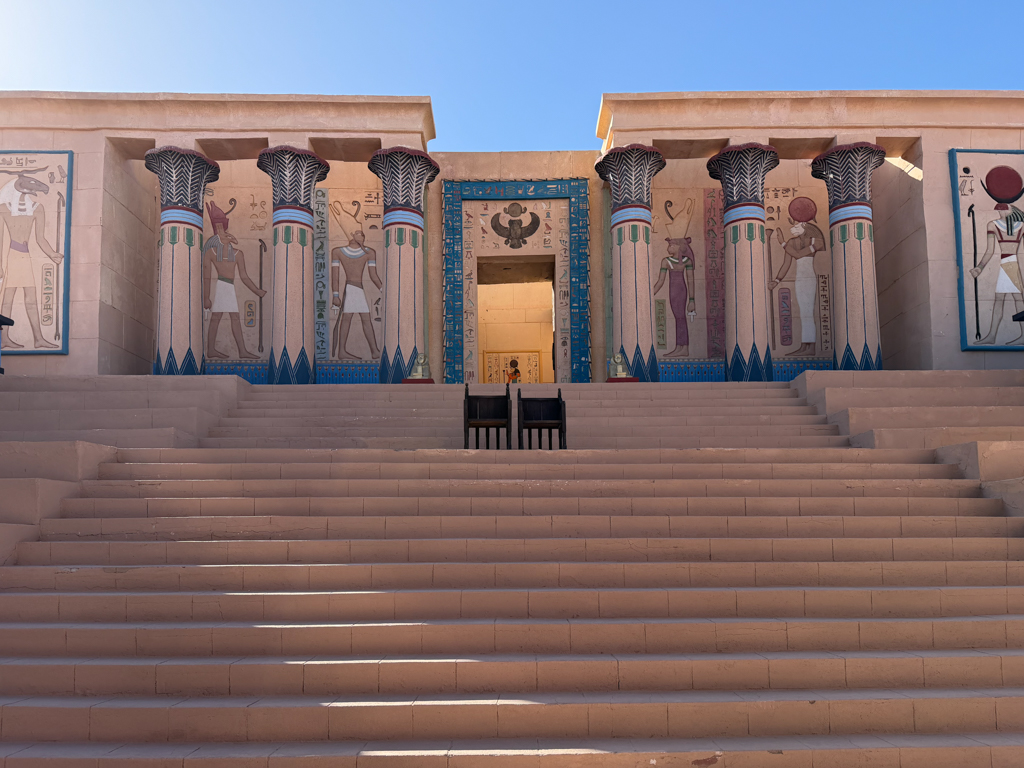
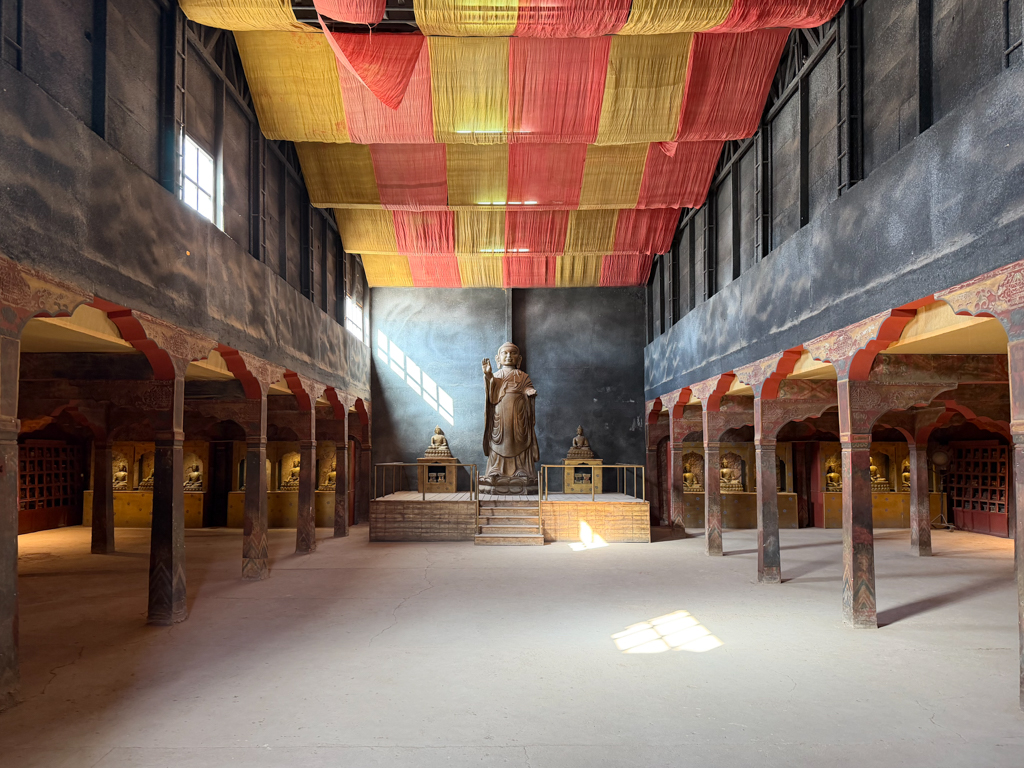
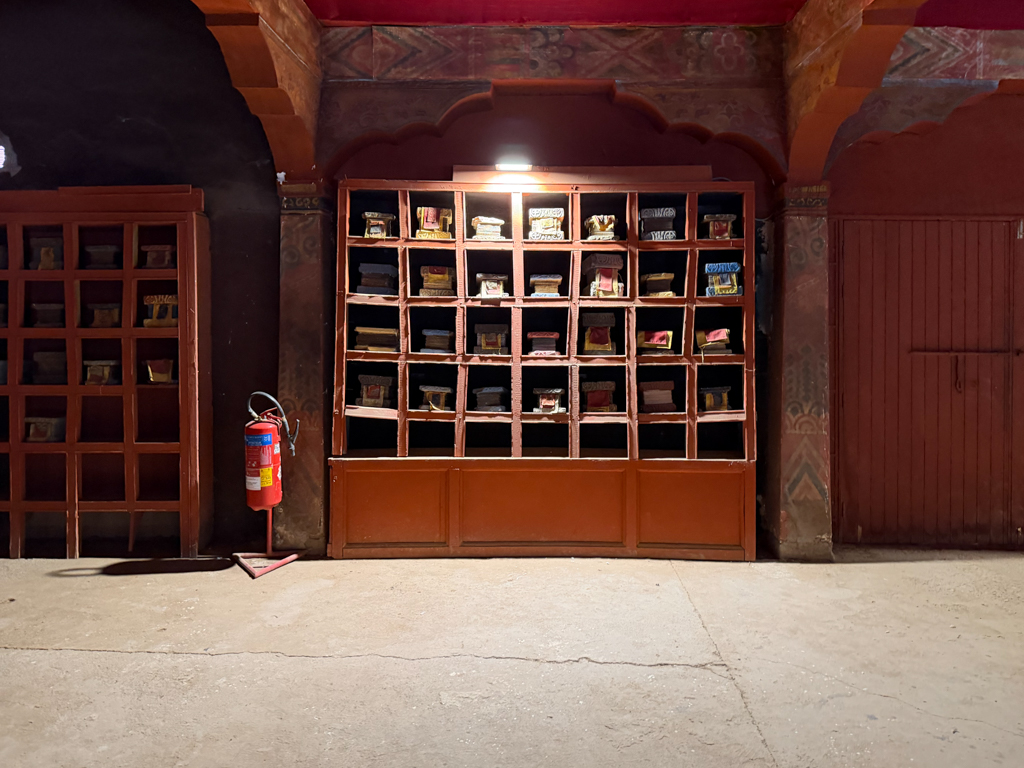
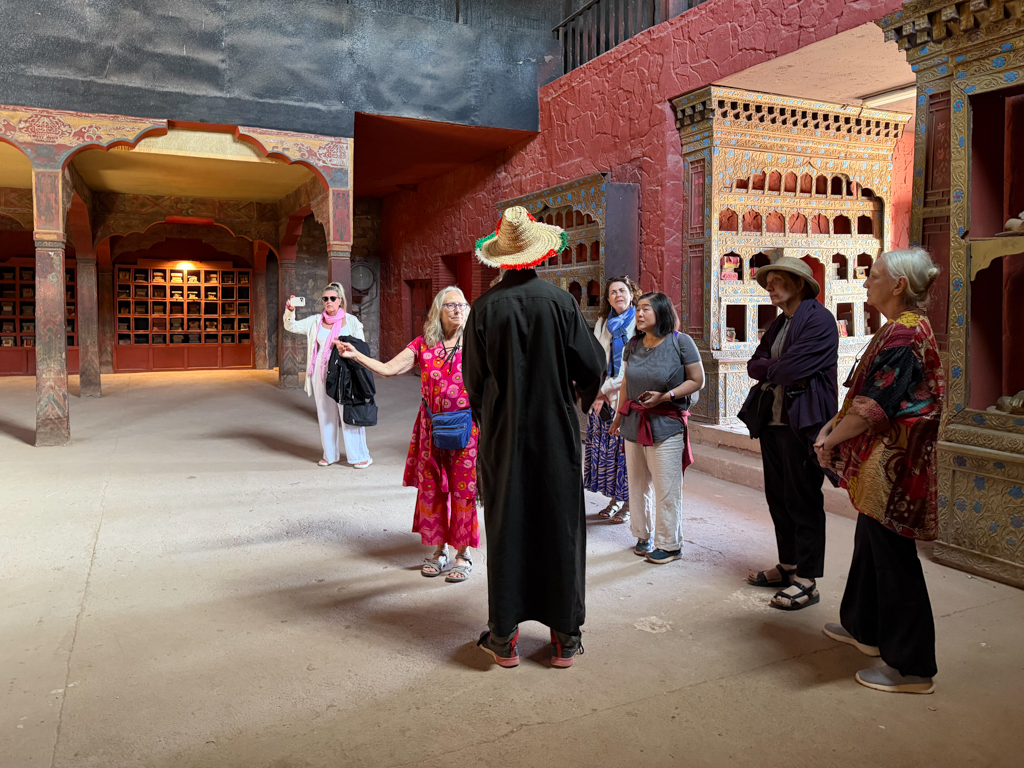
The massive studio complex sits on the edge of the desert and has been used for countless films and TV productions thanks to its dramatic scenery and adaptable sets. As we walked through the grounds, the guide pointed out props and structures from movies and shows like Gladiator, The Mummy, Kingdom of Heaven, Babel, and even Game of Thrones.
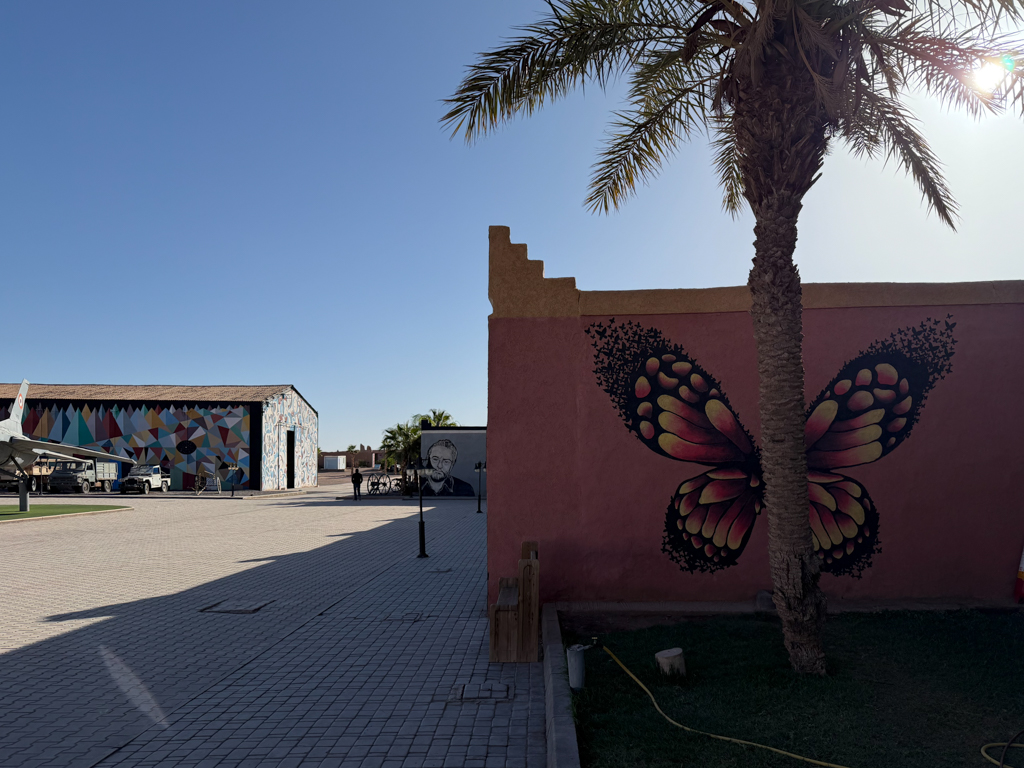

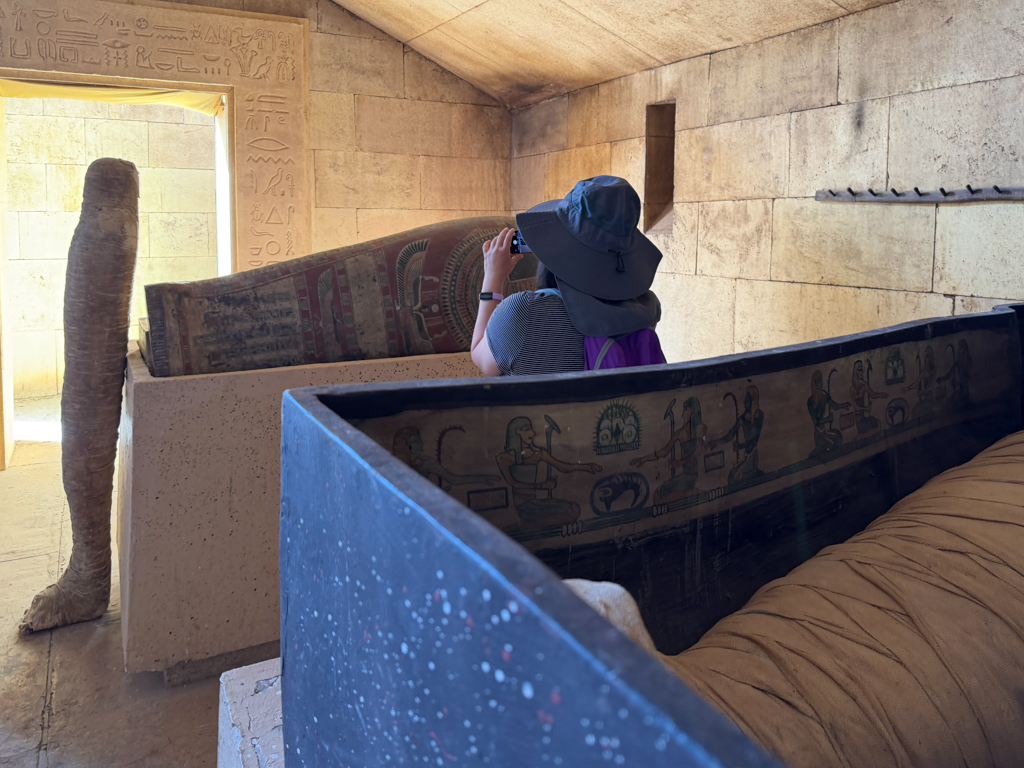


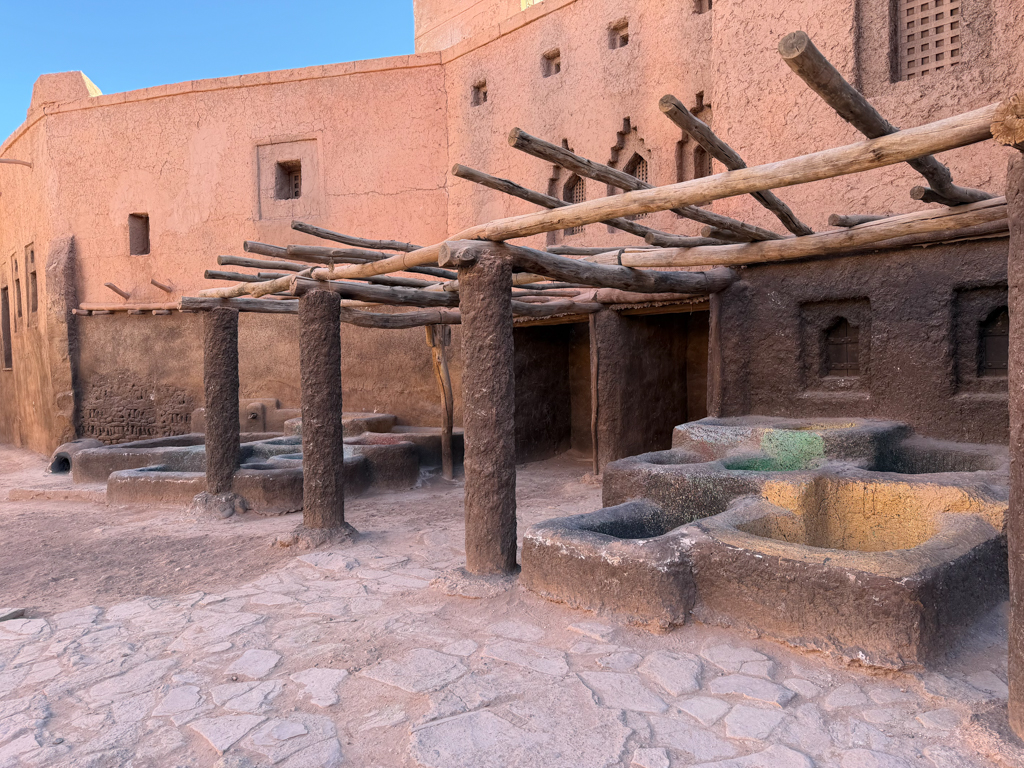
Many of the sets are still standing, giving the place the feel of an open-air film museum. It was impressive to see how this quiet region of Morocco has become such a major location for international filmmaking, and our guide’s energy made the whole experience even more fun.
Ksar of Ait-Ben-Haddou
The Ksar of Ait-Ben-Haddou was one of the most impressive places I visited, a UNESCO World Heritage site made up of ancient earthen buildings rising sharply from the hillside along a former caravan route.
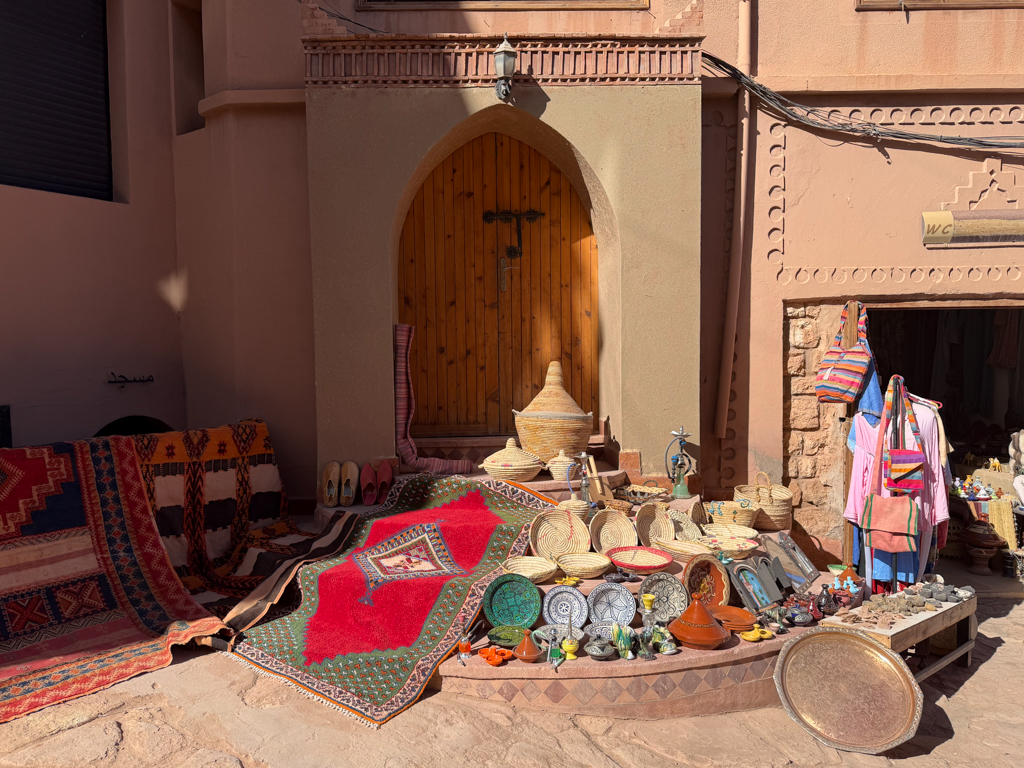

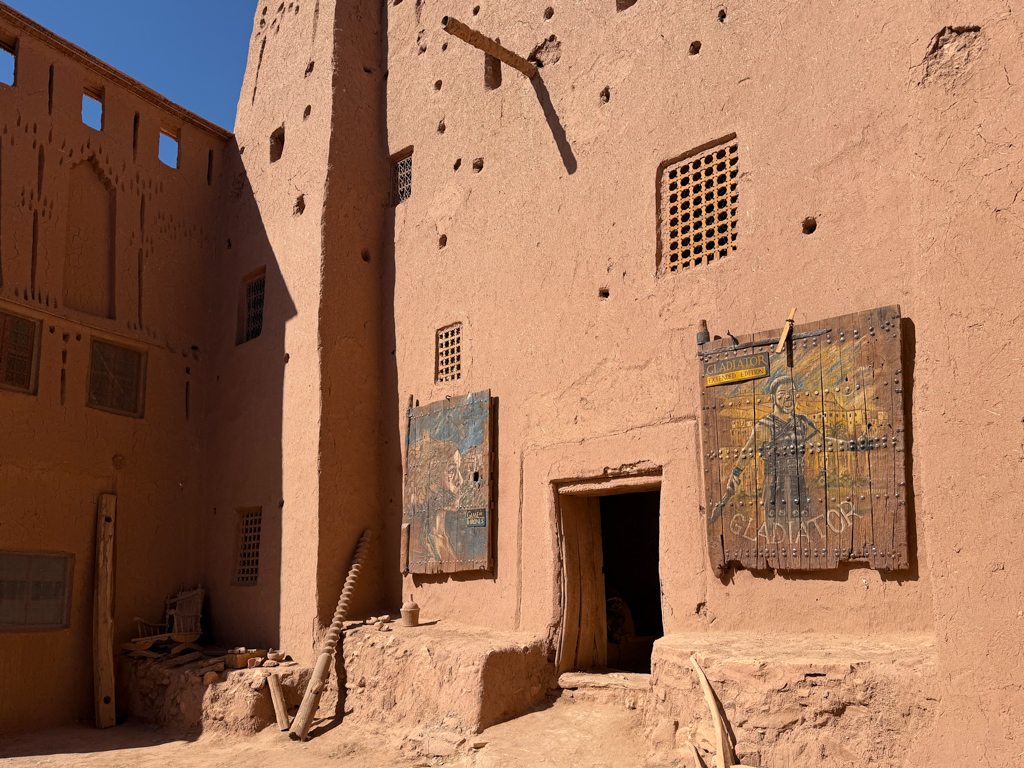
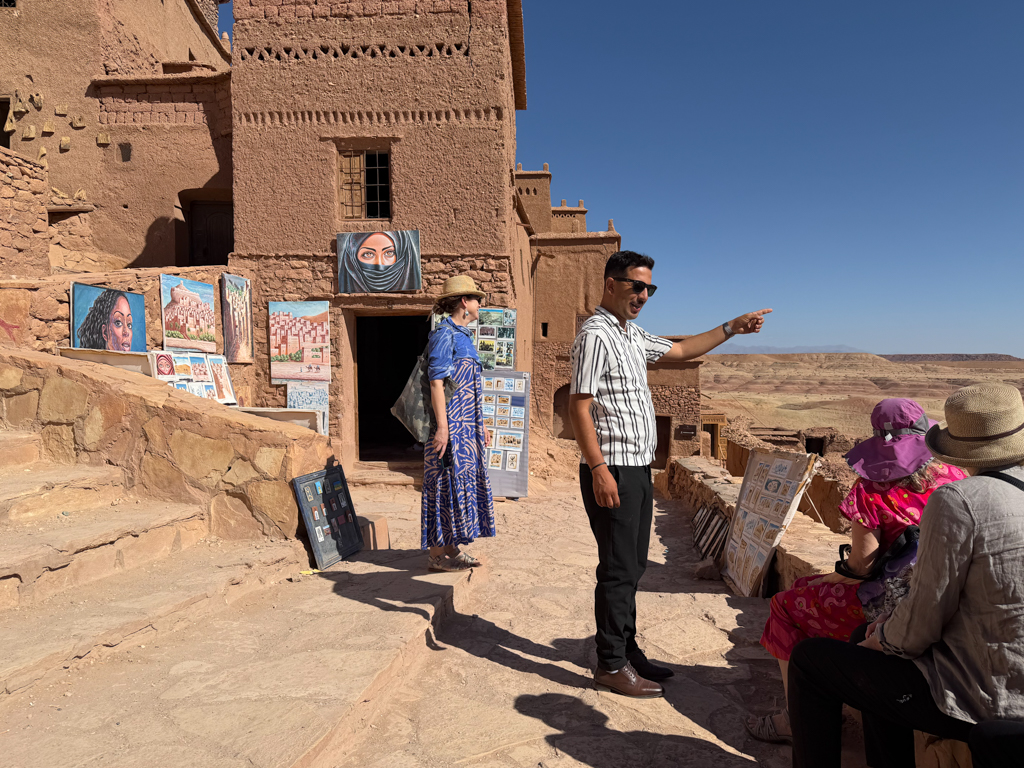
Walking through the ksar felt like stepping back in time, with its narrow passageways, mud-brick towers, and wide views over the desert valley. The site has served as the backdrop for films like Gladiator, Game of Thrones, and The Mummy, which made certain corners feel strangely familiar.
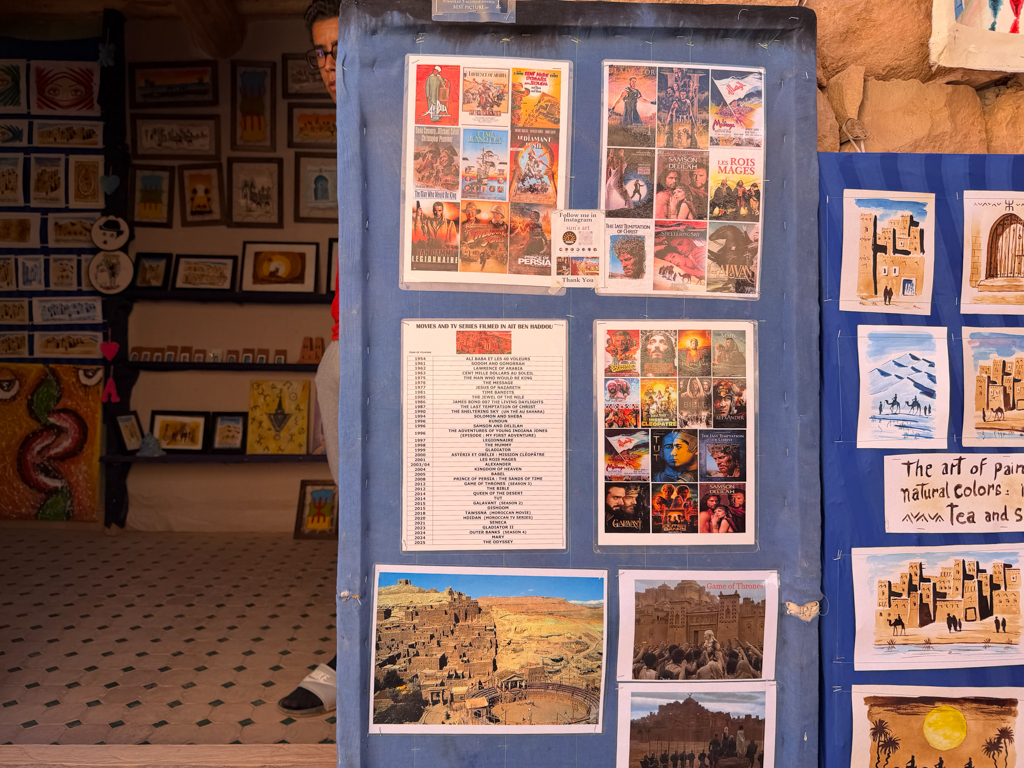
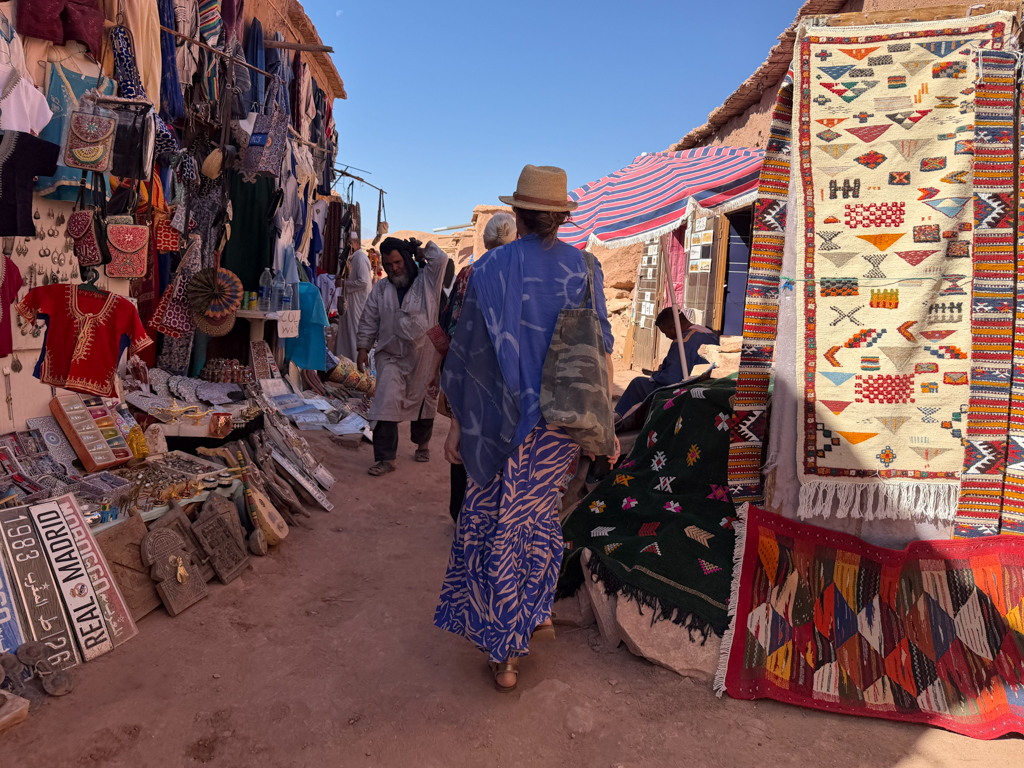
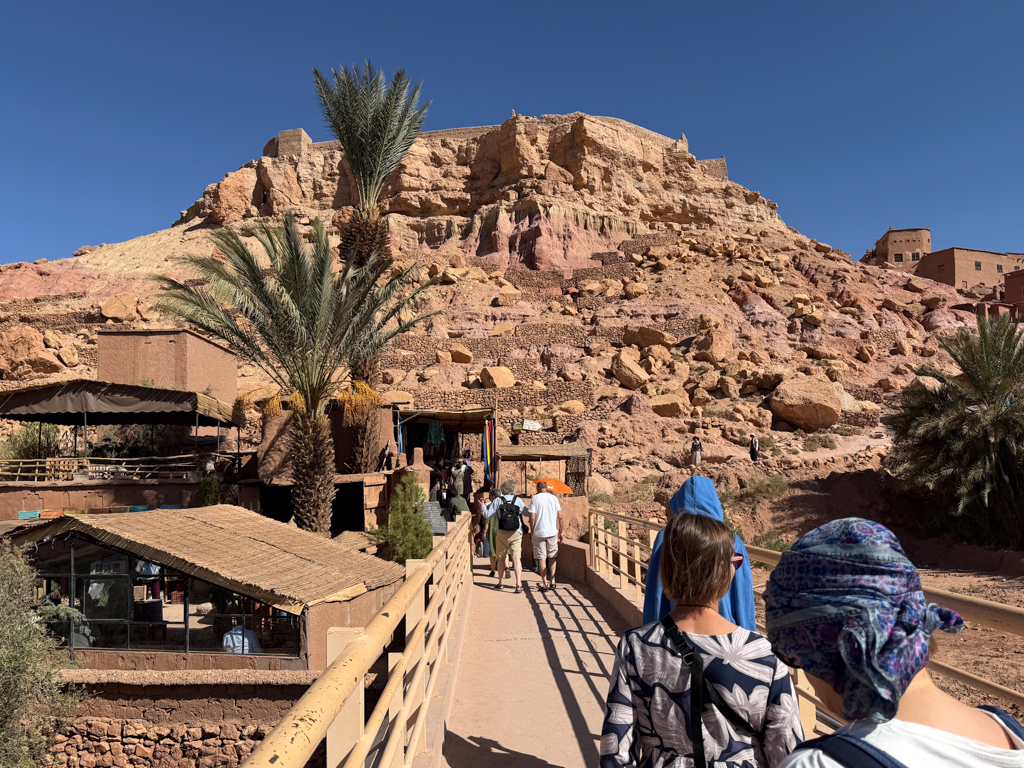
As we walked a comfortable pace to an overlook, I could picture how this fortified village once protected traders and families traveling between the Sahara and Marrakech. Rachid guided us through the complex, sharing the history and stories that brought the place to life, and I enjoyed seeing the vendors lining the pathways with their artwork.
We ended the visit with a delicious group lunch at Tawesna by Laila, a perfect way to wrap up our time there.
Akhnif Glaoui Carpet Co-Operative
The Akhnif Lglaoui Carpet Co-Operative in Aït Benhaddou was one of the most meaningful stops of the day, giving us a firsthand look at the women who keep Morocco’s rug-making traditions alive.
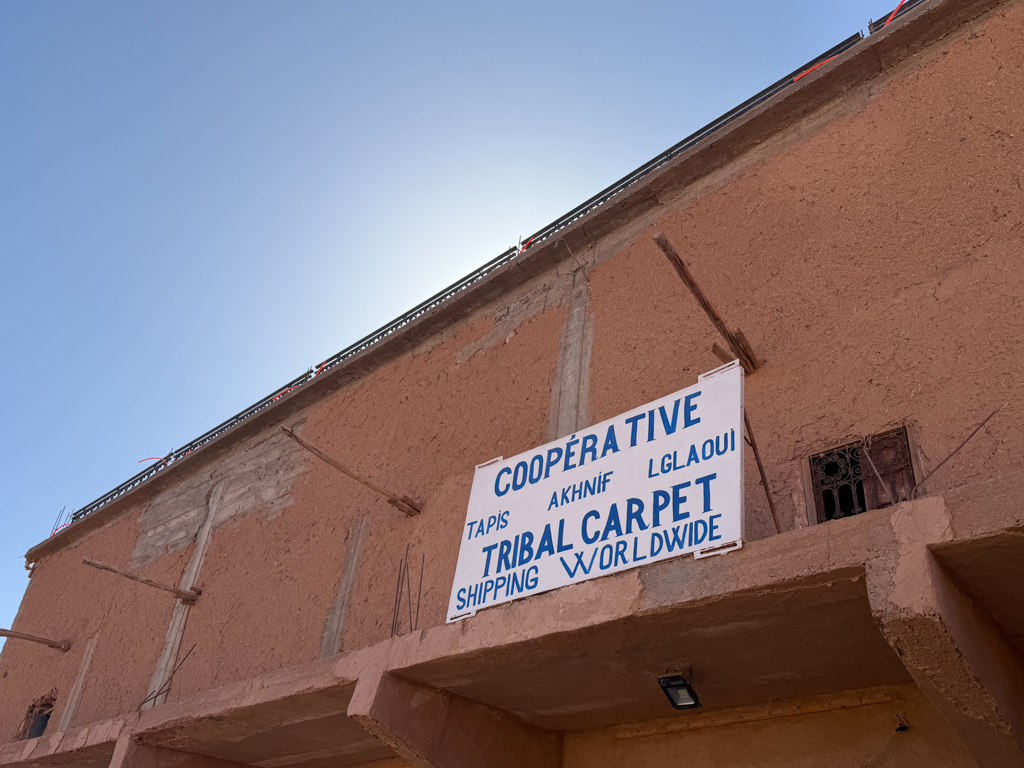
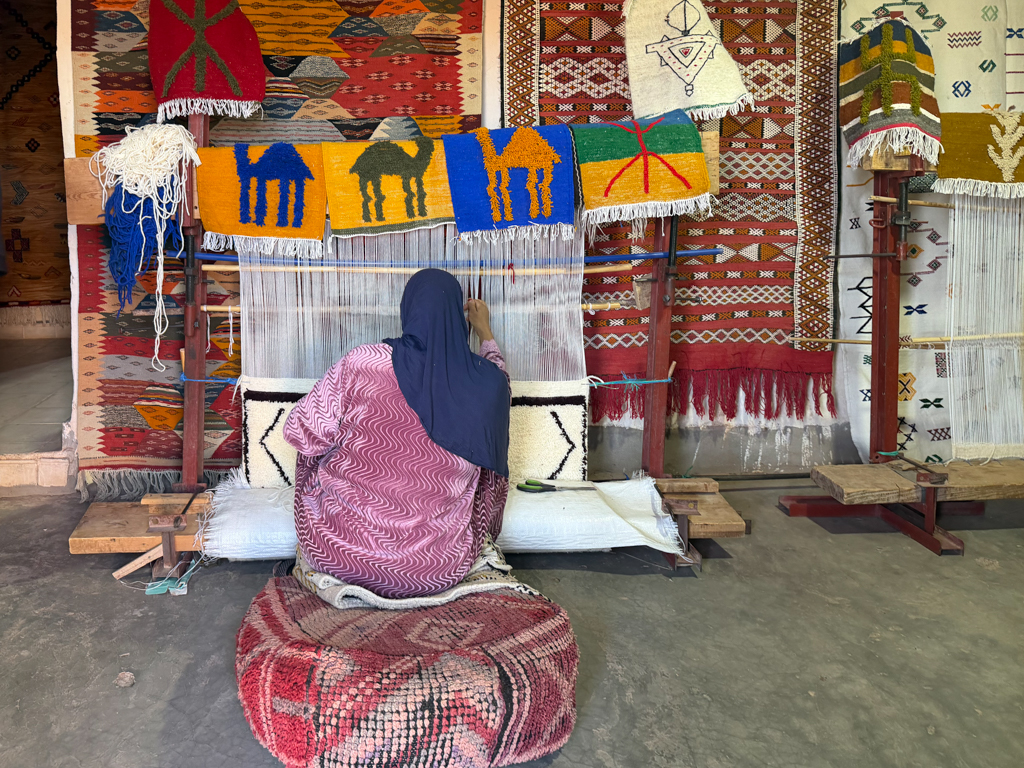

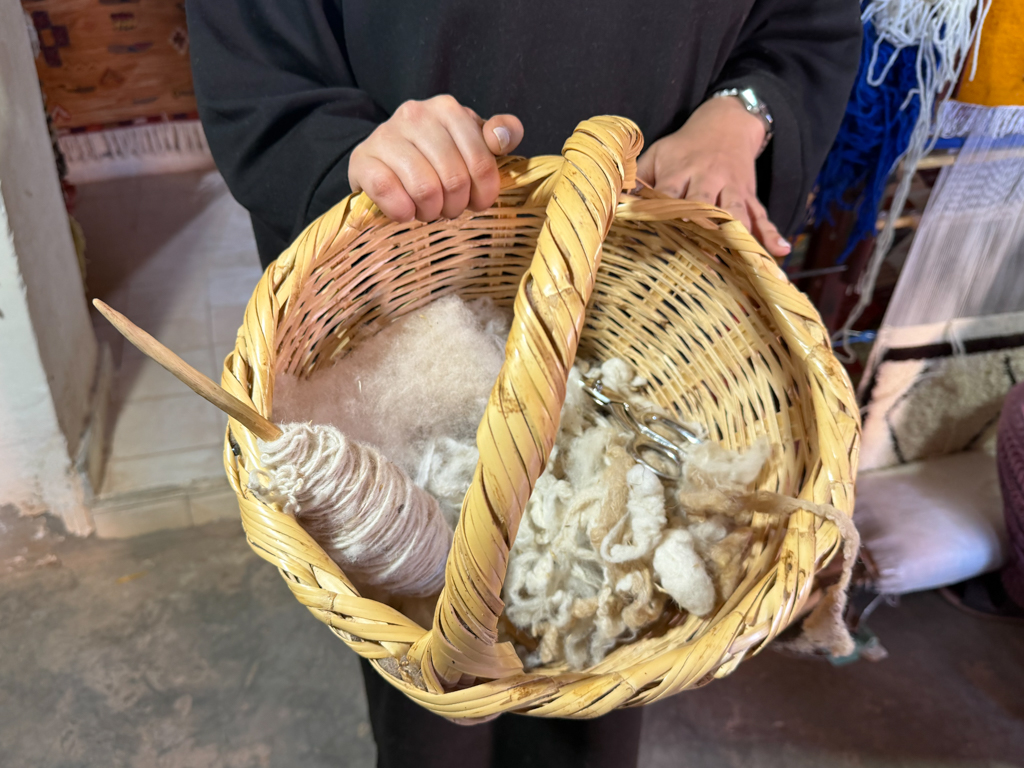
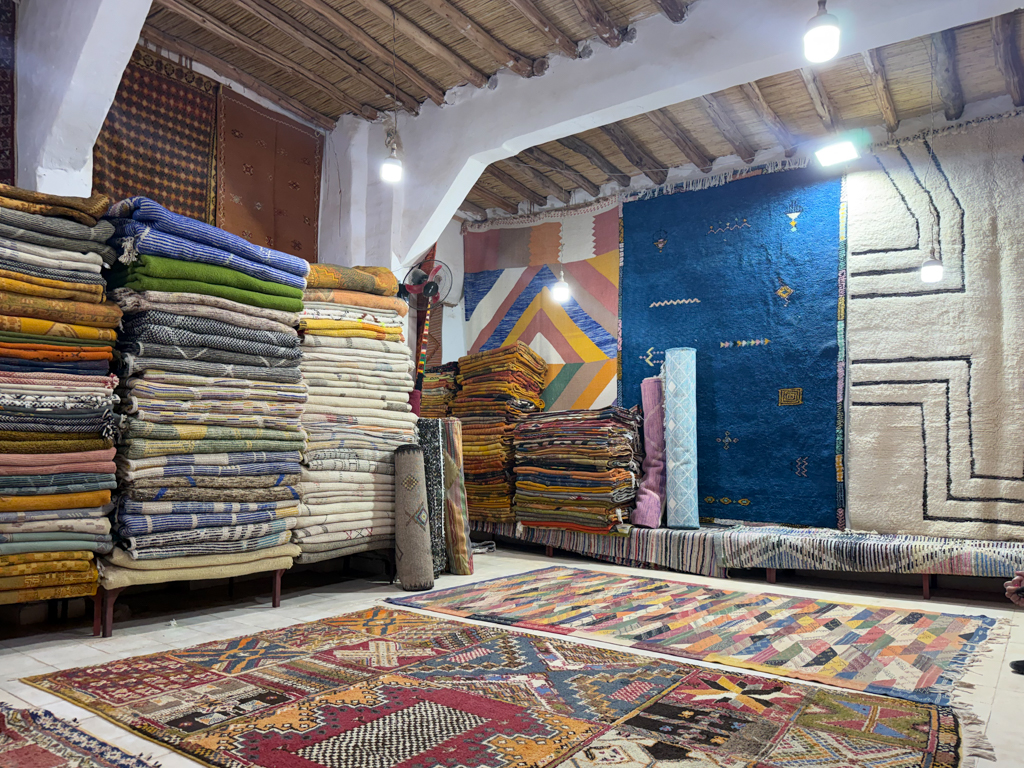
Inside, we watched as they spun wool by hand, mixed natural dyes from plants and minerals, and wove detailed patterns based on Amazigh symbols and stories. Each rug can take weeks or even months to finish, and the income goes directly to supporting the women and their families. Seeing the process up close made me appreciate the skill and patience behind every piece.
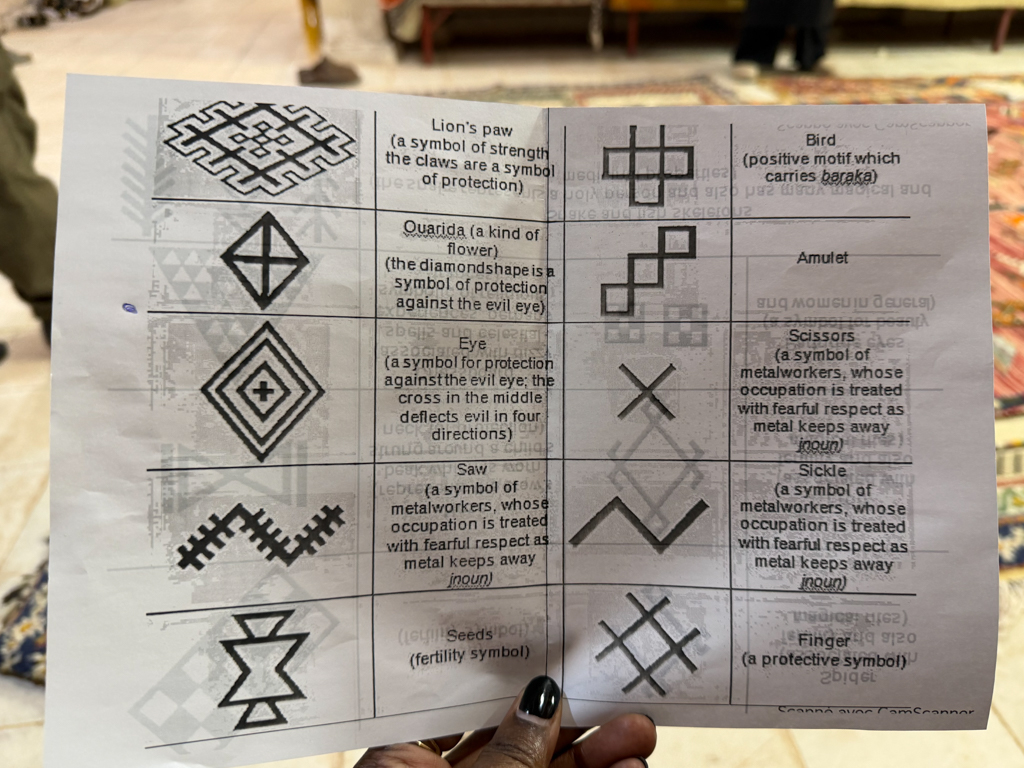
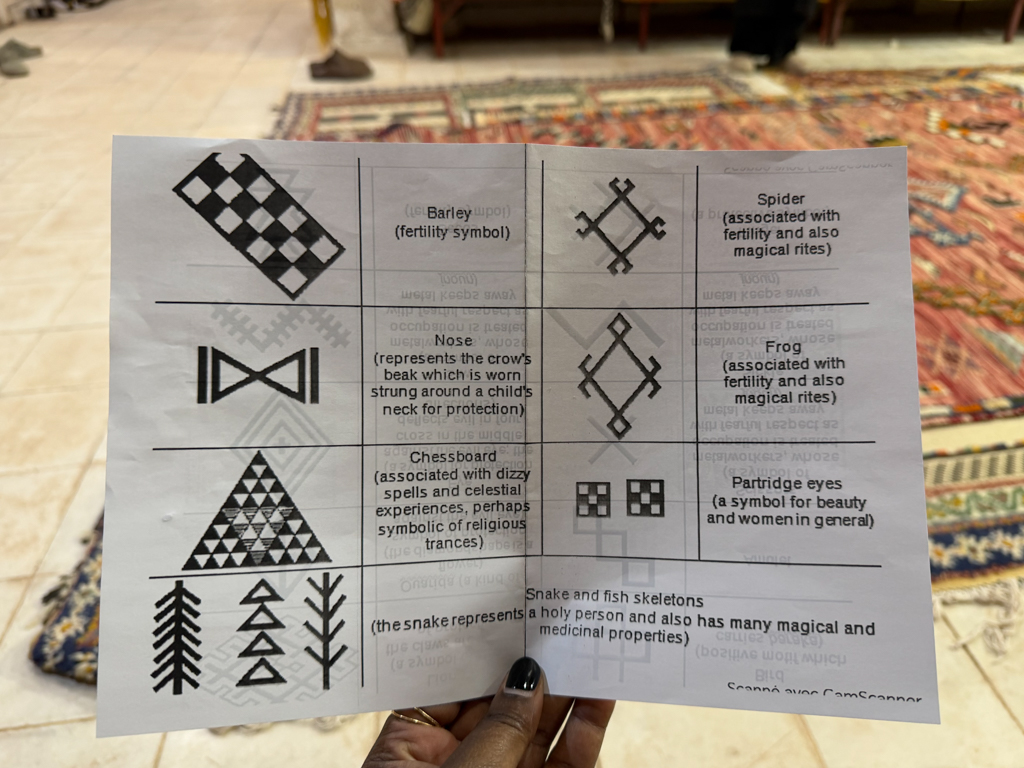
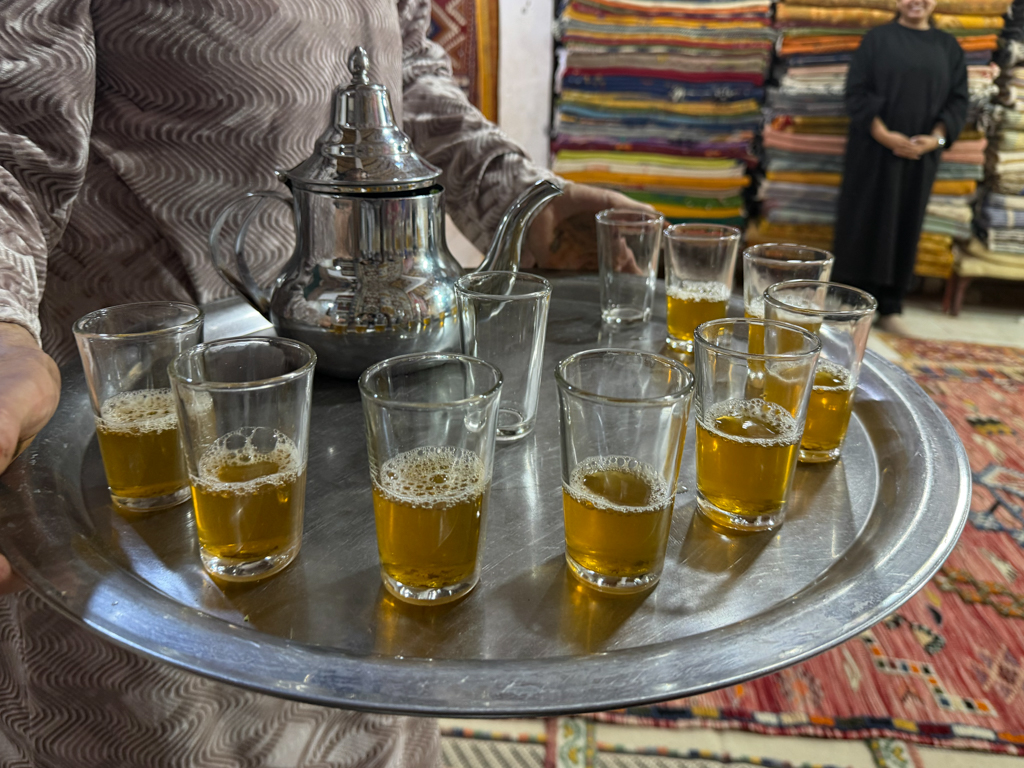
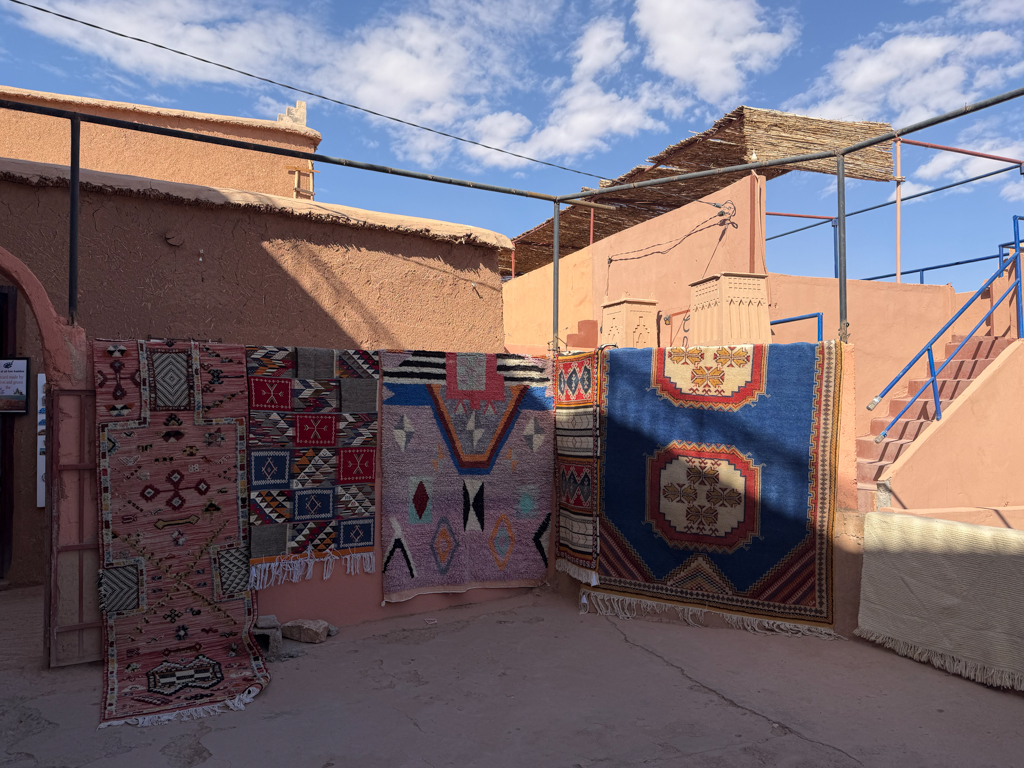
Some of the women in our group found rugs that were perfect for their homes, but even after looking through the options, nothing really spoke to me. I didn’t want to buy something just to keep up with the group, so instead I stepped aside and spent time talking with our driver, Kamal. We passed Google Translate back and forth as I translated my questions from English to Arabic, and he shared more about his life. It turned into one of the most genuine moments of the day.
Argan Tichka
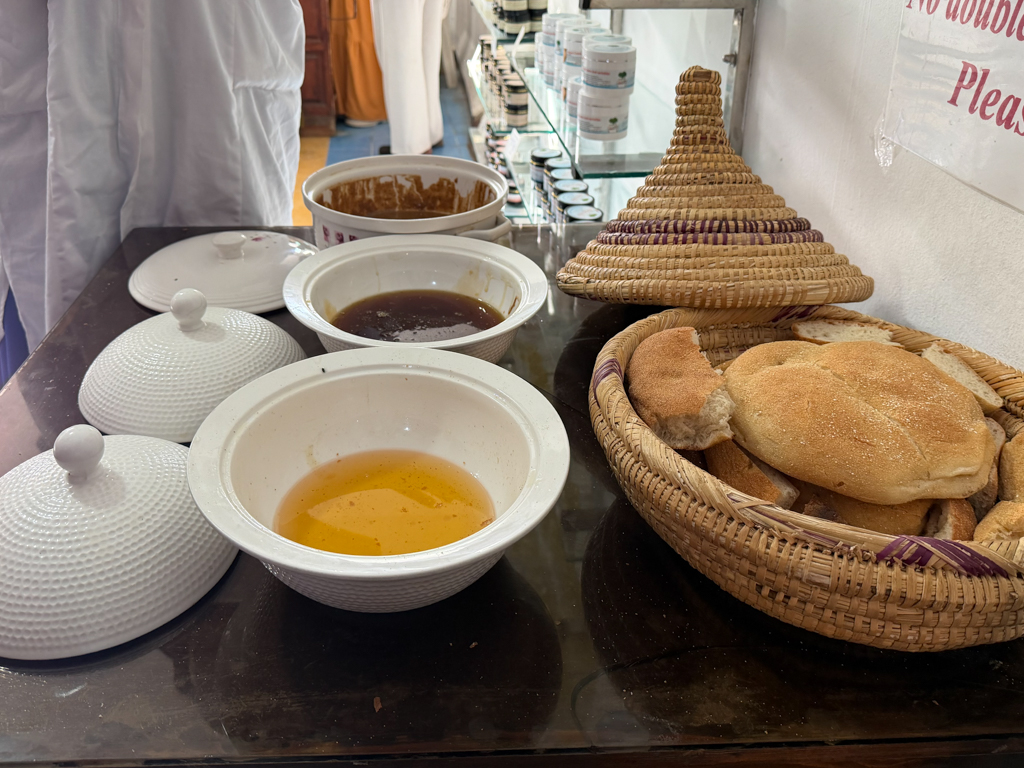
Argan Tichka was a small but worthwhile stop where we learned how Morocco’s well-known argan oil is made.
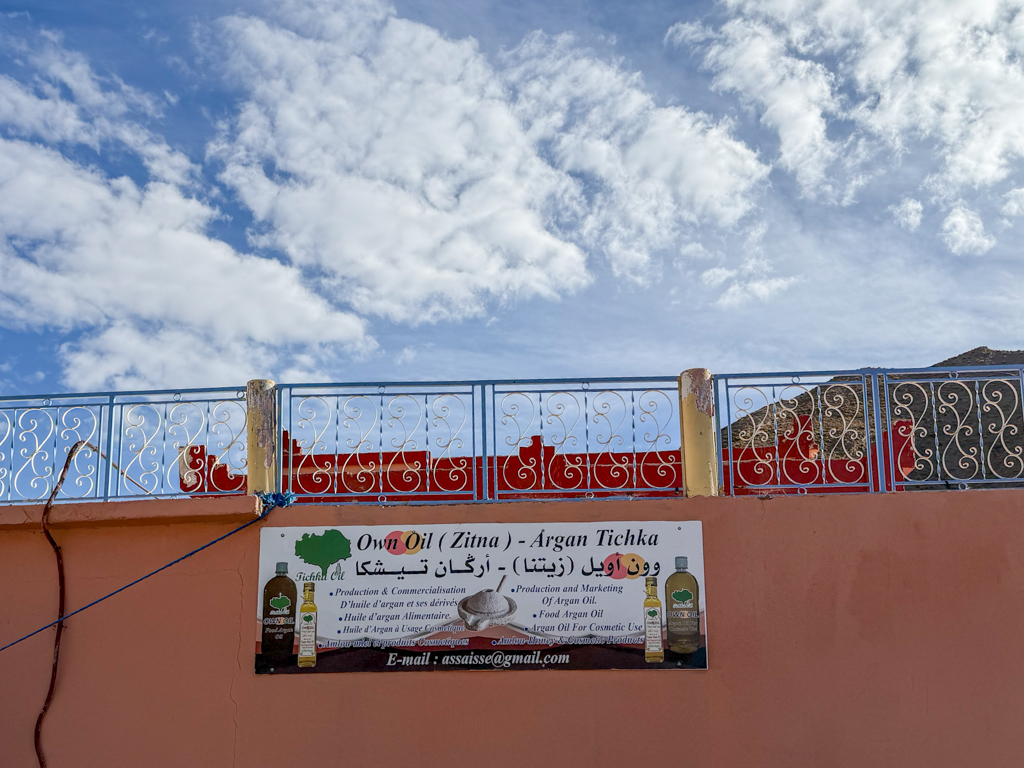
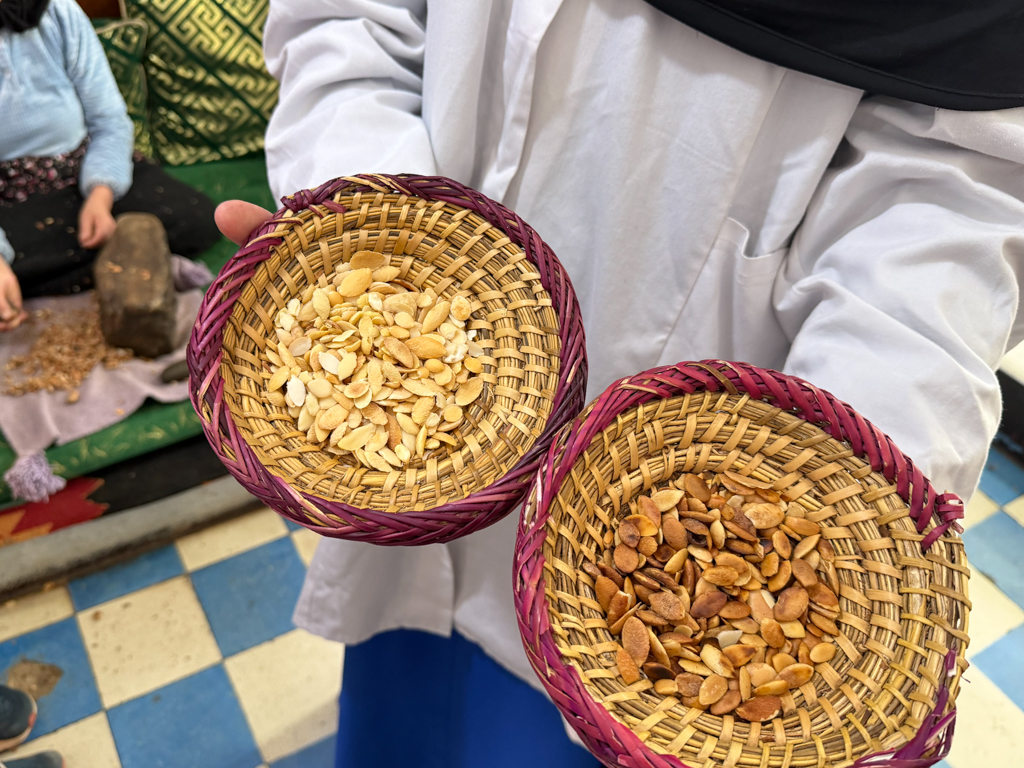
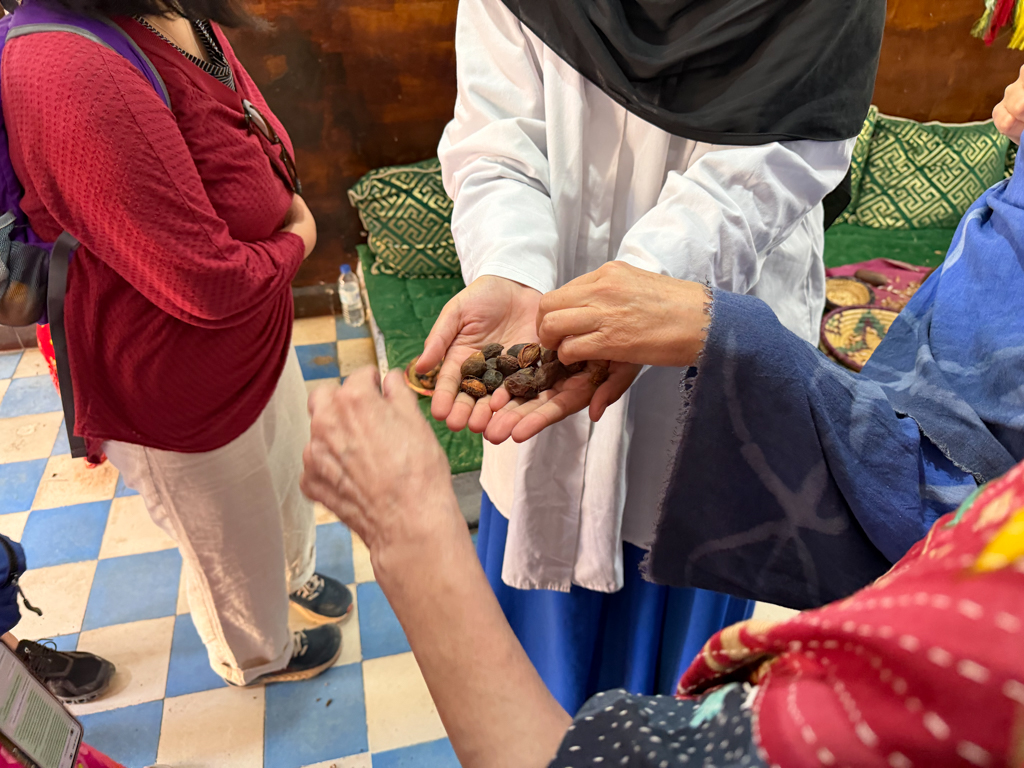
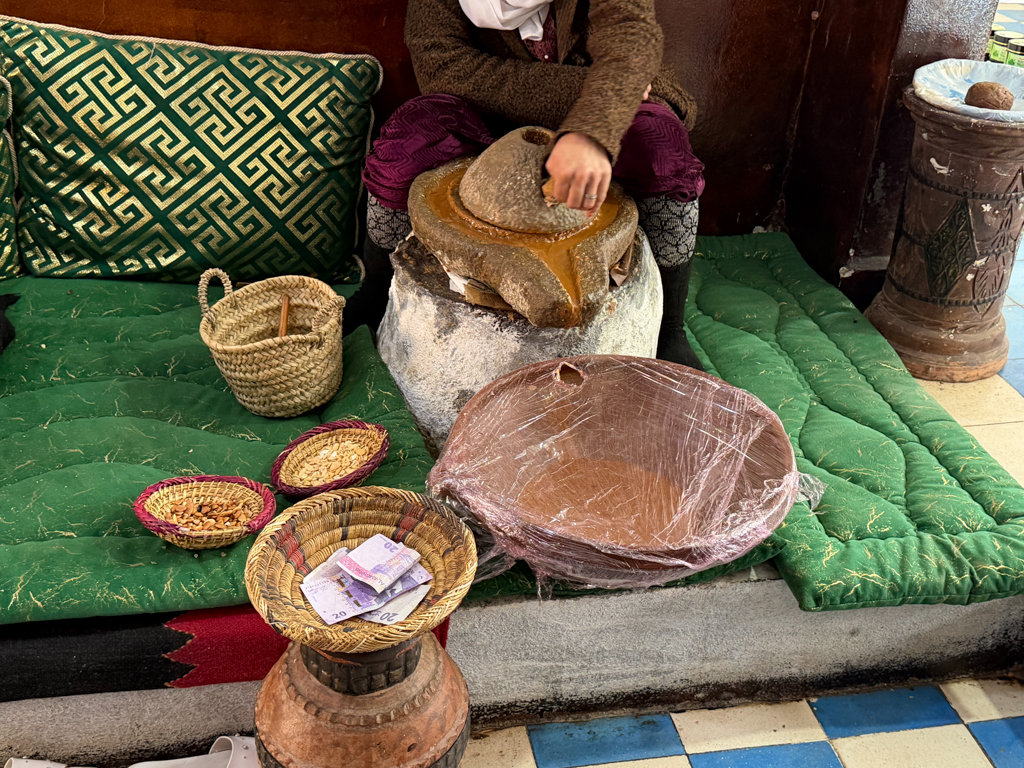
The women there walked us through each step, from cracking the tough argan nuts by hand to grinding the kernels into a paste and pressing out the oil. They also explained the difference between cosmetic and culinary argan oil, and how their cooperative provides a reliable source of income for local families. Seeing how much effort goes into each batch made it easy to understand why pure argan oil is so highly valued.
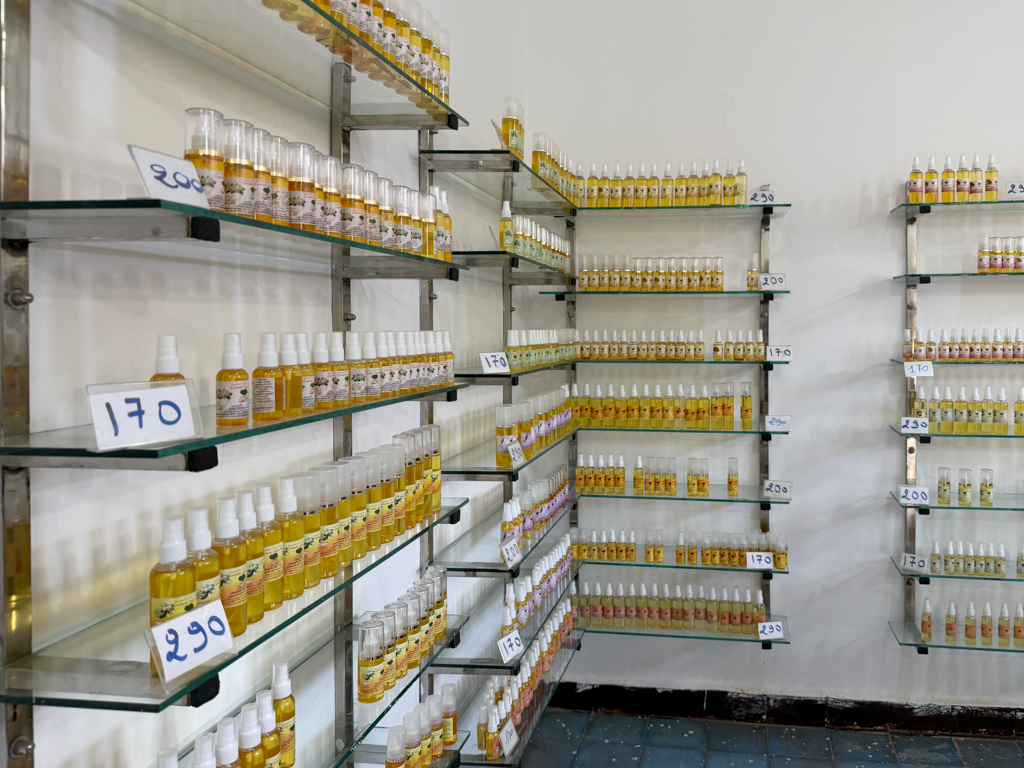
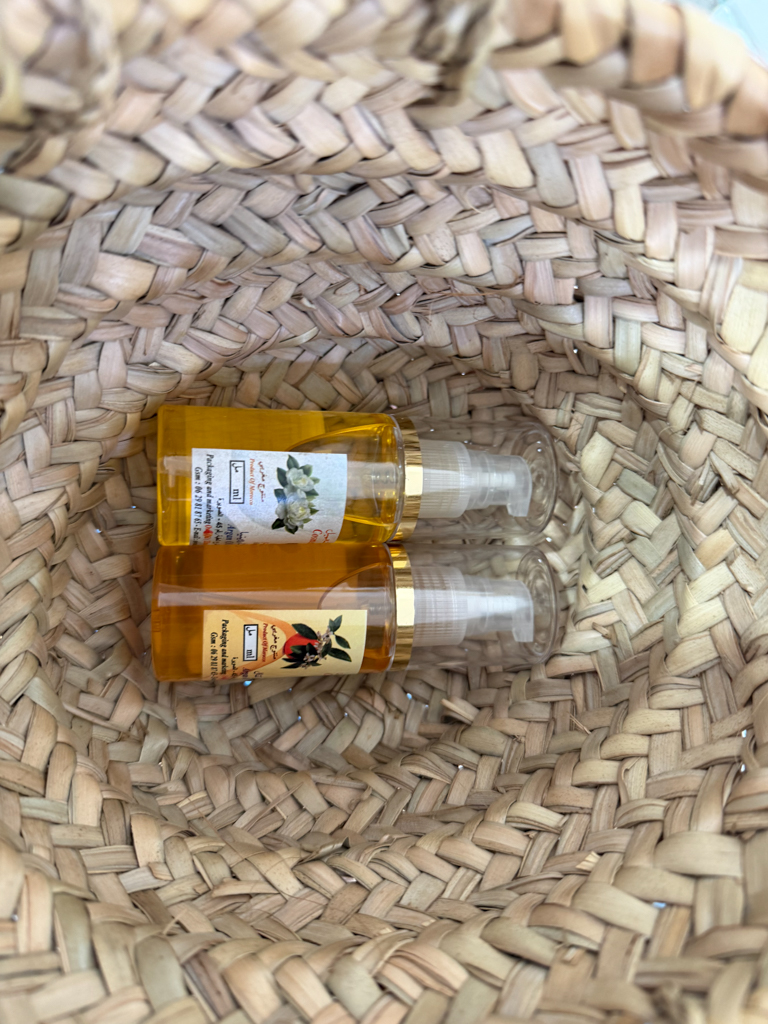
I ended up buying a couple of blends – one with orange blossom and another with gardenia – and both smelled incredible on my skin. As we wrapped up our visit and continued toward Marrakesh, I felt genuinely grateful that Rachid and Kim had included such meaningful and informative stops in our tour of Morocco.
By the end of the day, I realized how much variety Morocco holds within just a few hours of travel – film studios, historic villages, women’s cooperatives, and argan workshops all offering their own perspective on the culture. Each stop felt intentional and meaningful, and together they created a fuller picture of the country’s past, present, and the people who carry its traditions forward. It was a long day, but one that left me grateful for the way this journey continued to deepen my connection to Morocco.
Related Reviews
 Casablanca Walking Tour: History & Landmarks by Airbnb Experiences
 Road to the Oasis: Rissani Market and Fossils of Morocco at Macro Fossiles Kasbah
 Into the Sahara: A Sunset Camel Caravan Trek over the Erg Chebbi Dunes with Takojt Camel Treks
 From Fes to the Sahara: Ifrane, Cedar Forest Monkeys, Berber Culture and the Desert