
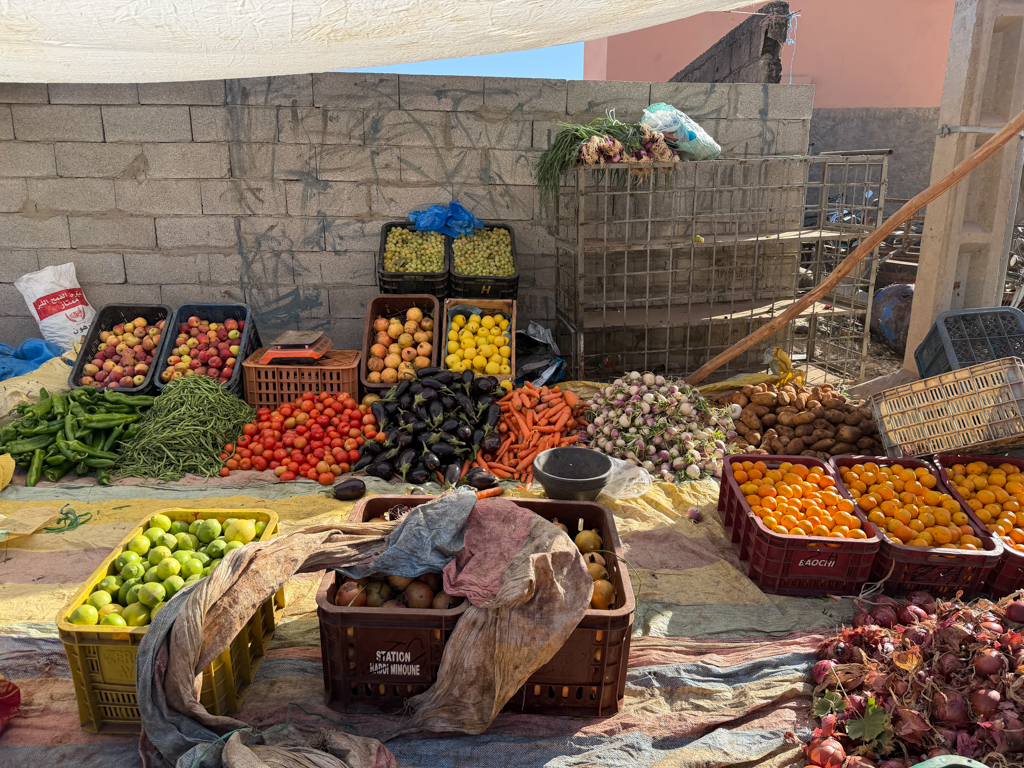
After departing Tiziri Desert Camp earlier in the morning, our group tour of Morocco continued with two very different stops that highlighted both the daily life and the ancient history of the region: Rissani Market and Maco Fossiles Kasbah.
Rissani Market
Rissani Market, one of the oldest markets in southeastern Morocco, offered a straightforward but interesting look at daily life, history, and local trade. As Rachid guided us through the area, it was easy to see why the market has long been an important stop for people traveling through the region.
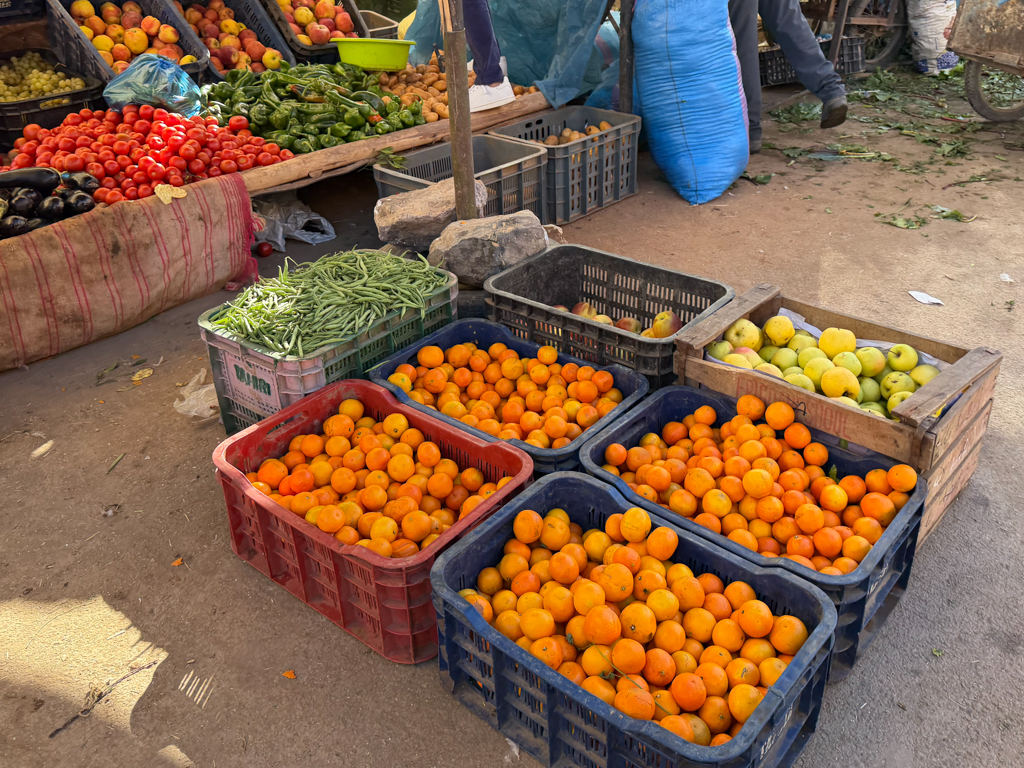
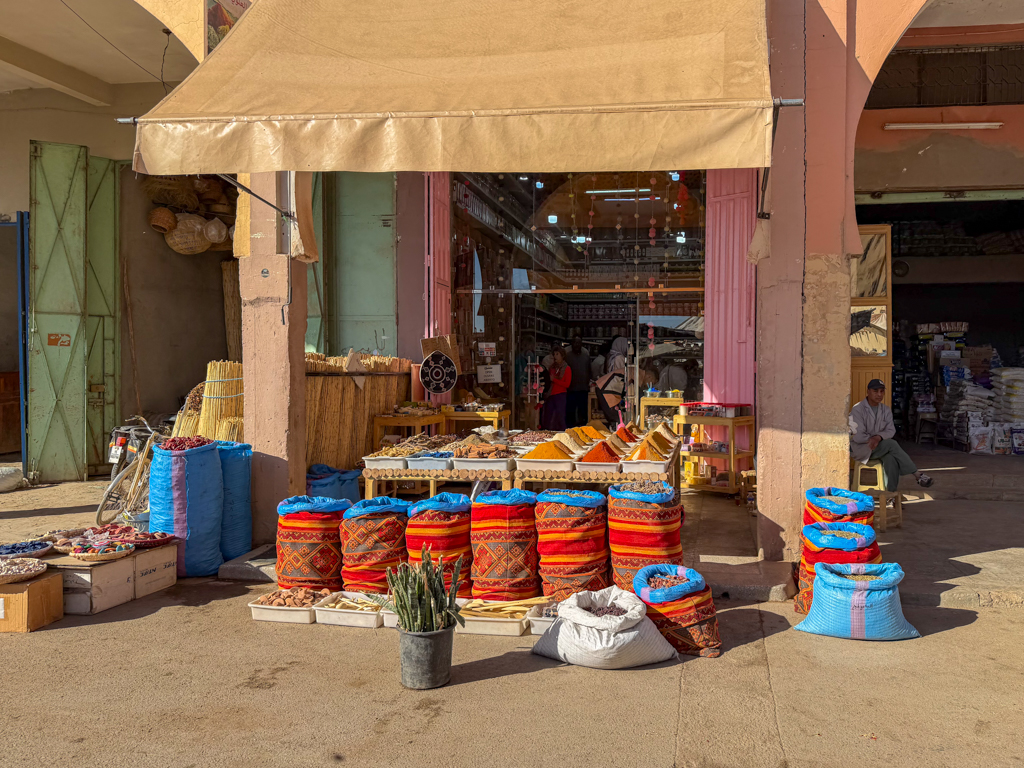
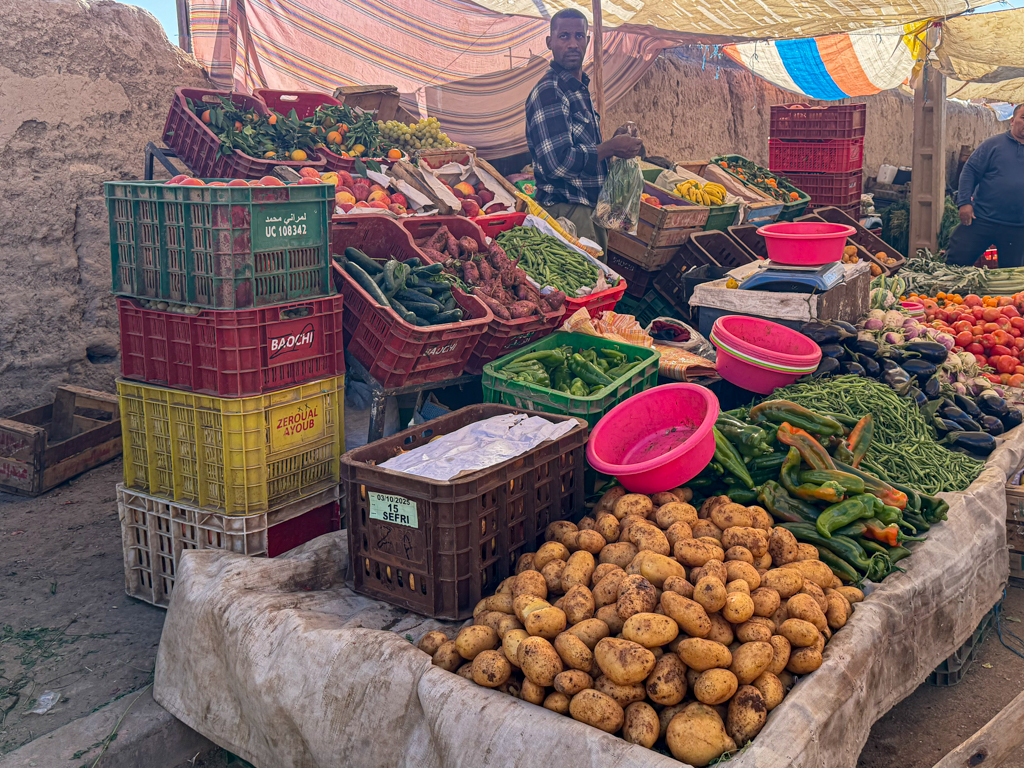
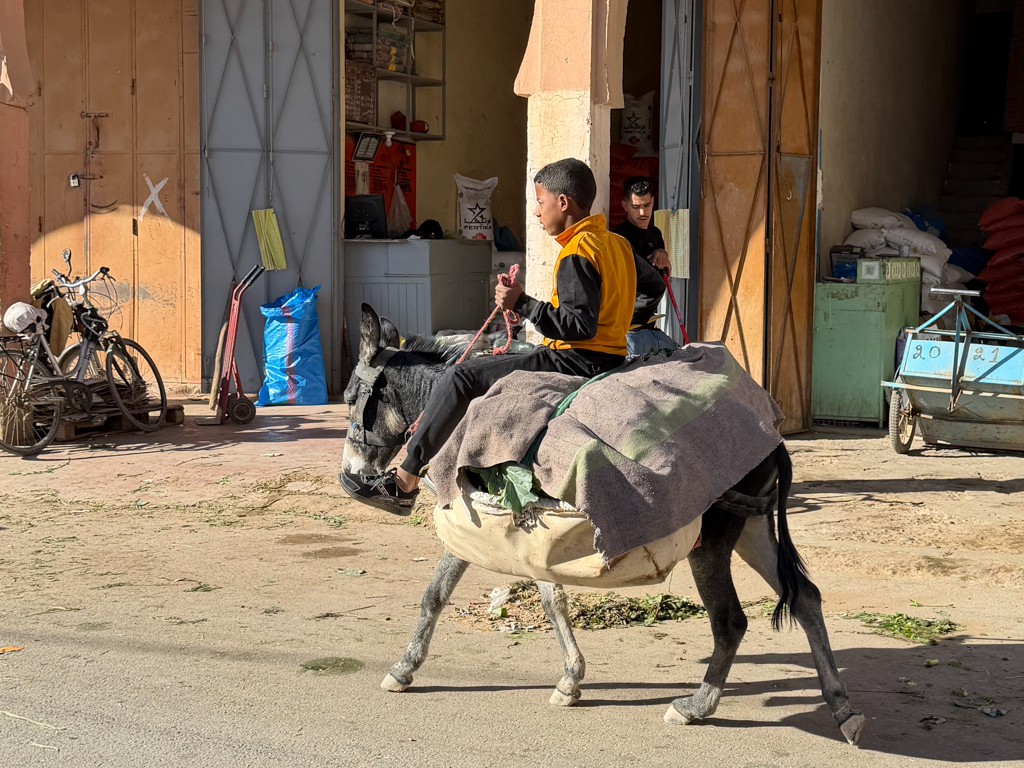
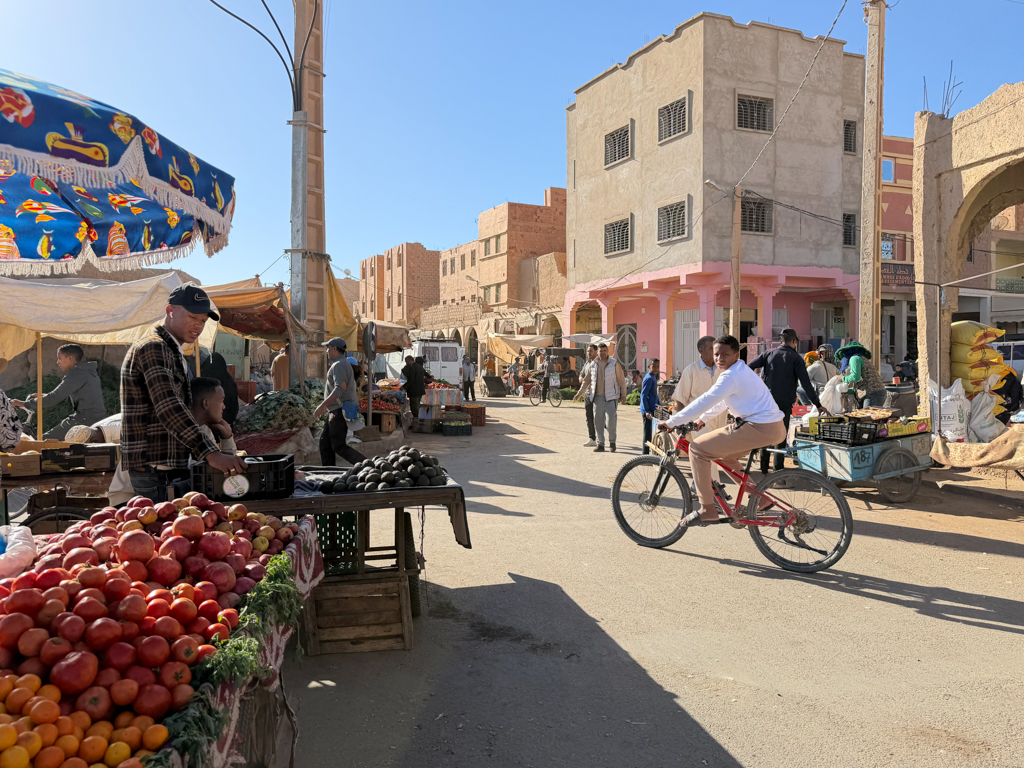
Rissani Market sits near the site of the ancient city of Sijilmassa, once one of the most important caravan hubs in North Africa. For centuries, traders traveling between sub Saharan Africa and the Mediterranean passed through this region, exchanging gold, salt, slaves, textiles, and spices. Although Sijilmassa itself is now a ruin, Rissani inherited much of its commercial role, and the market remains one of the most active traditional souks in southeastern Morocco. Walking through it felt like stepping into a continuation of that long trading history.
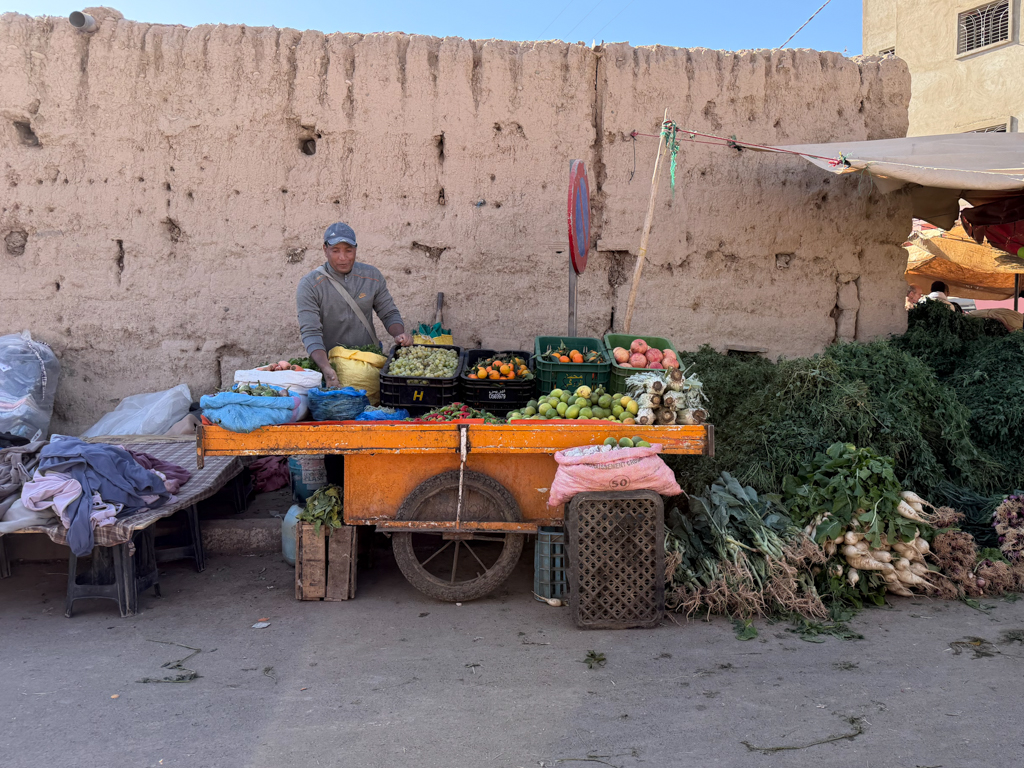
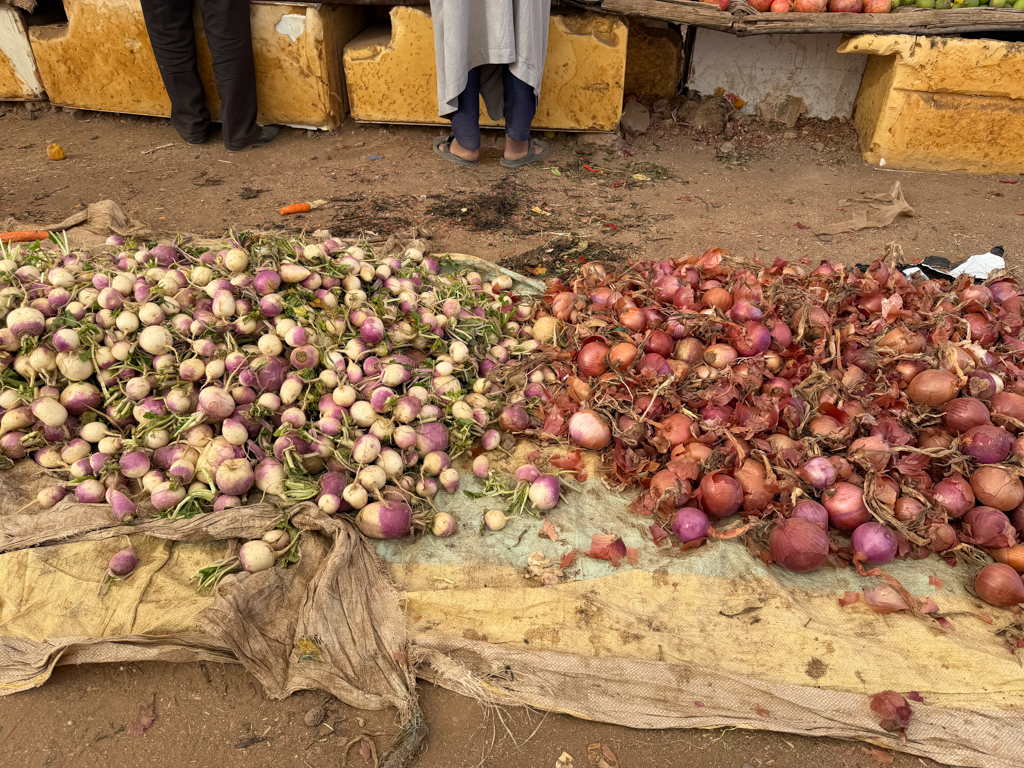
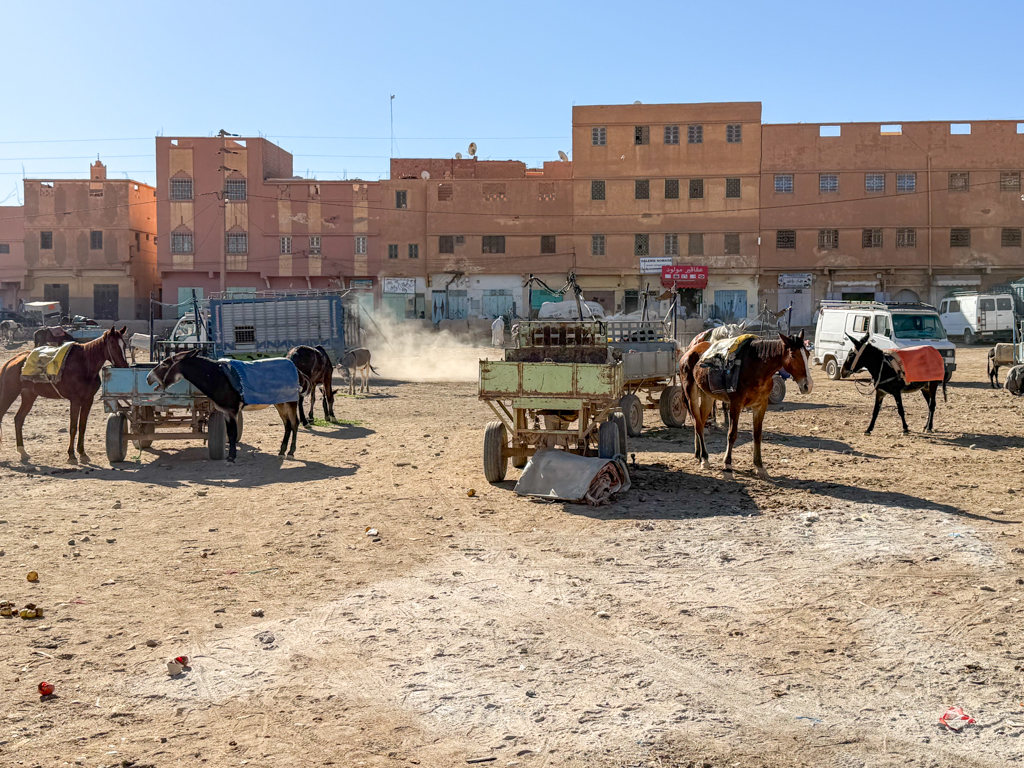
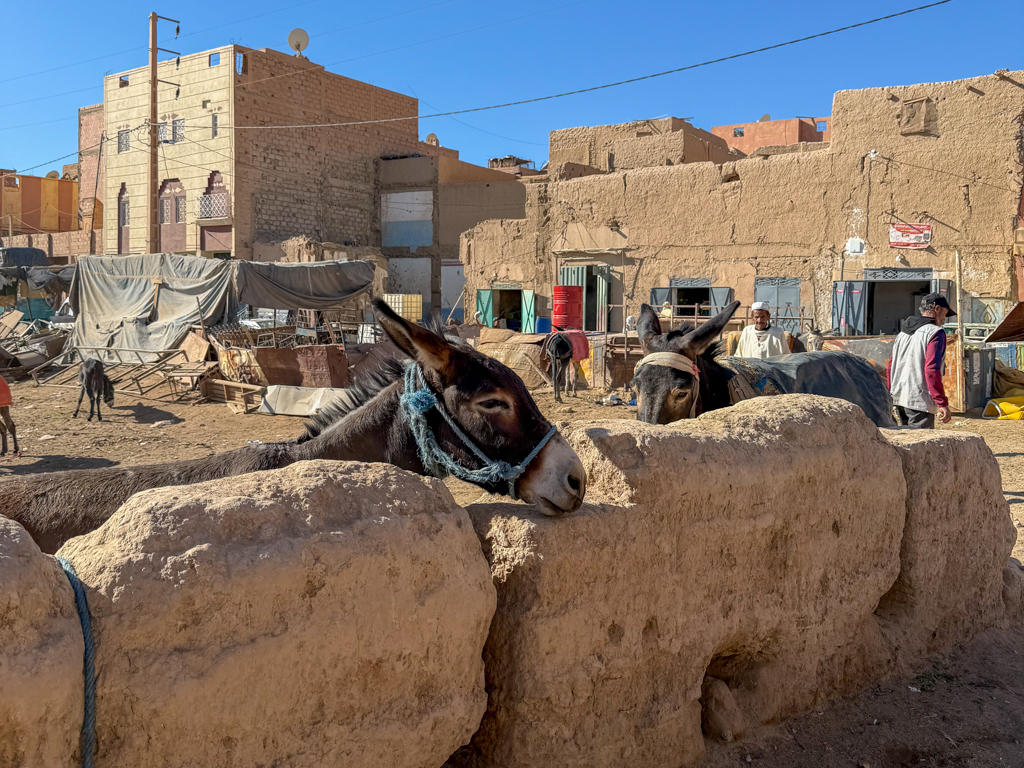
The outdoor market was lively and straightforward, with vendors selling produce, spices, leather goods, and everyday items.
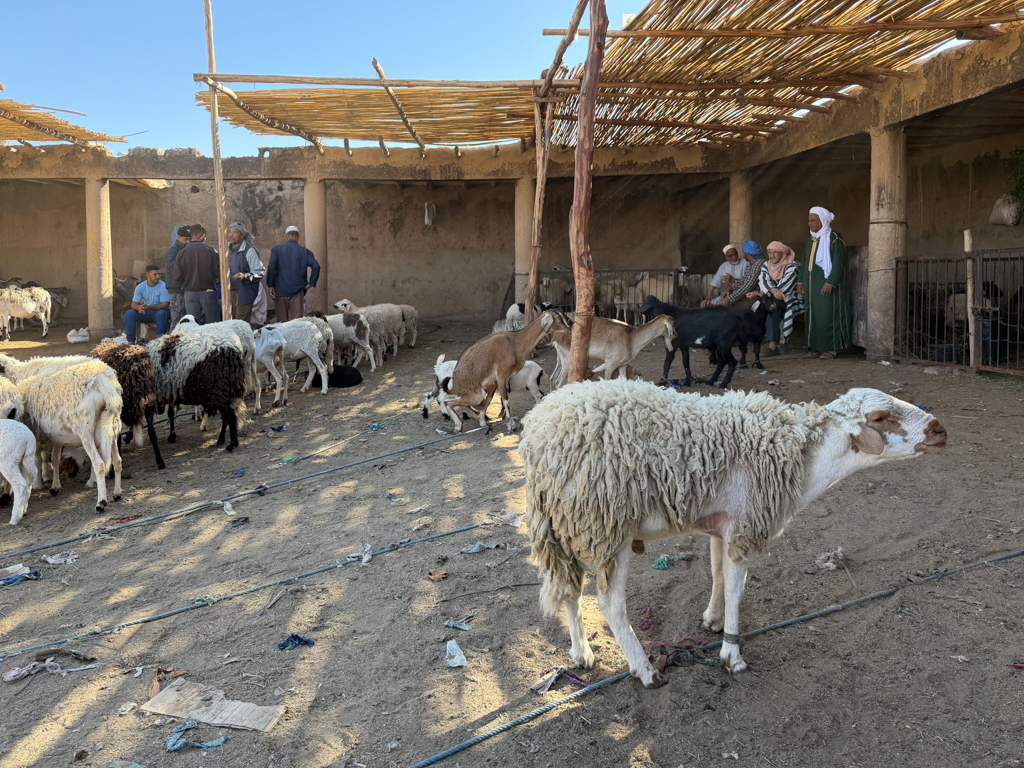
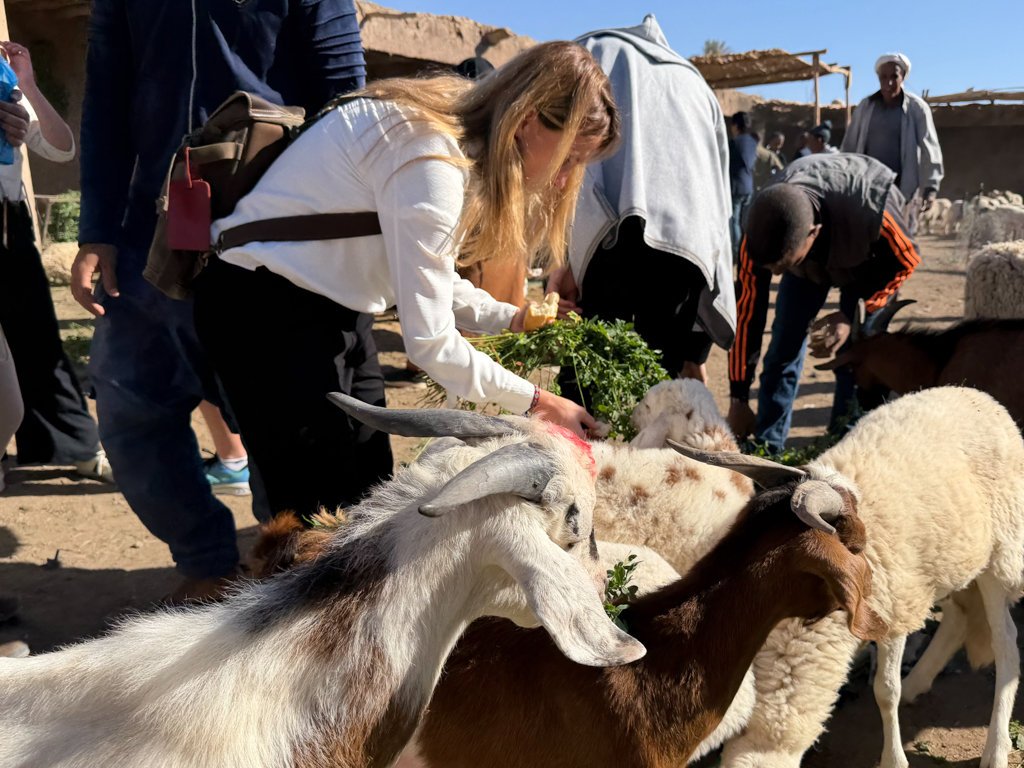
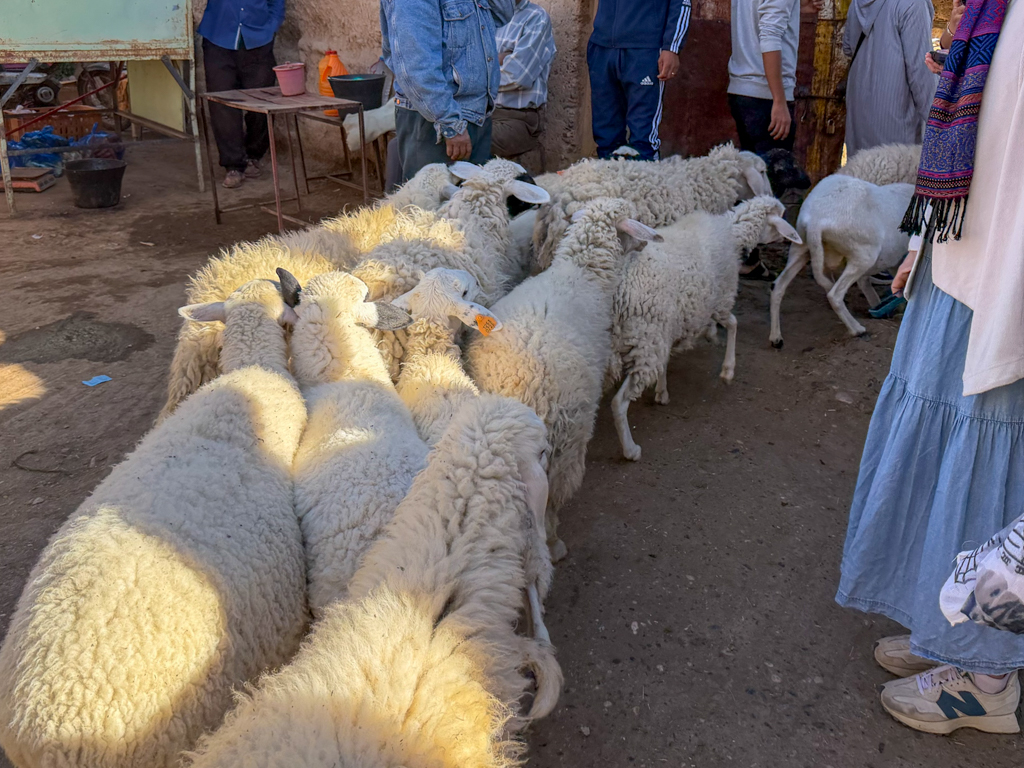
The livestock section was especially energetic – farmers negotiating prices for goats, sheep, and donkeys with quick hand gestures and firm voices. The mix of animal sounds, bargaining and movement were incredibly interesting.
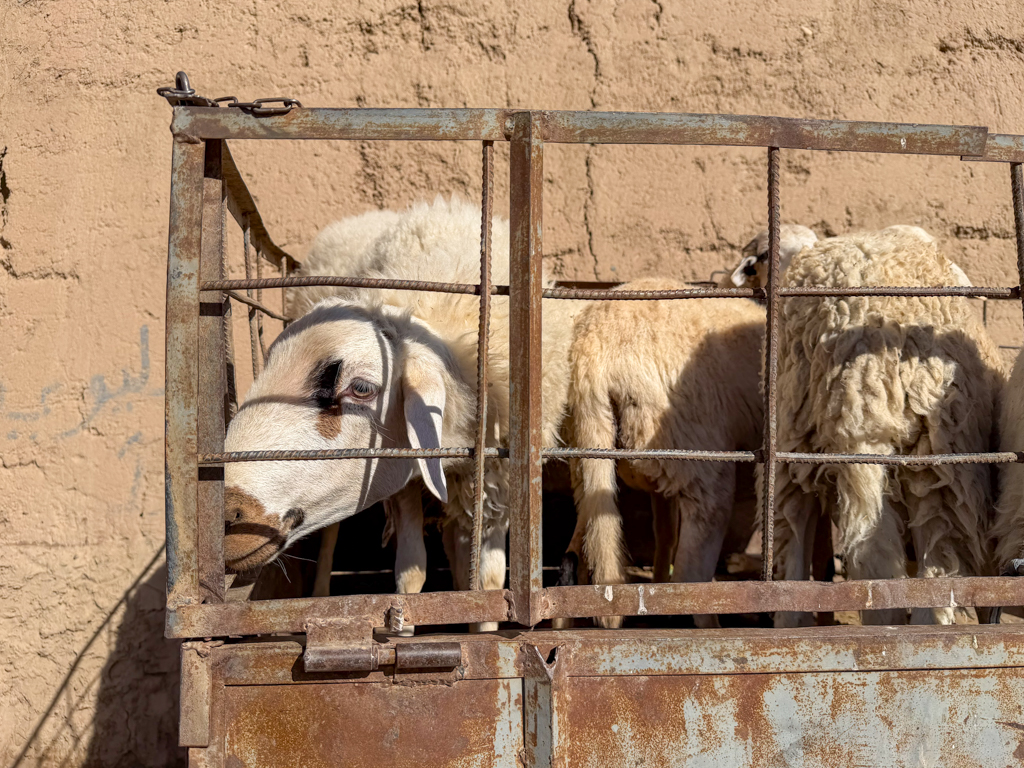
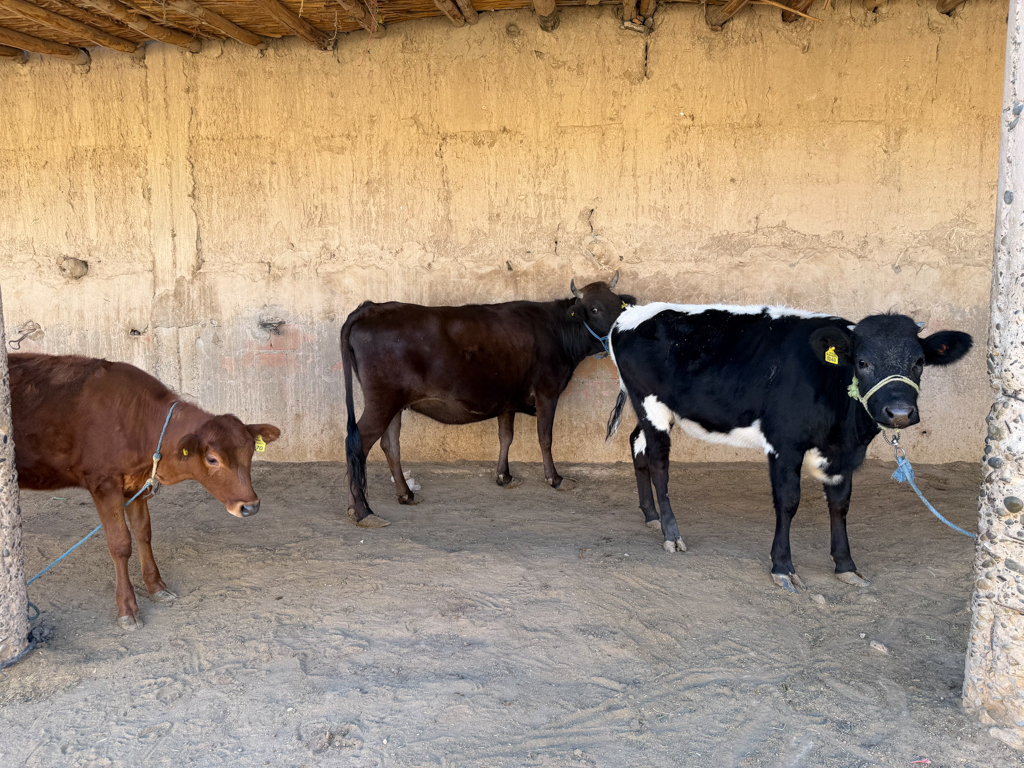
The livestock section stood out the most. Farmers gathered to buy, sell, and trade goats, sheep, and donkeys, and negotiations happened quickly, with hand gestures and brief exchanges.
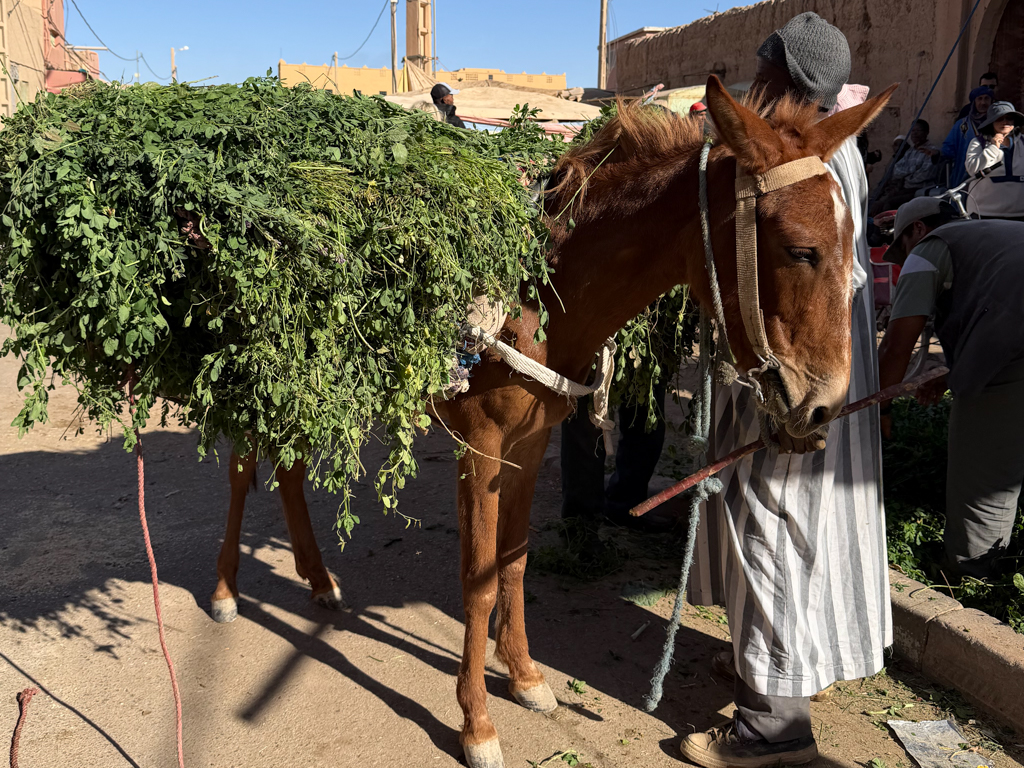
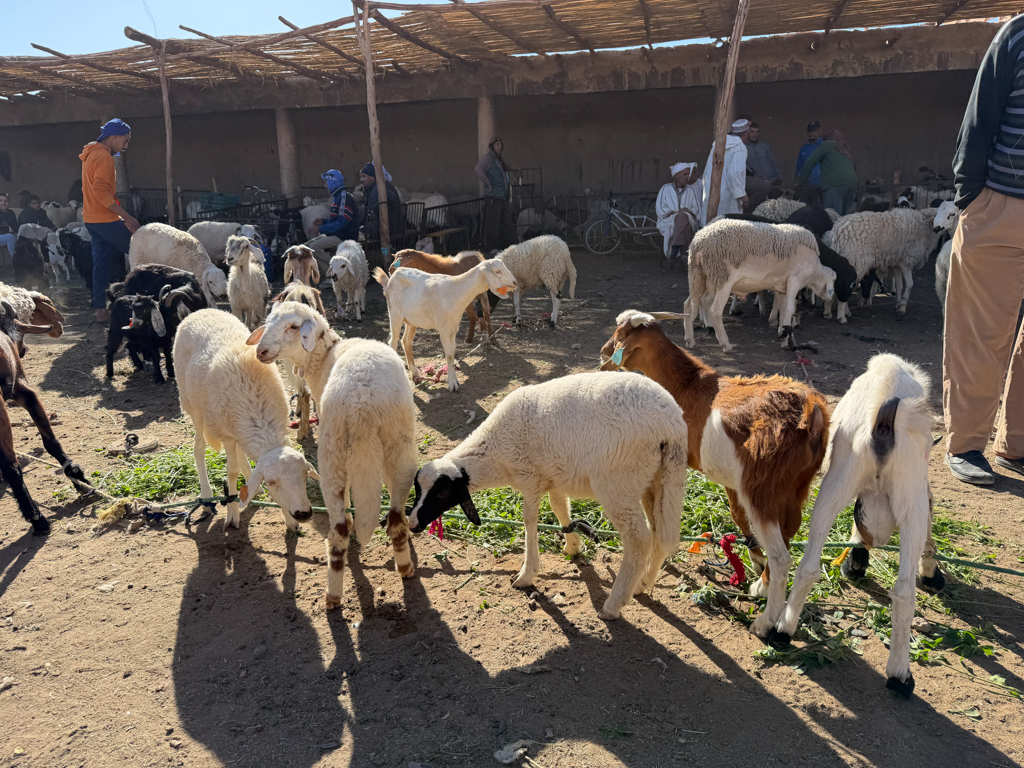
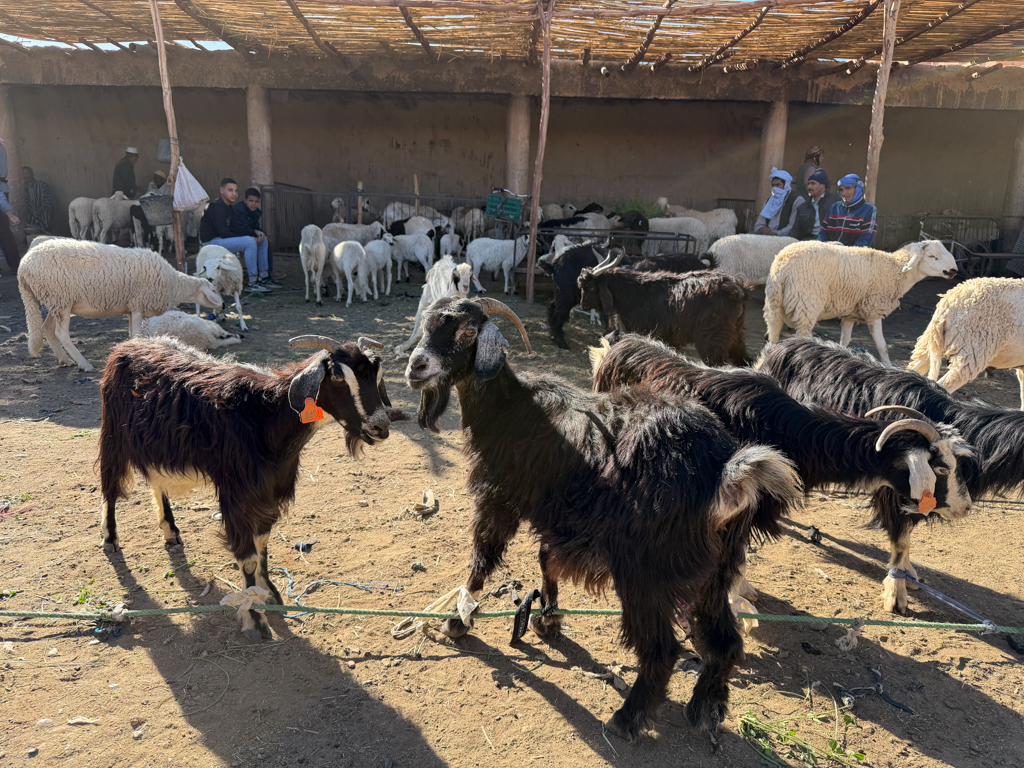
It was all incredibly fascinating. Walking through Rissani Market gave me a simple, honest look at the everyday economy and culture of desert life.
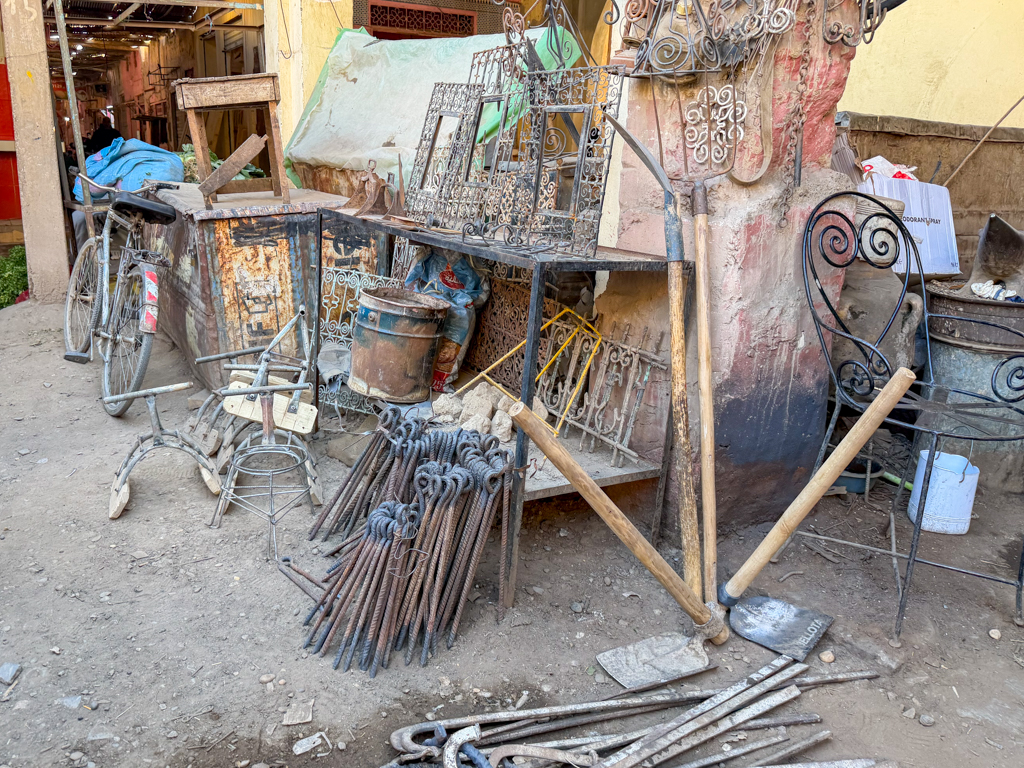
The medina’s artisan areas showed another side of the region’s craftsmanship. At the metalworker area, sparks flew as artisans hammered brass and shaped decorative pieces by hand.
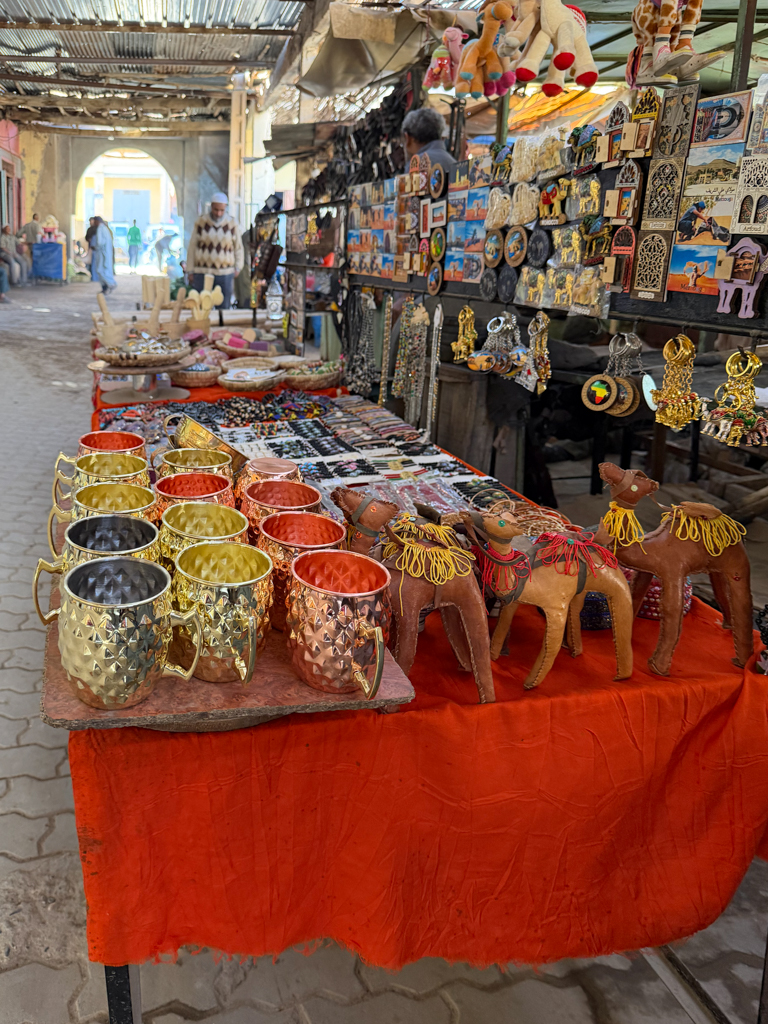
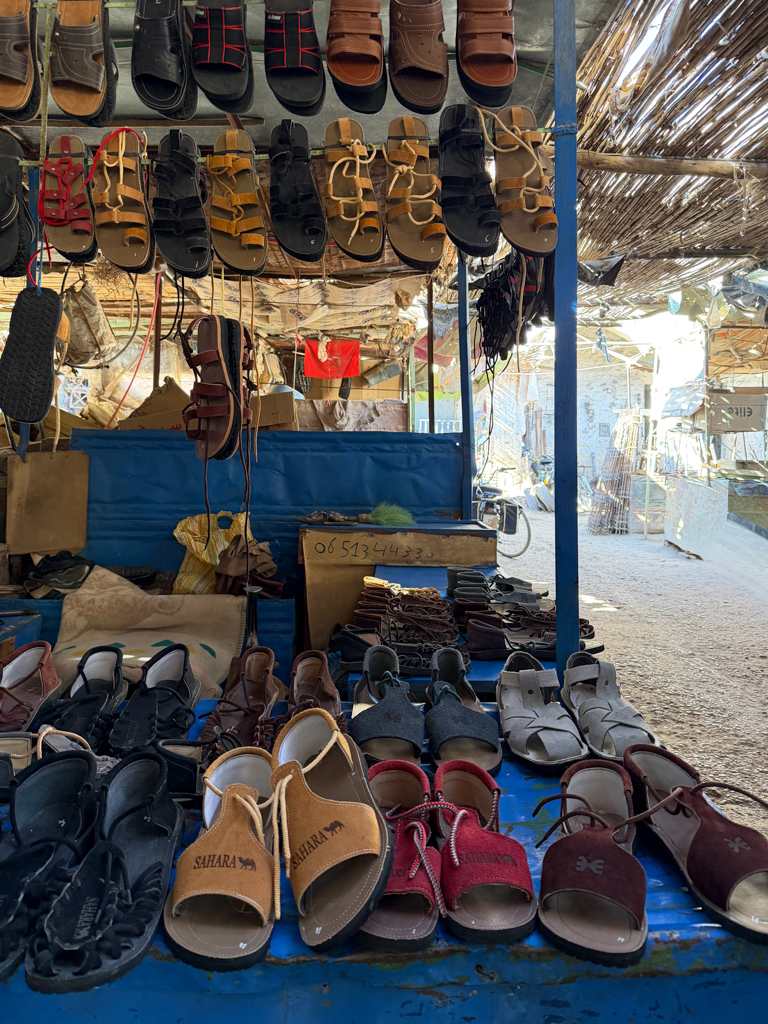
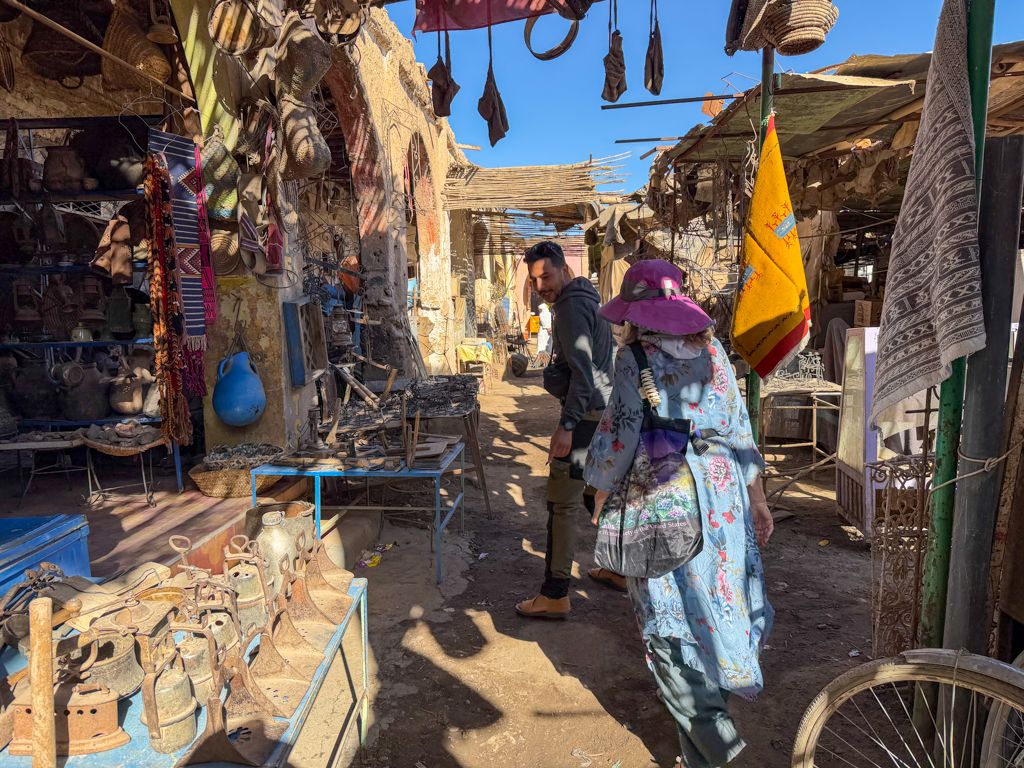
Nearby, a crafts cooperative displayed leatherwork, carpets, and handmade goods created by local families, continuing skills passed down through generations.
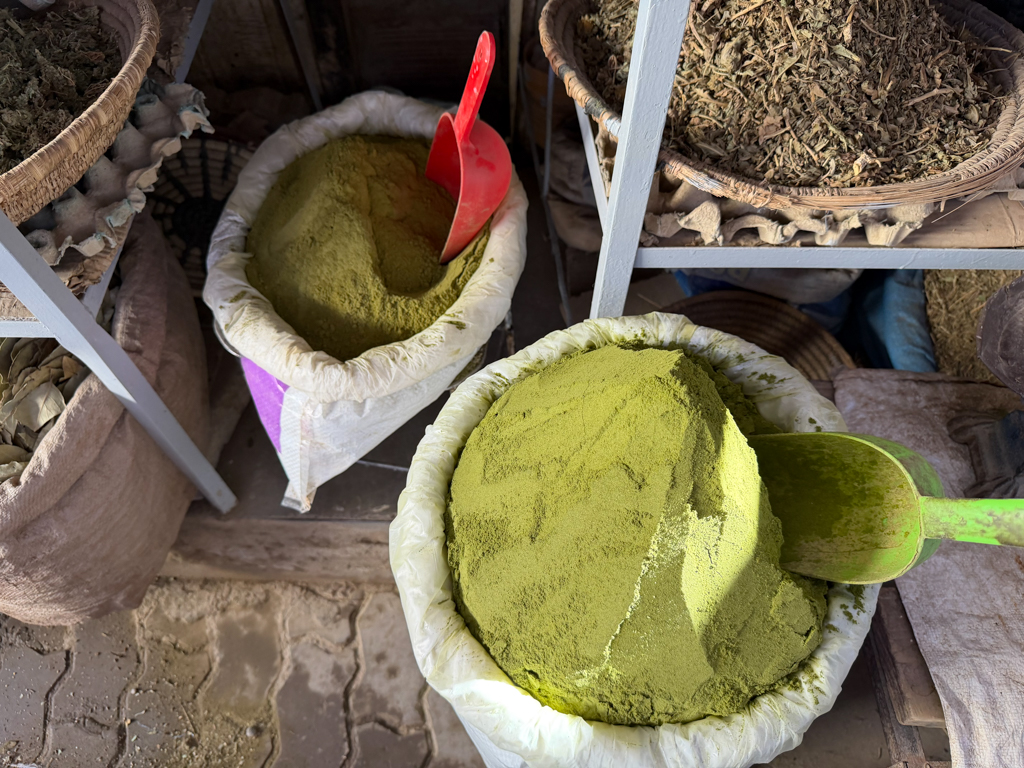
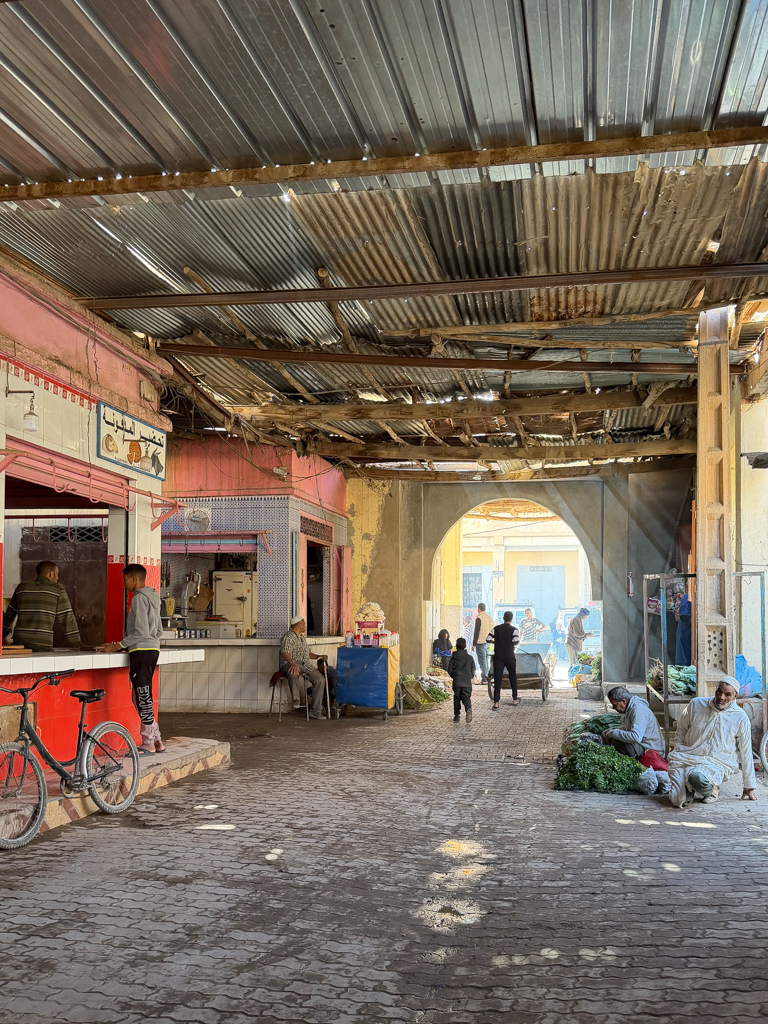
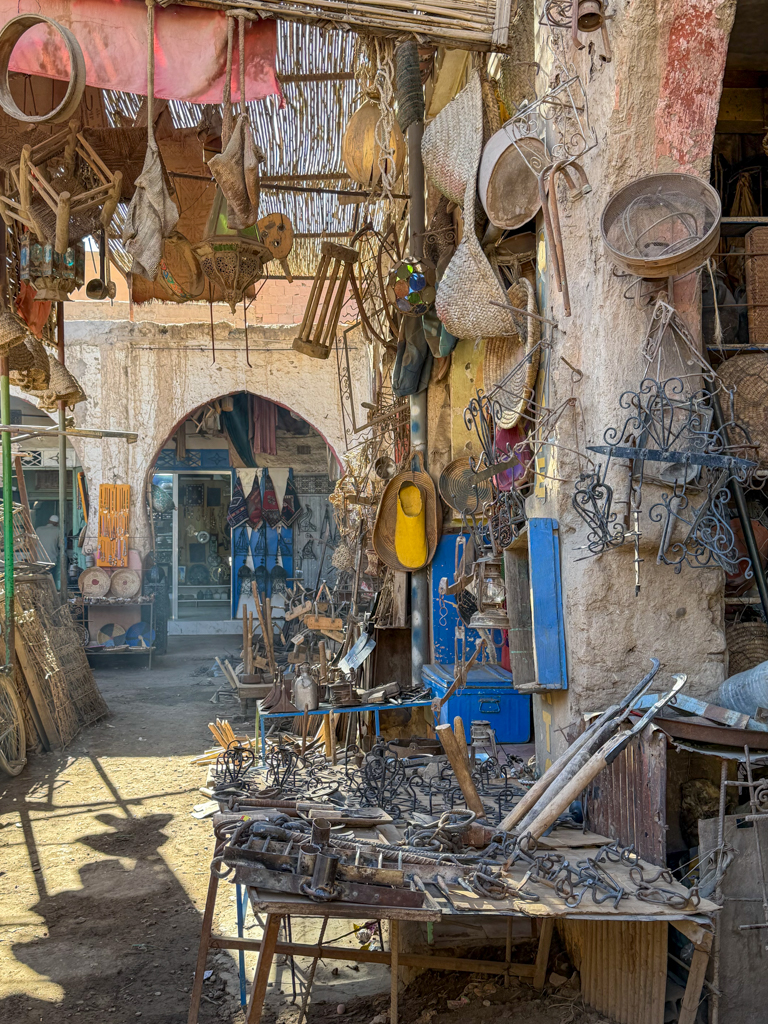
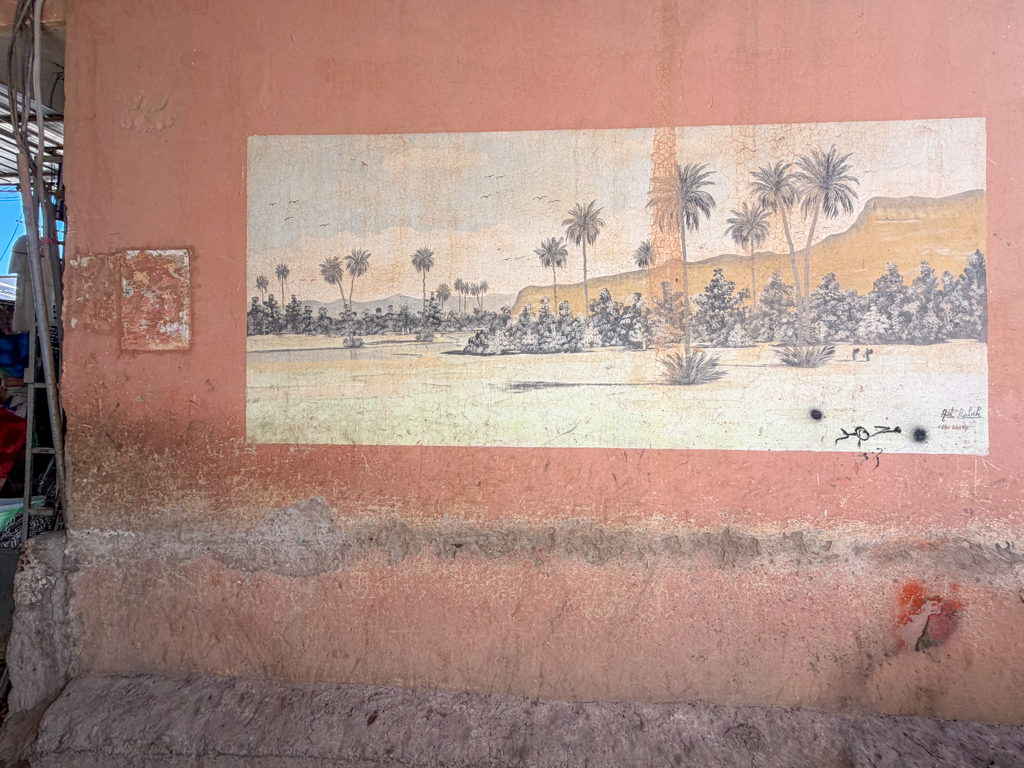
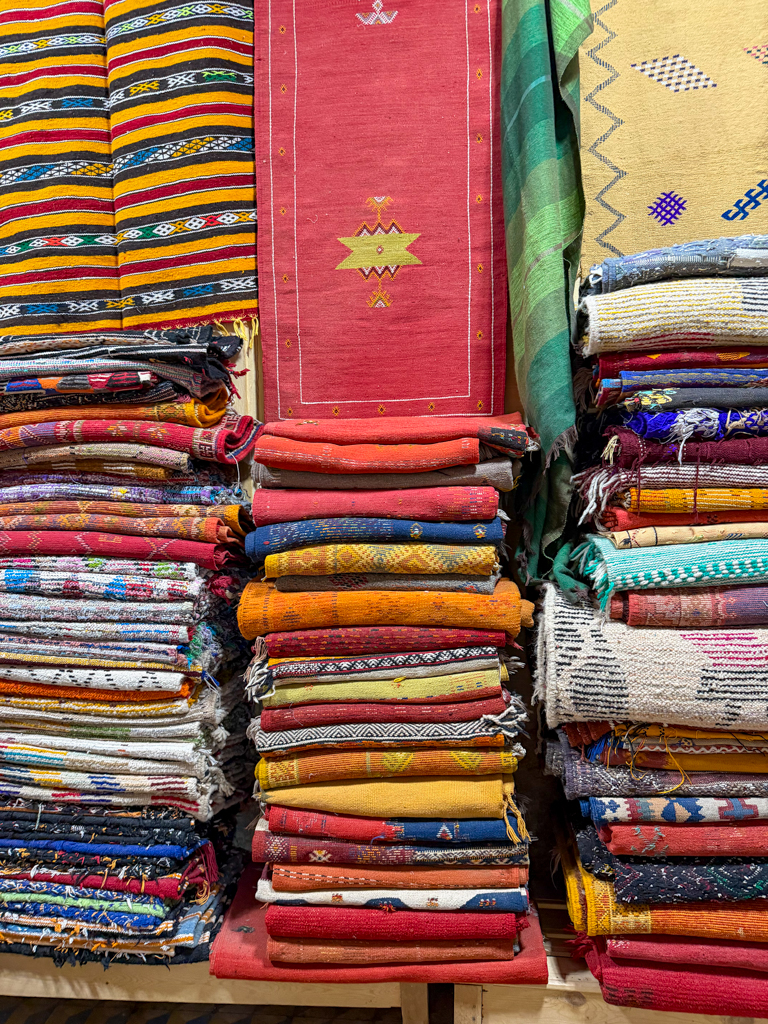
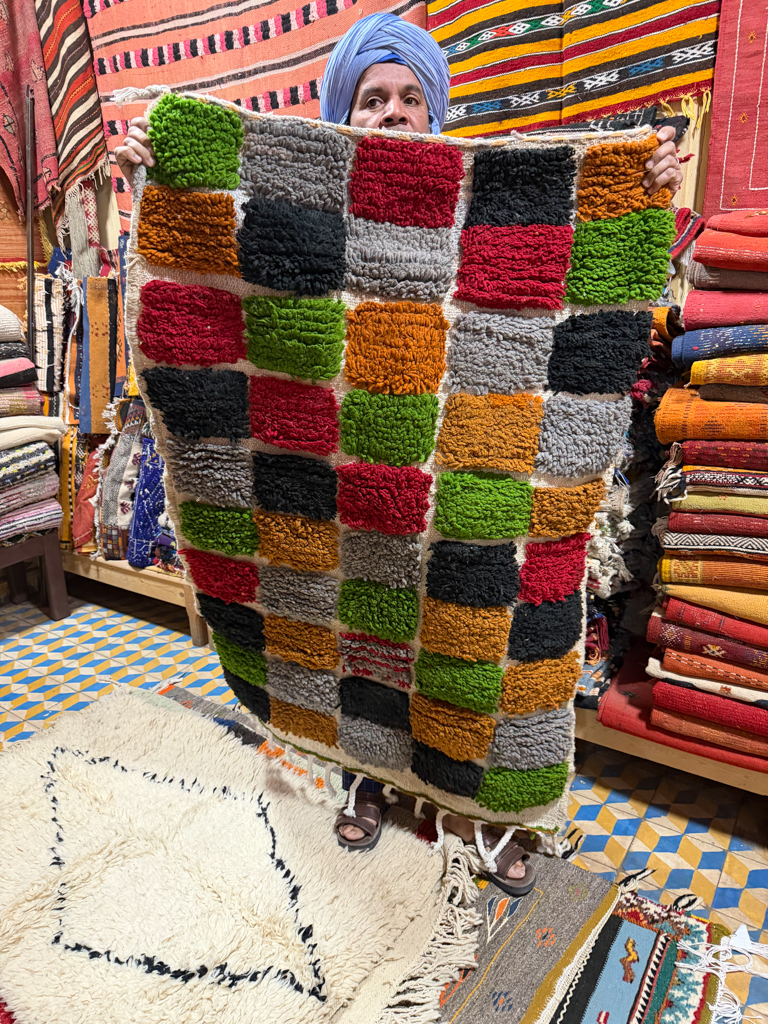
Together, these stops highlighted how Rissani blends its trading past with living artisanal traditions, offering a real look at the culture and economy of Morocco’s desert communities.
Maco Fossiles Kasbah
CQ84+P8G, N13, Errachidia, Morocco
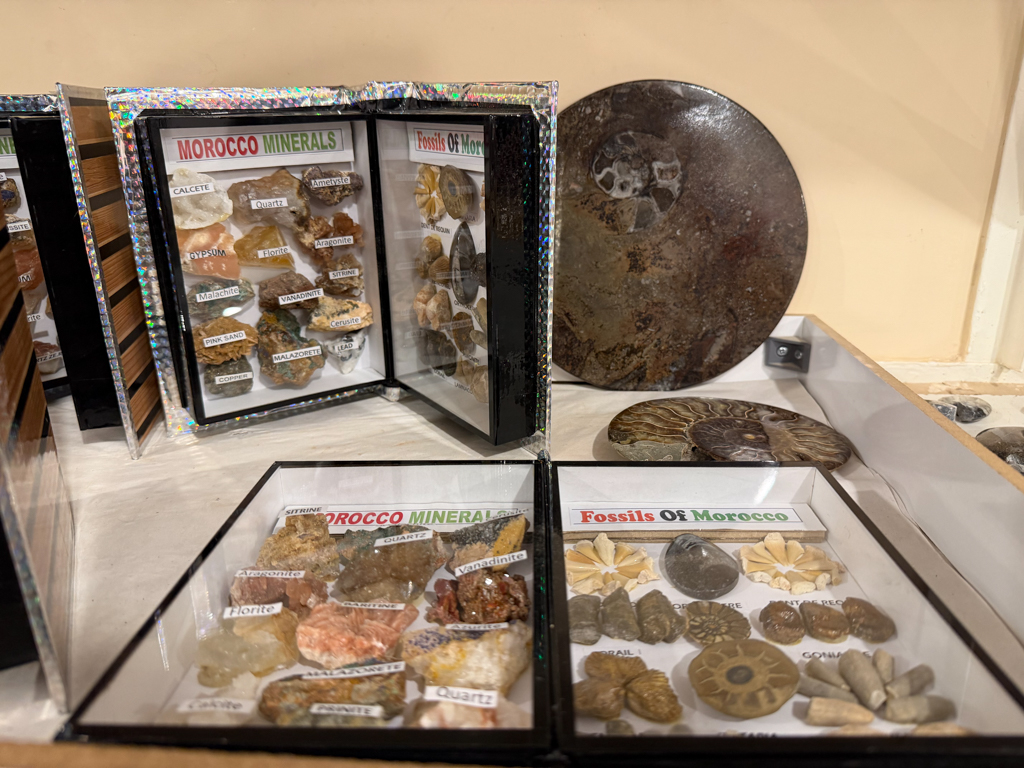
Maco Fossiles Kasbah offered a fascinating look into Morocco’s deep geological history, with many of its fossils sourced from the ancient seabeds and limestone layers around Erfoud and Rissani – regions that were underwater more than 300 million years ago.
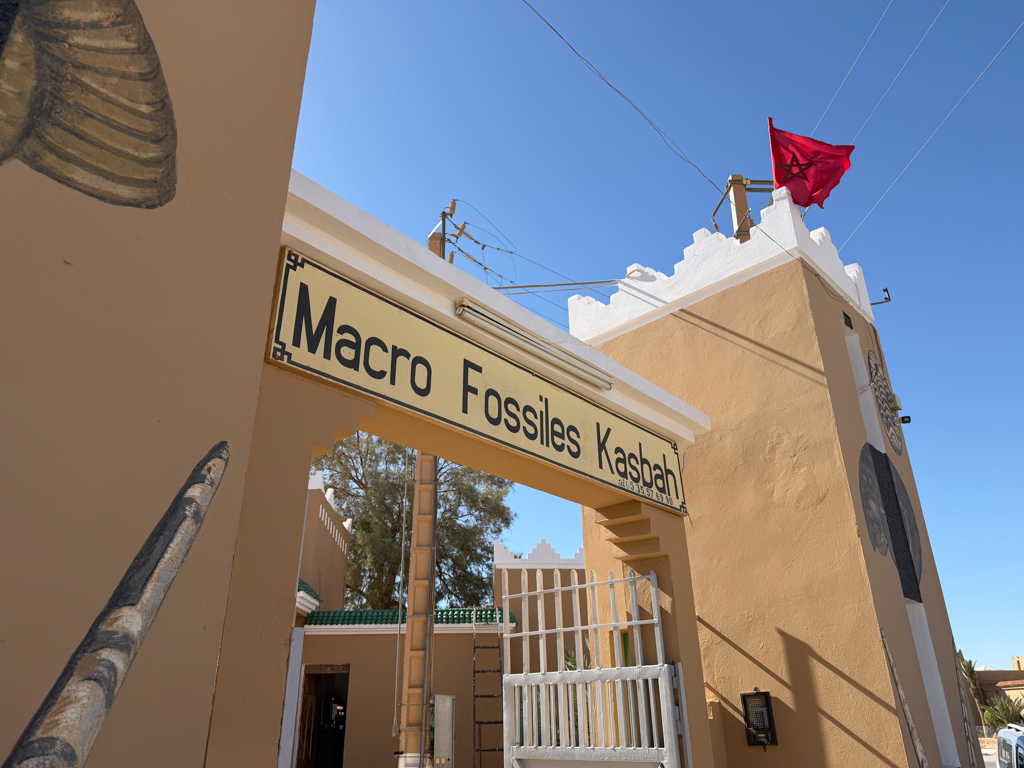
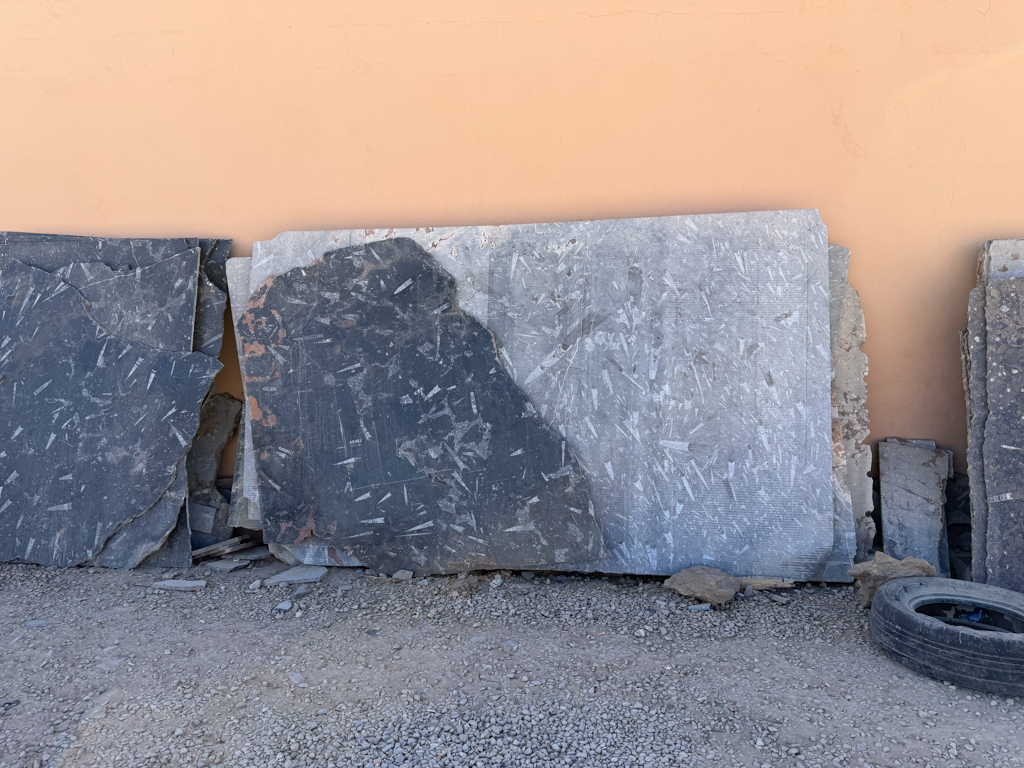
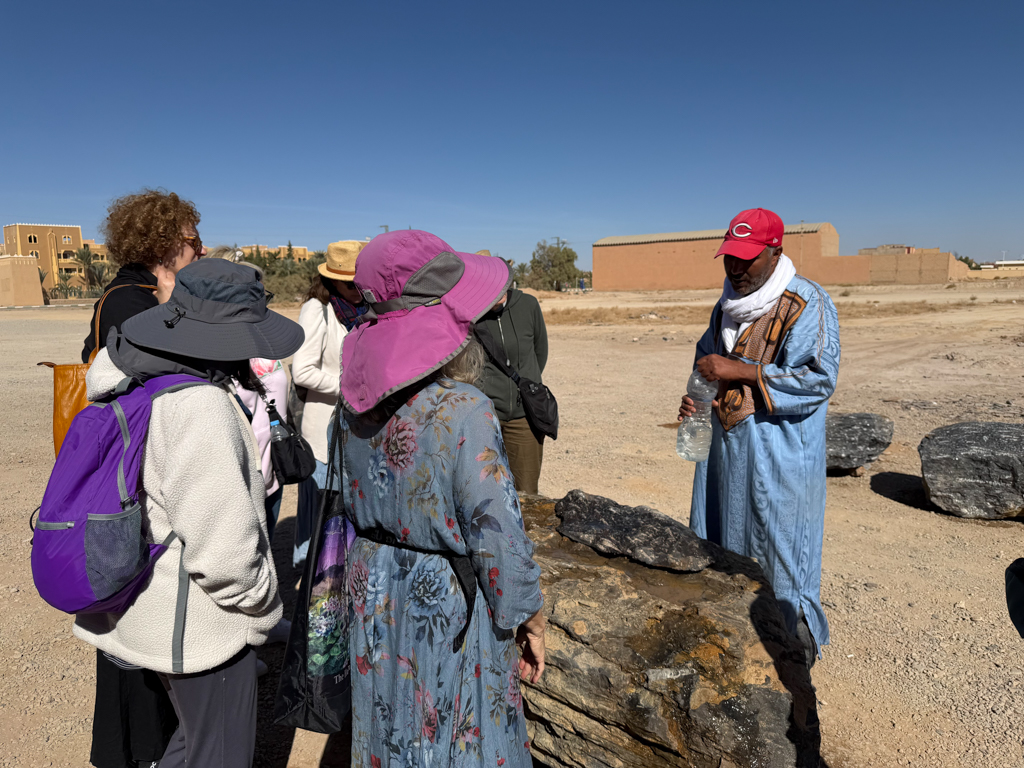
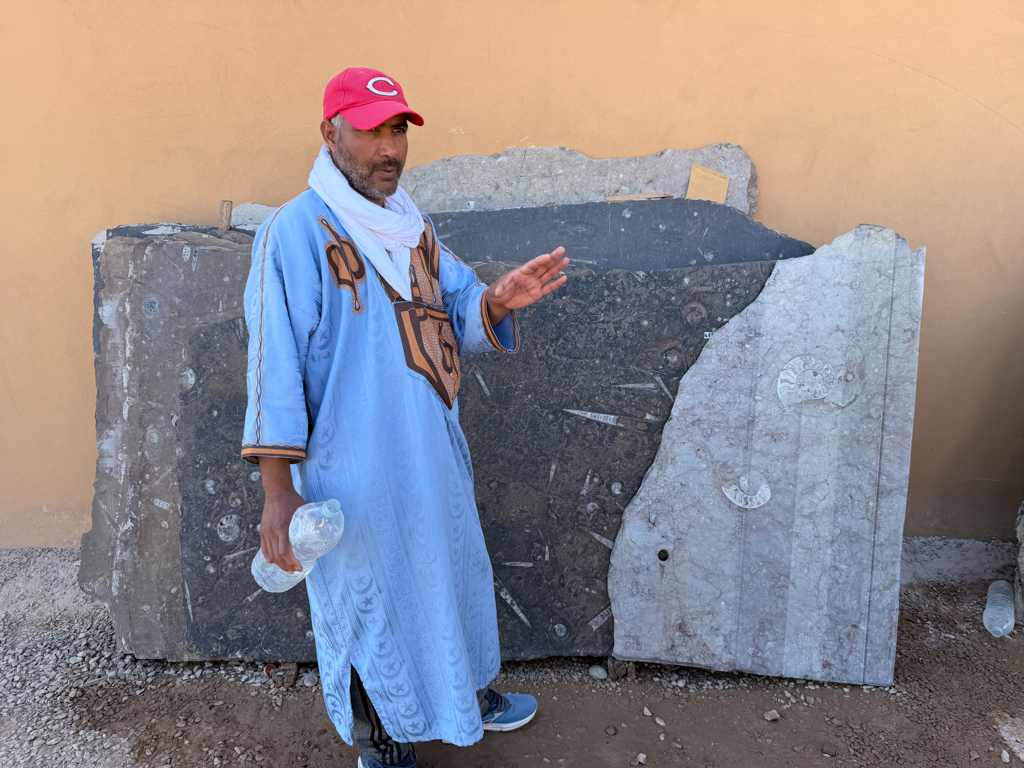
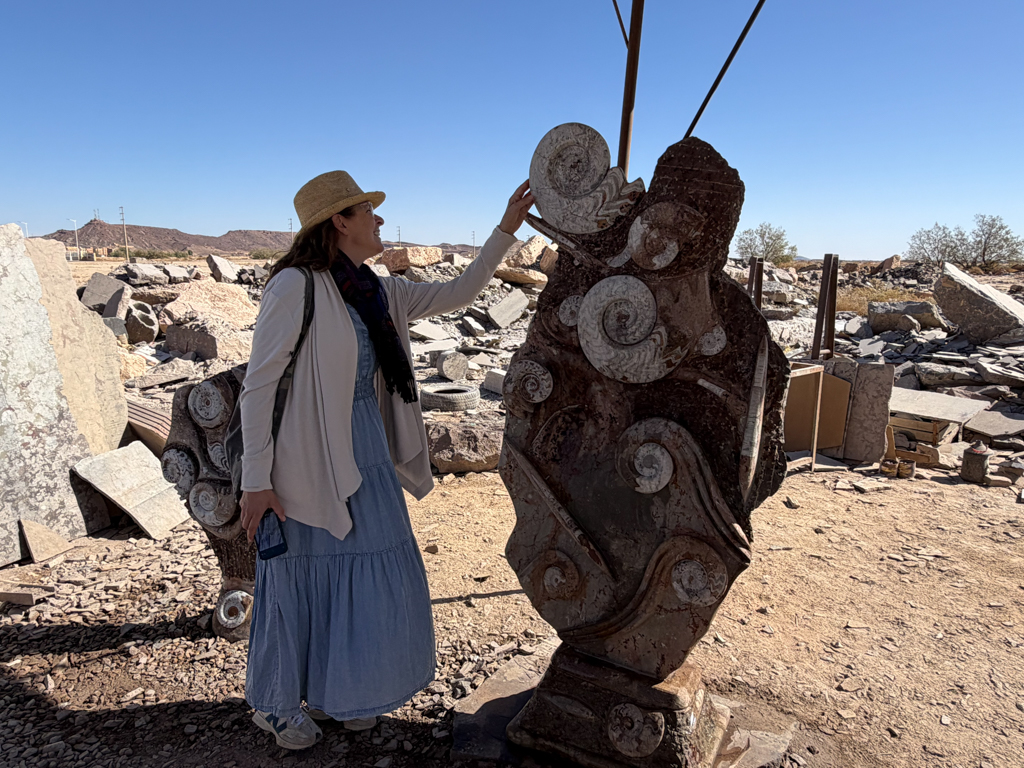
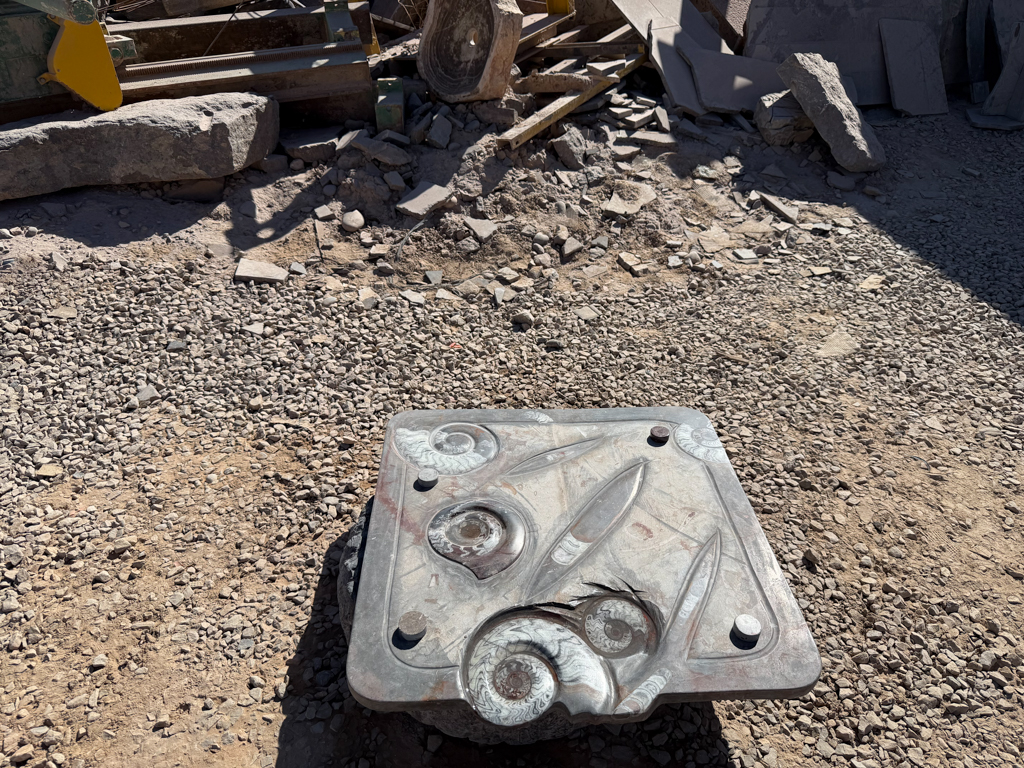
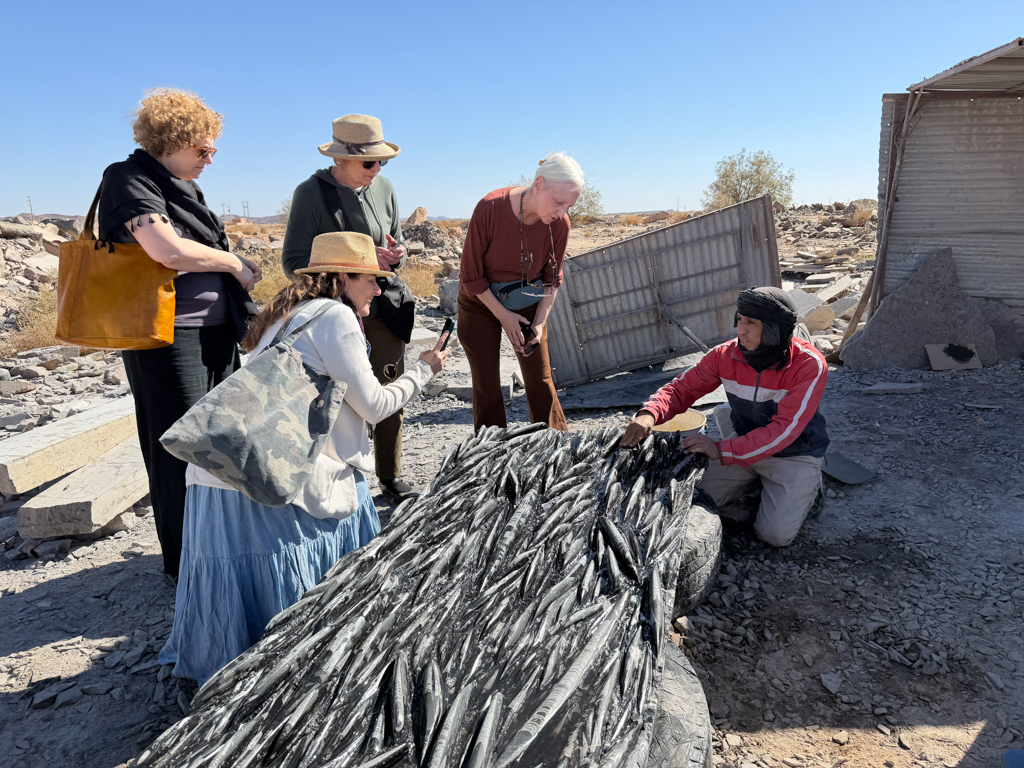
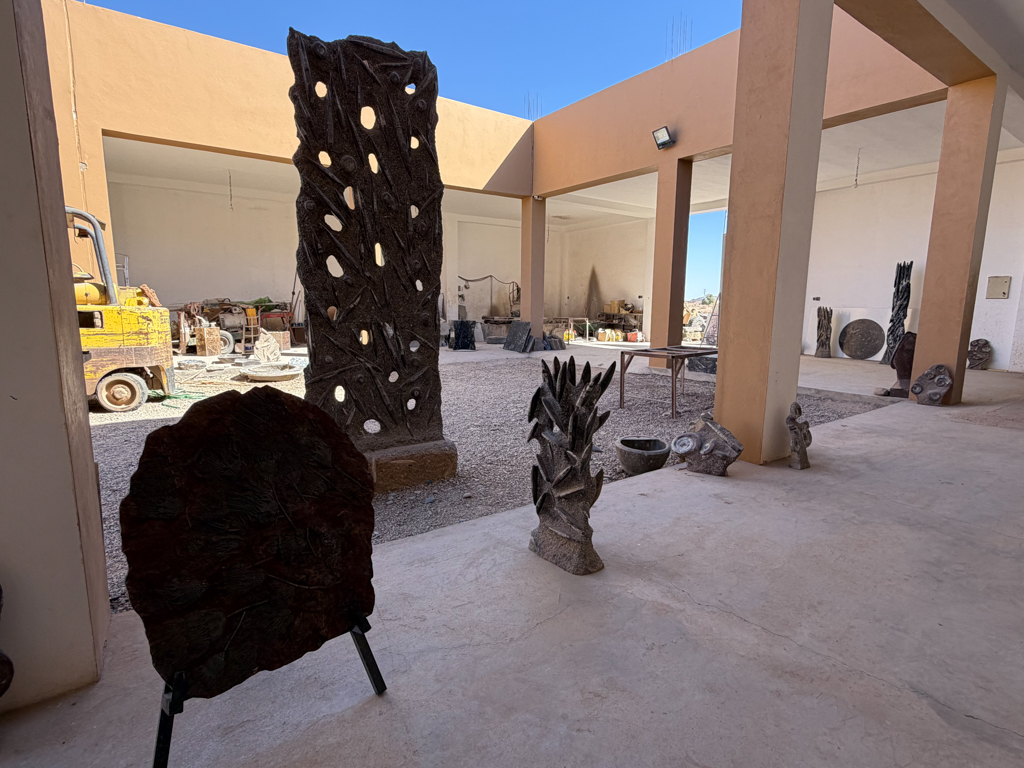
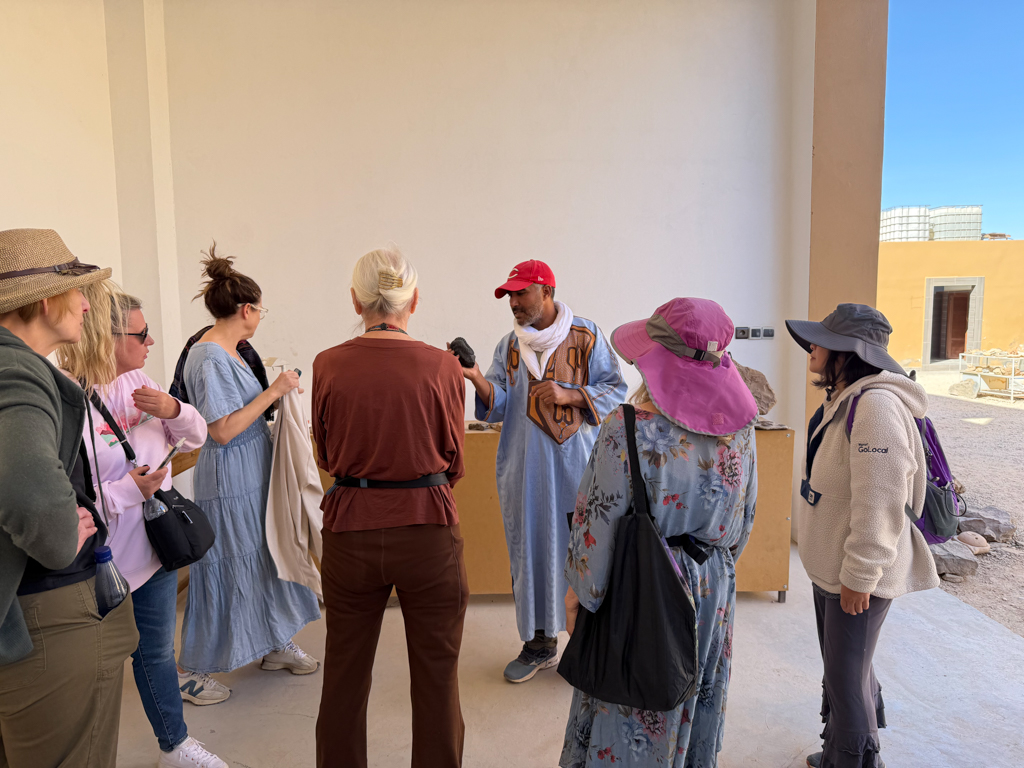
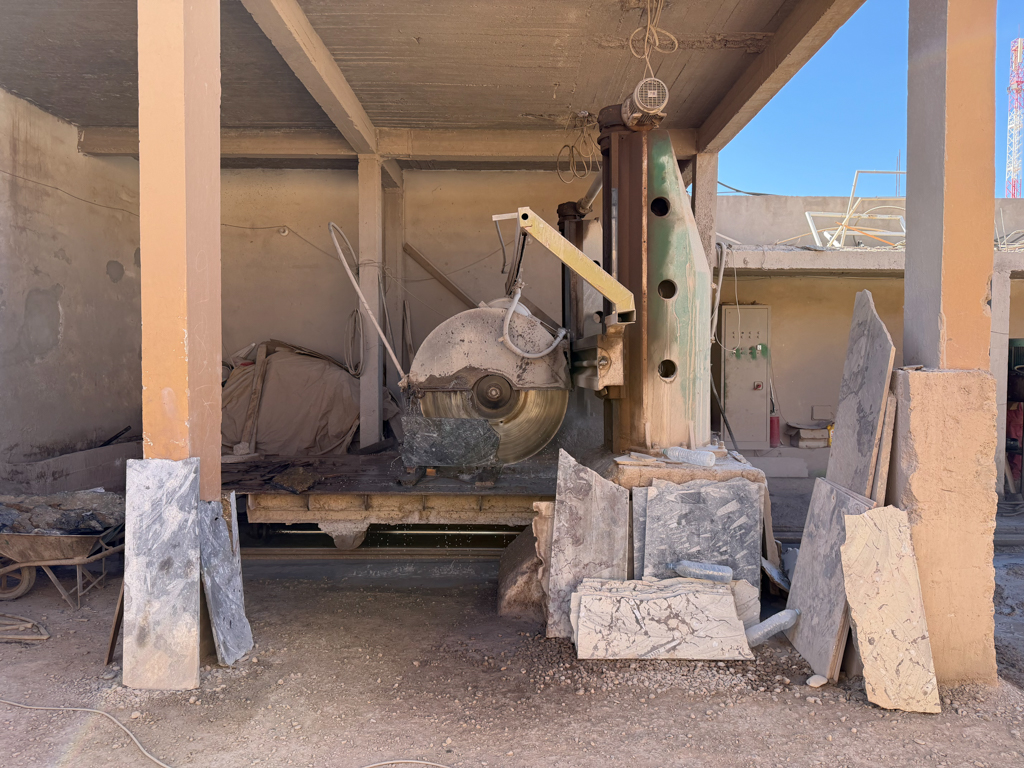
These desert areas hold some of the country’s richest fossil deposits, and the kasbah showcases what has been uncovered. Inside the workshop, we watched skilled artisans use saws, grinders, and hand tools to carve fossils out of rough stone blocks, revealing ammonites, trilobites, and other prehistoric shapes hidden inside.
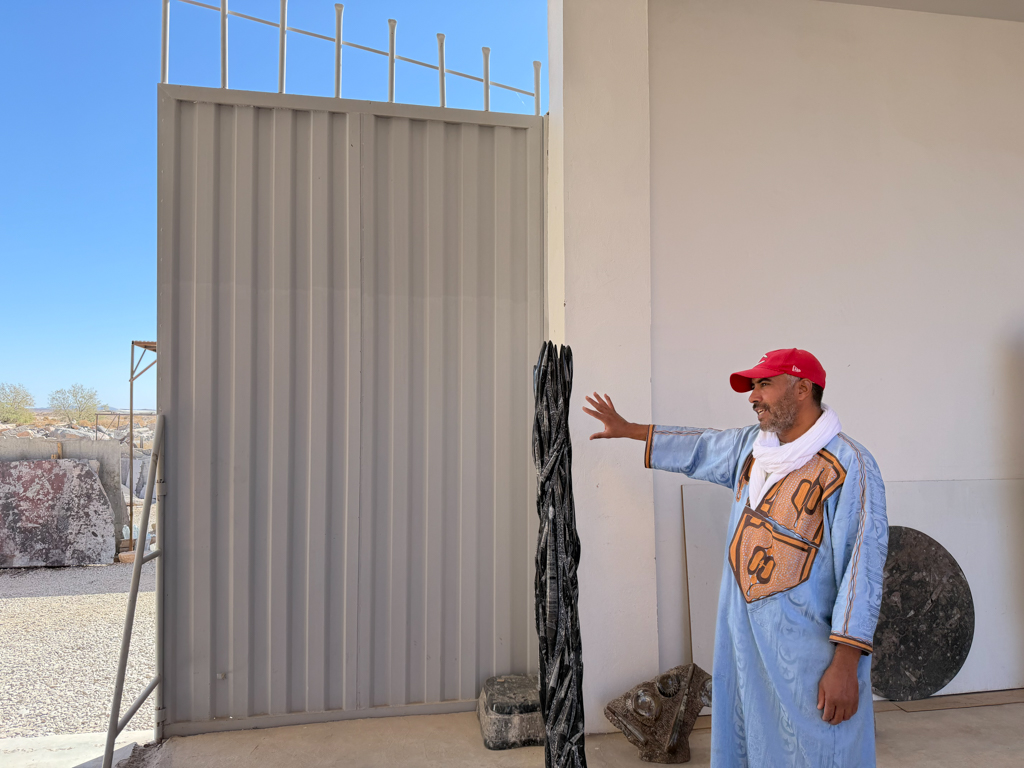
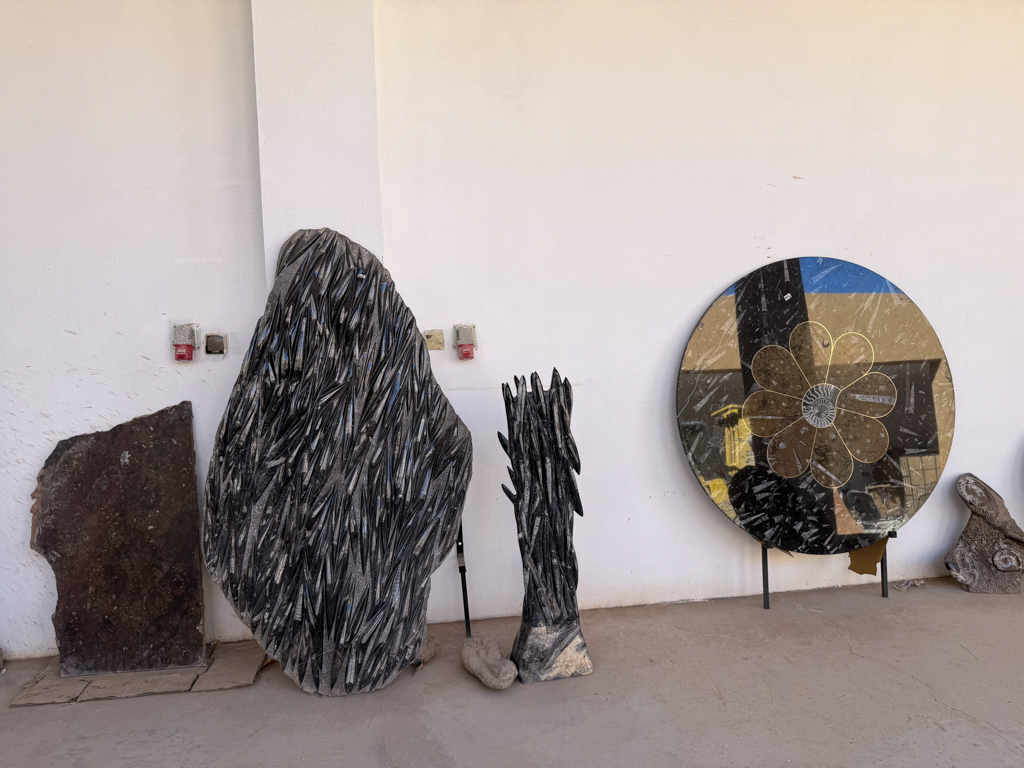
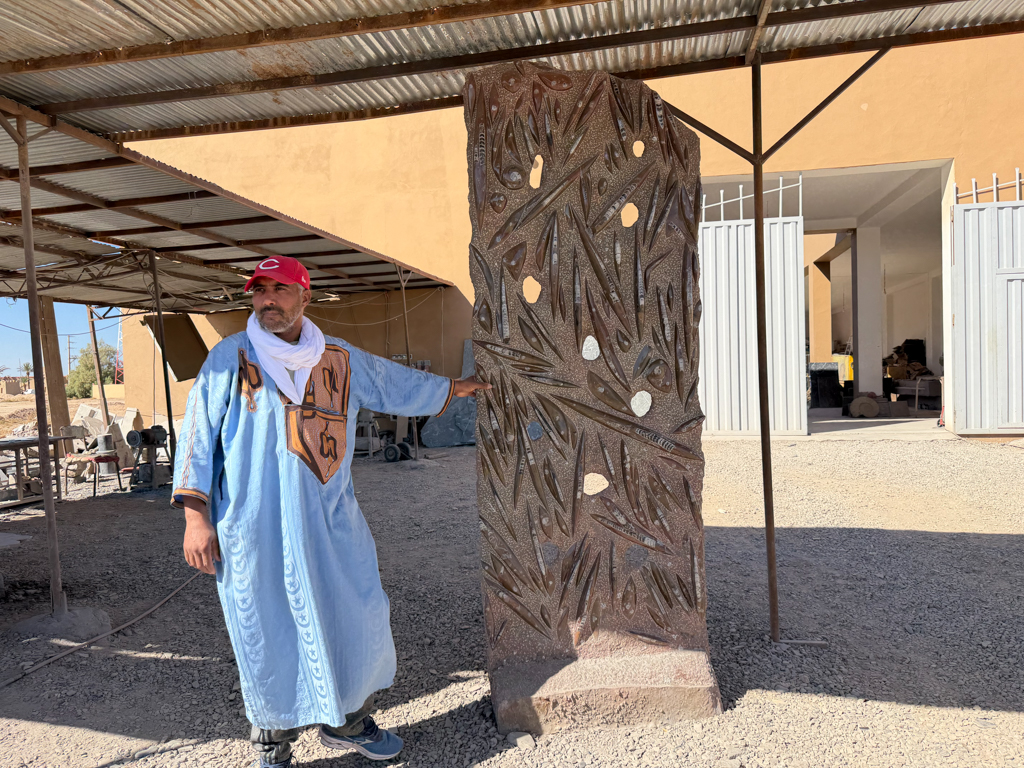
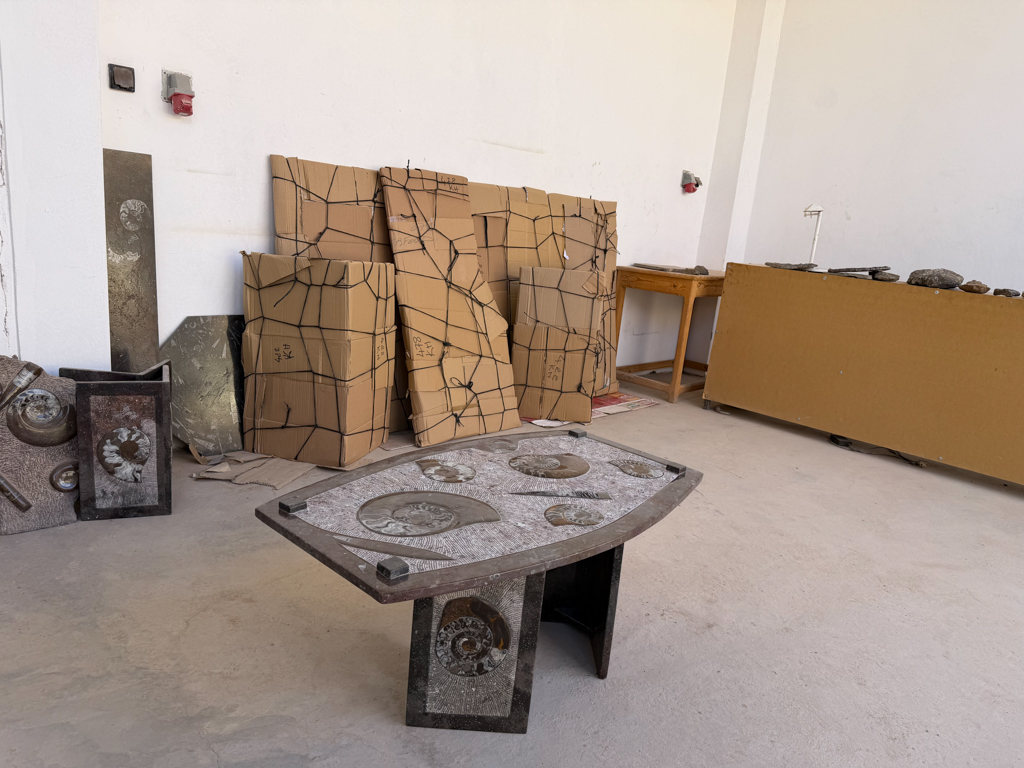
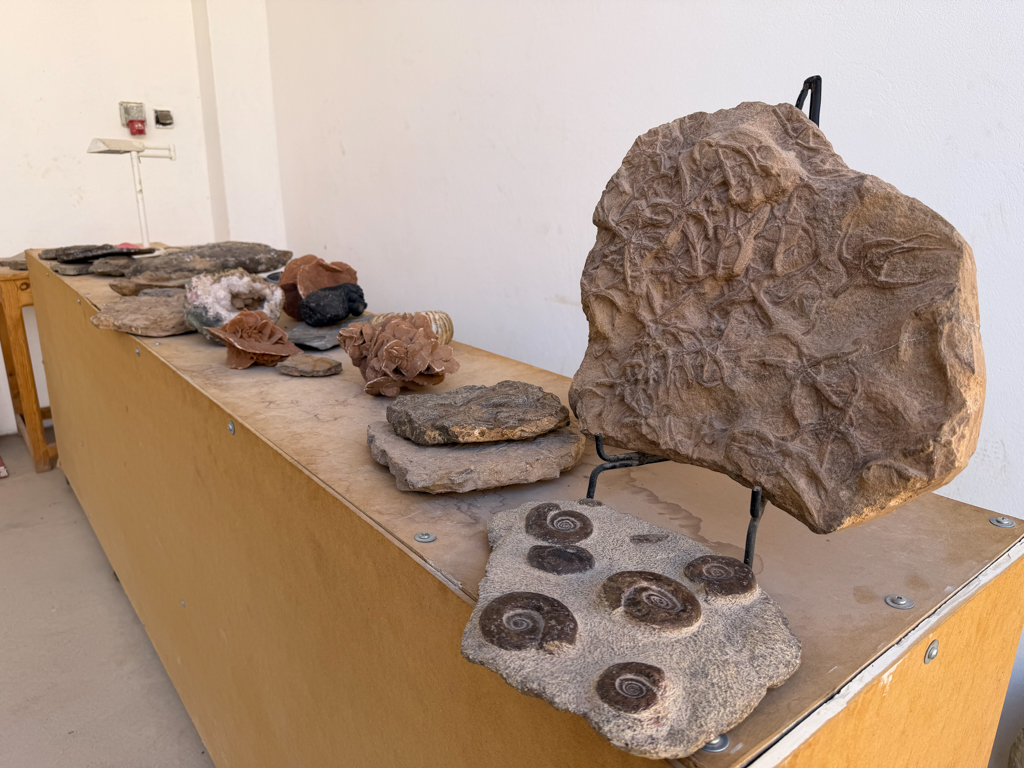
They then shaped the stone into tabletops, sculptures, and decorative pieces, combining geology with craftsmanship. Seeing fossils emerge from the rock made me think about how long they’ve been here and how they’ll continue to exist long after me, a simple reminder of the scale of time compared to our own lives.
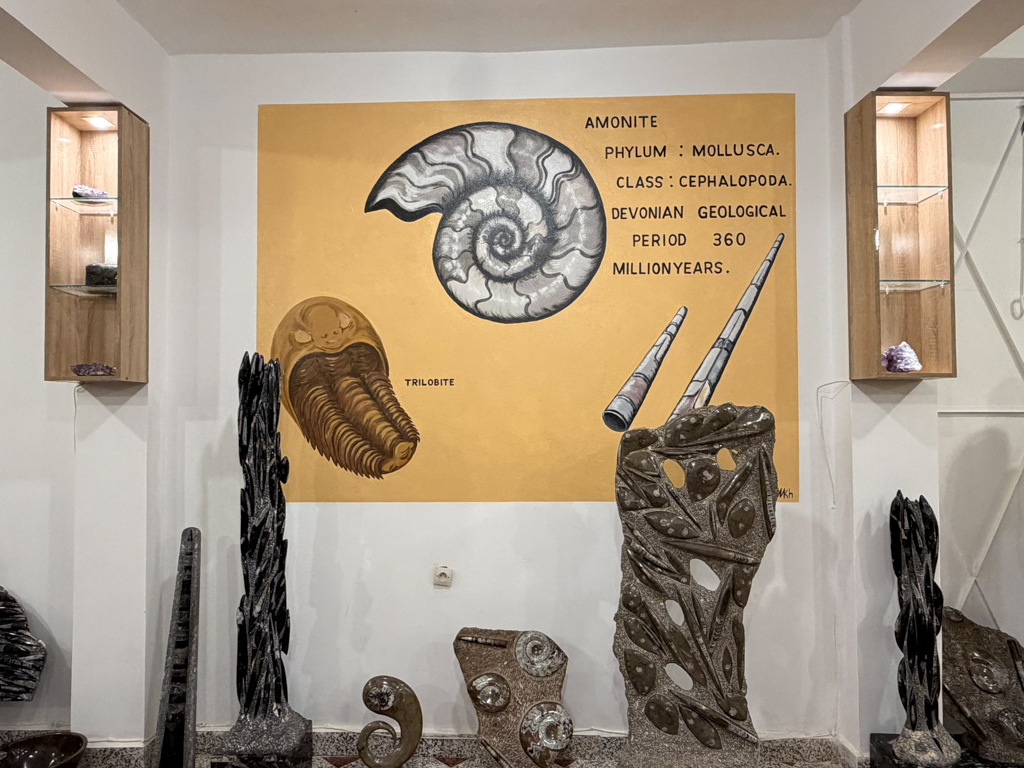
Together, these two visits offered a look at how tradition, trade, and deep geological history shape this part of Morocco in ways that are still felt today.
Related Reviews
 The Road to Marrakech: Atlas Film Studios, the Ksar of Ait-Ben-Haddou, Akhnif Glaoui Carpet Co-Operative and Argan Tichka
 Into the Skoura Valley: The Dadès Gorges, Bara Essence Rose Water and Kasbah Amridil
 Casablanca Walking Tour: History & Landmarks by Airbnb Experiences
 From Fes to the Sahara: Ifrane, Cedar Forest Monkeys, Berber Culture and the Desert