During lunch at Casa Aladdin Restaurant, Kim and Rachid introduced us to Fatima, our tour guide for the day, and from the very beginning she blended local stories with the rich history of Chefchaouen.
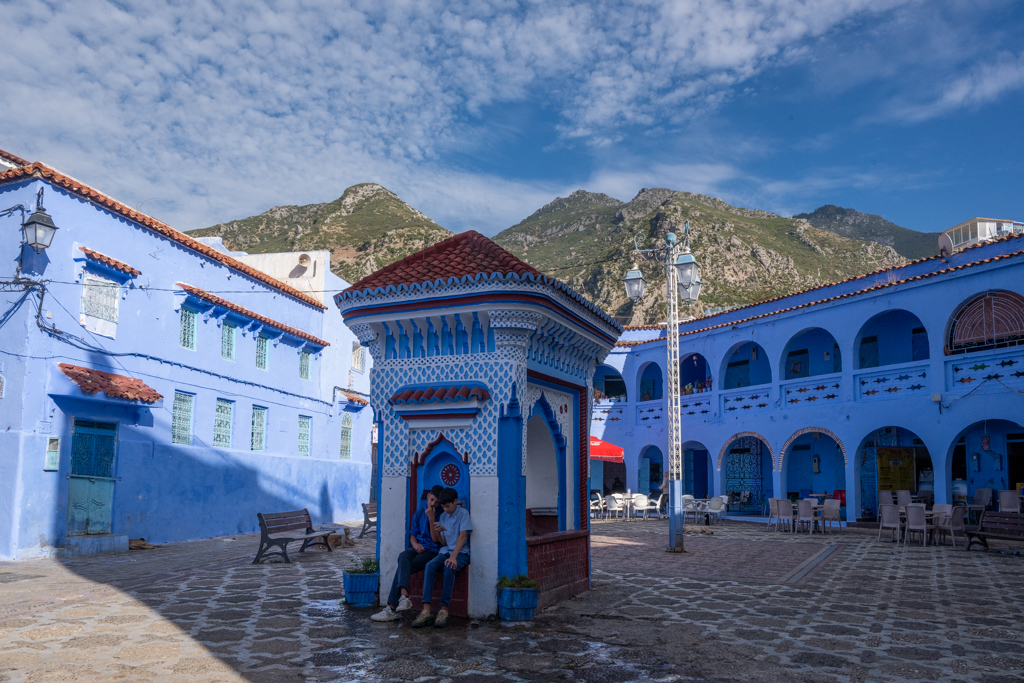
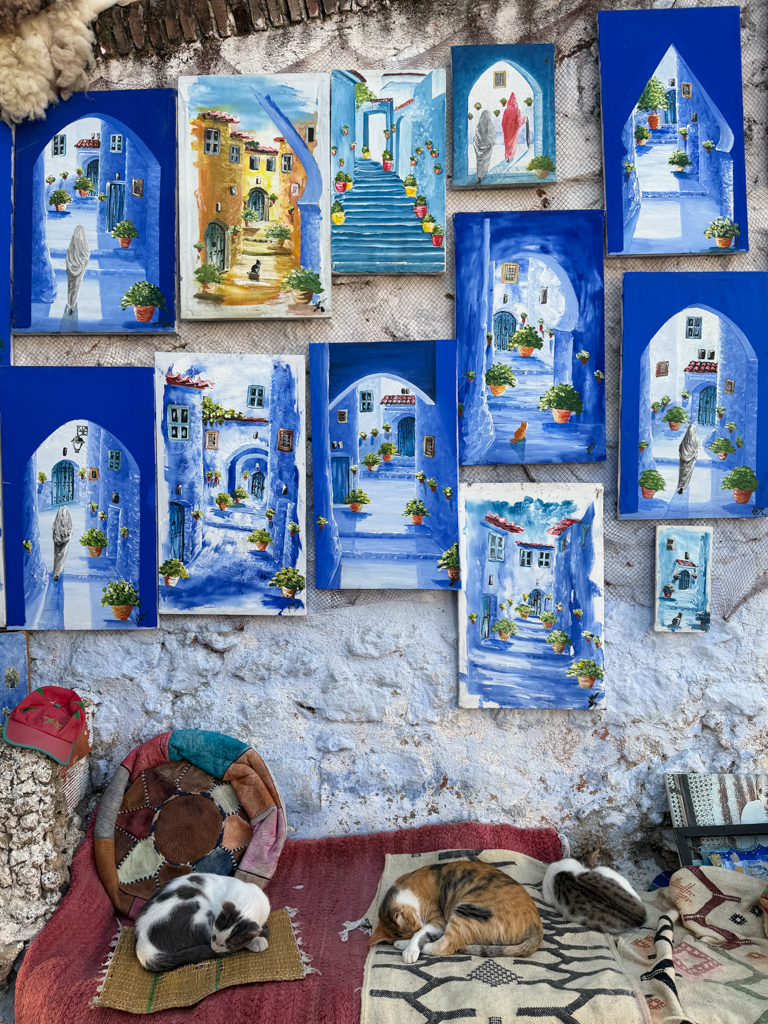
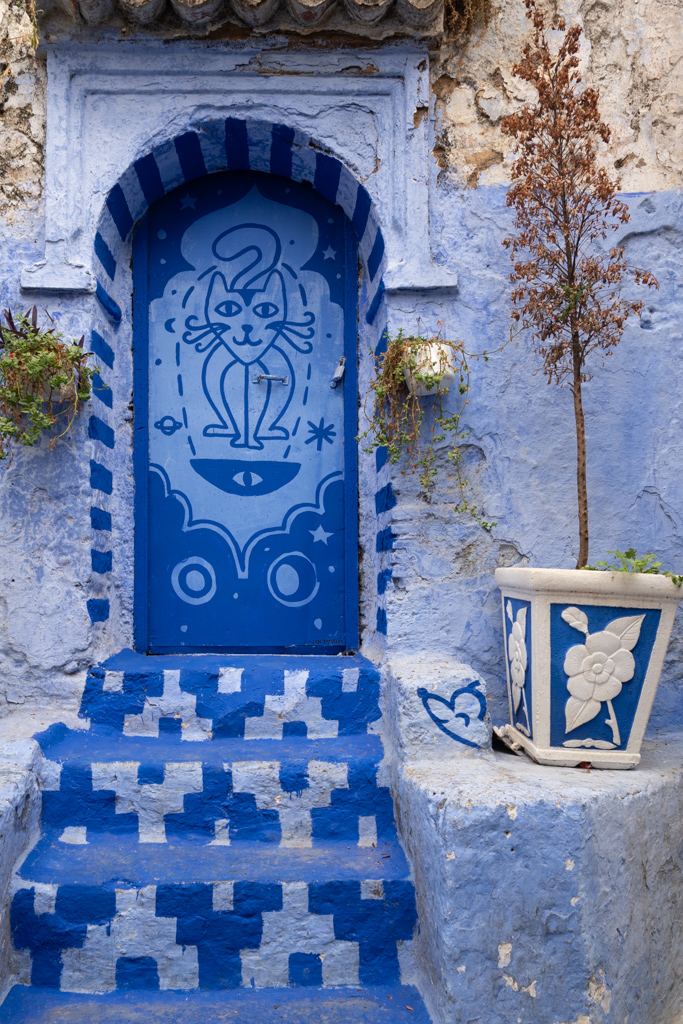
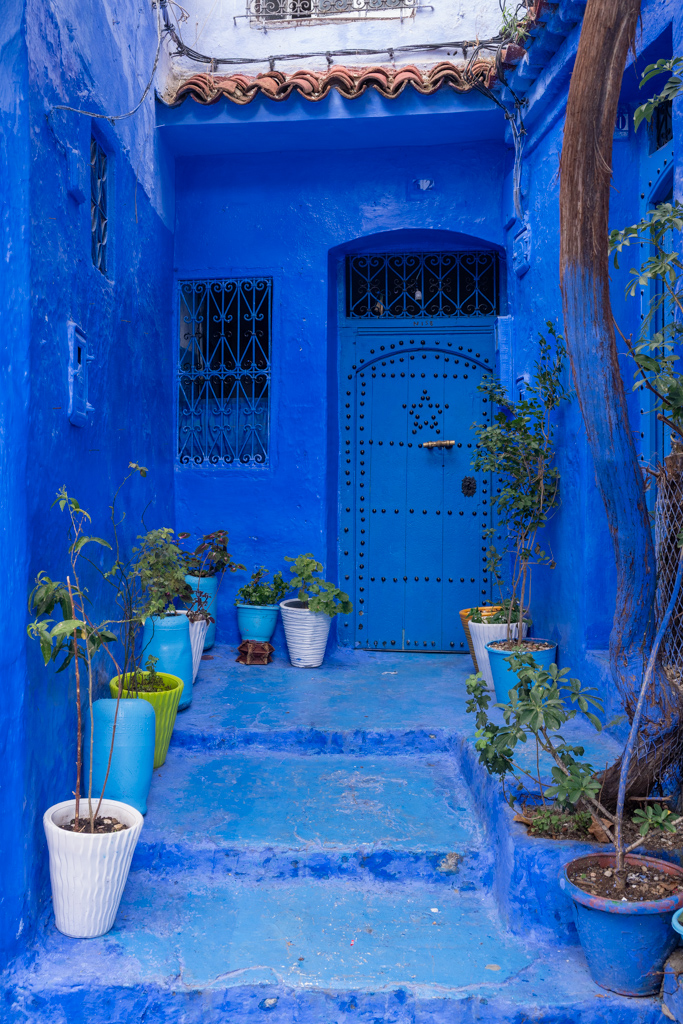
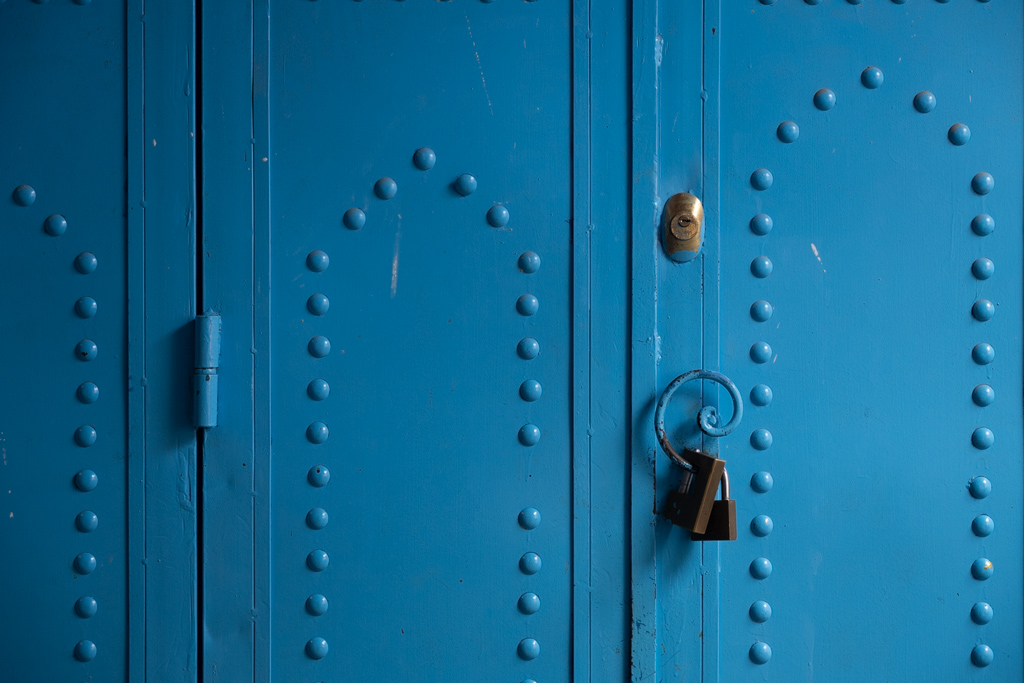
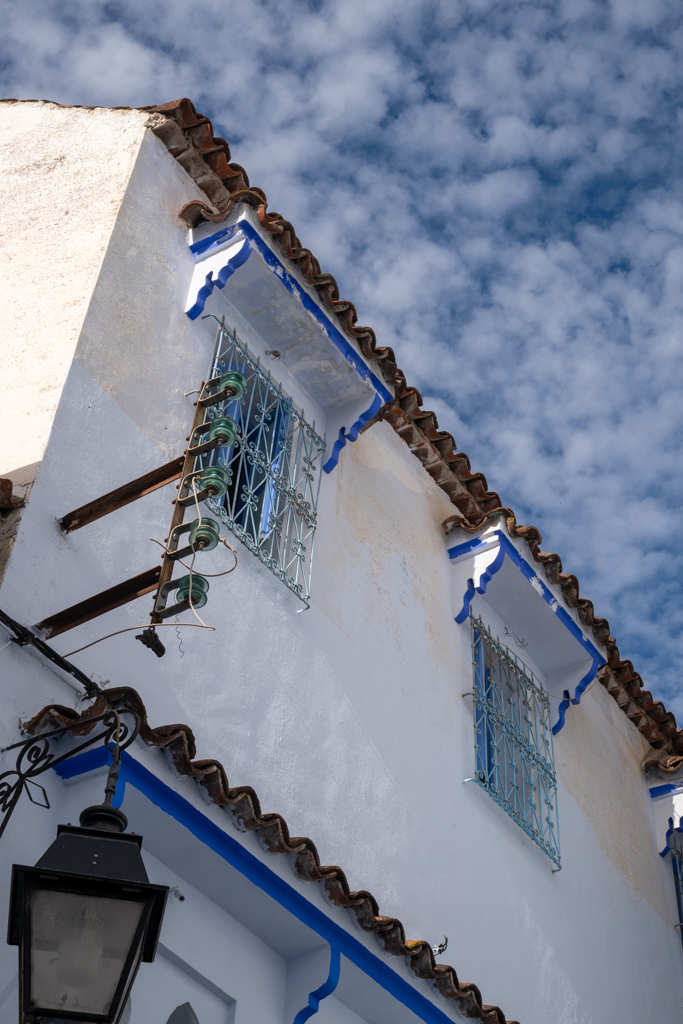
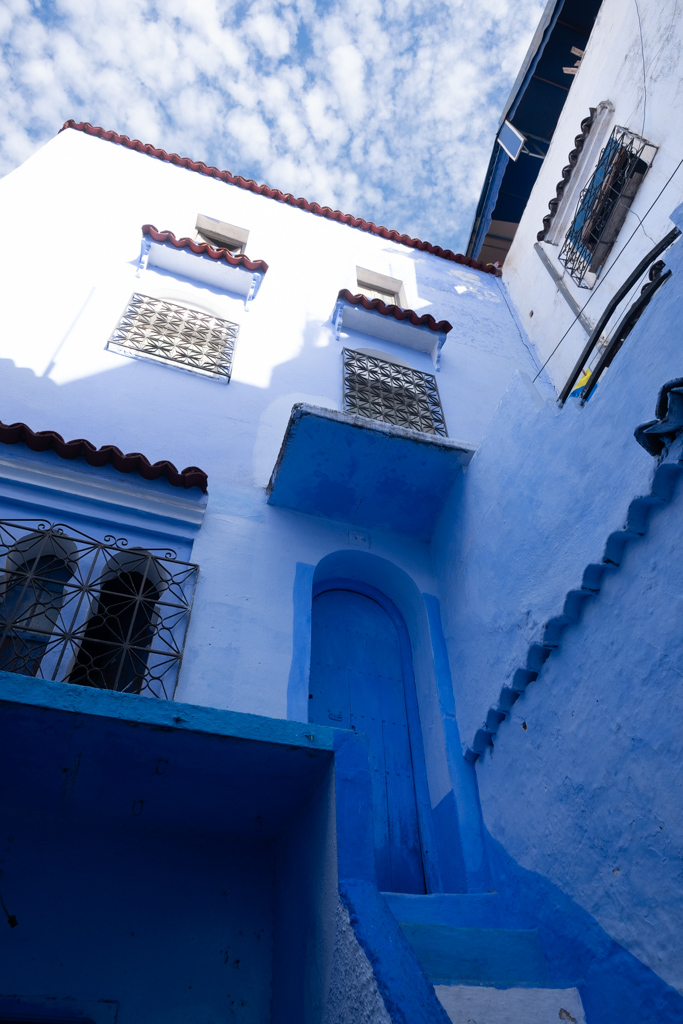
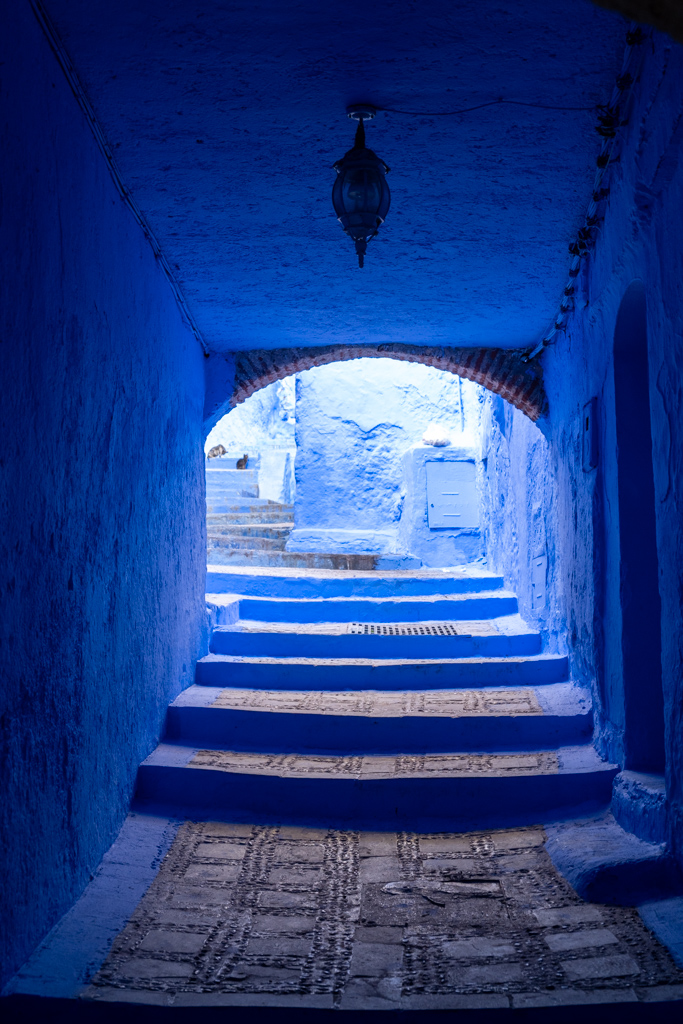
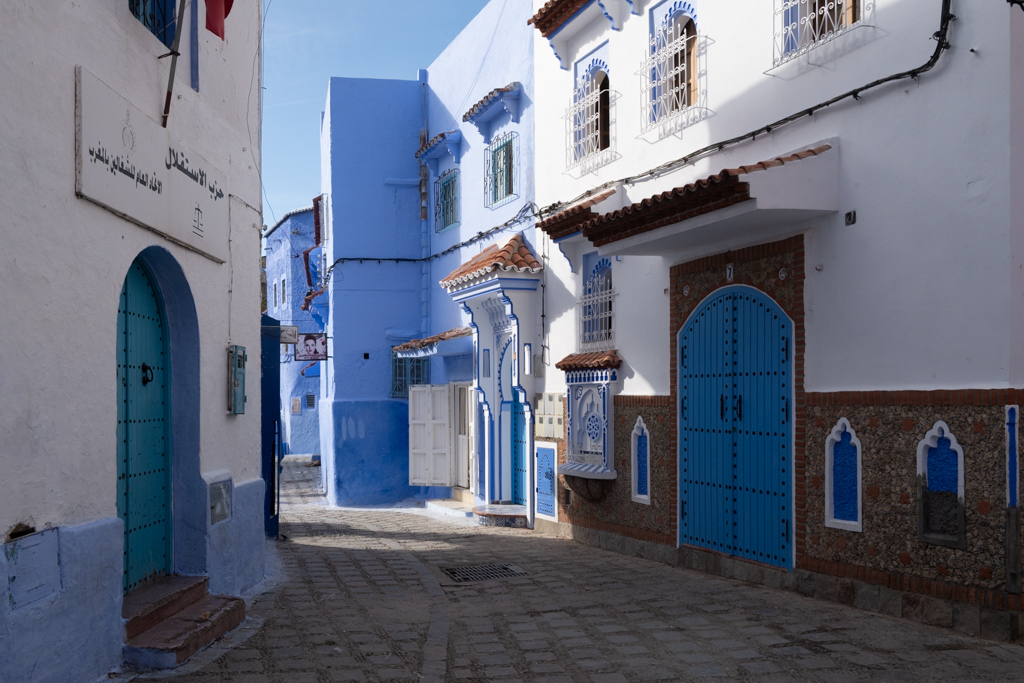
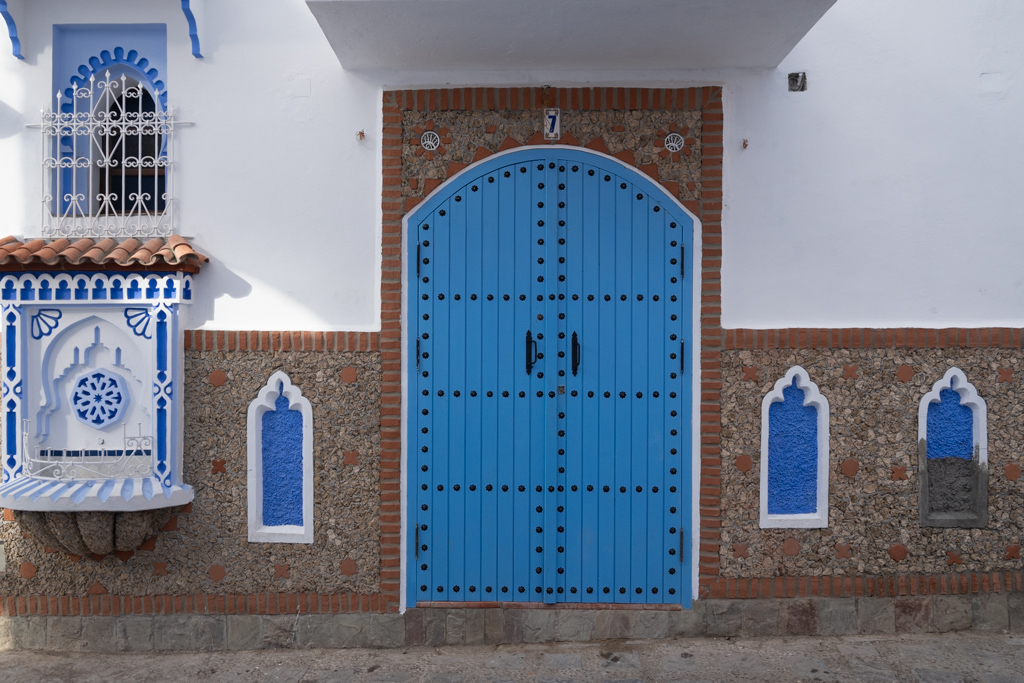
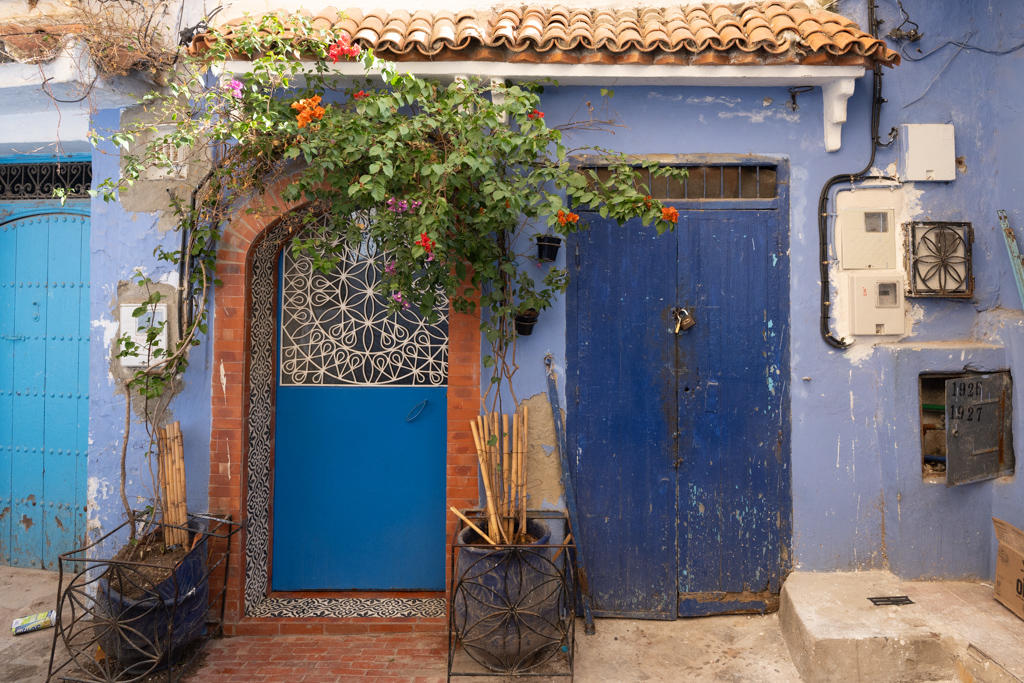
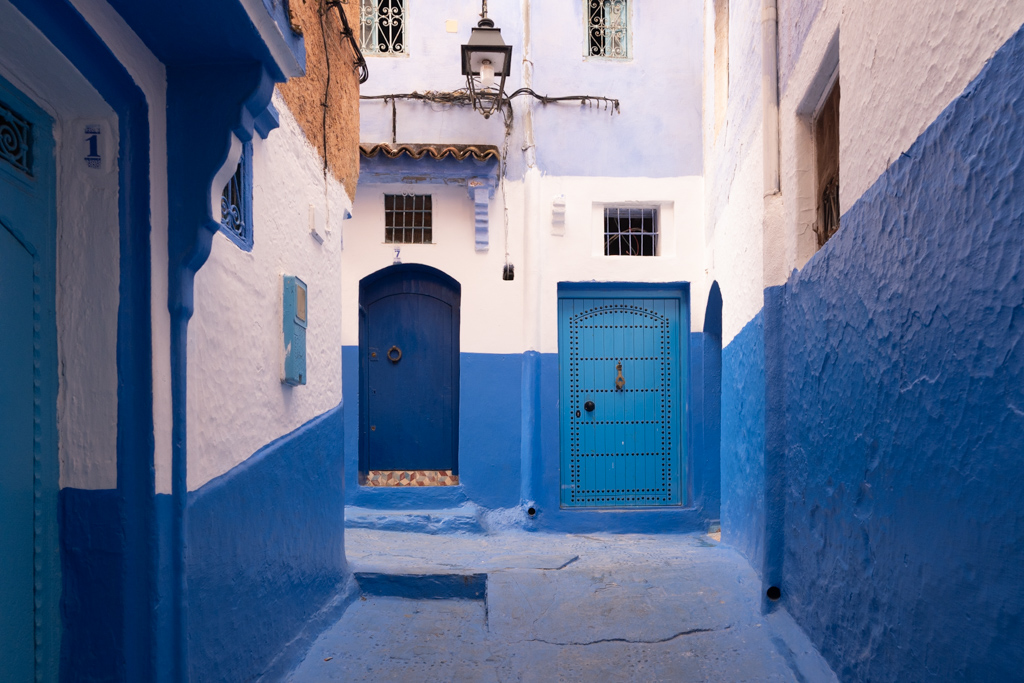
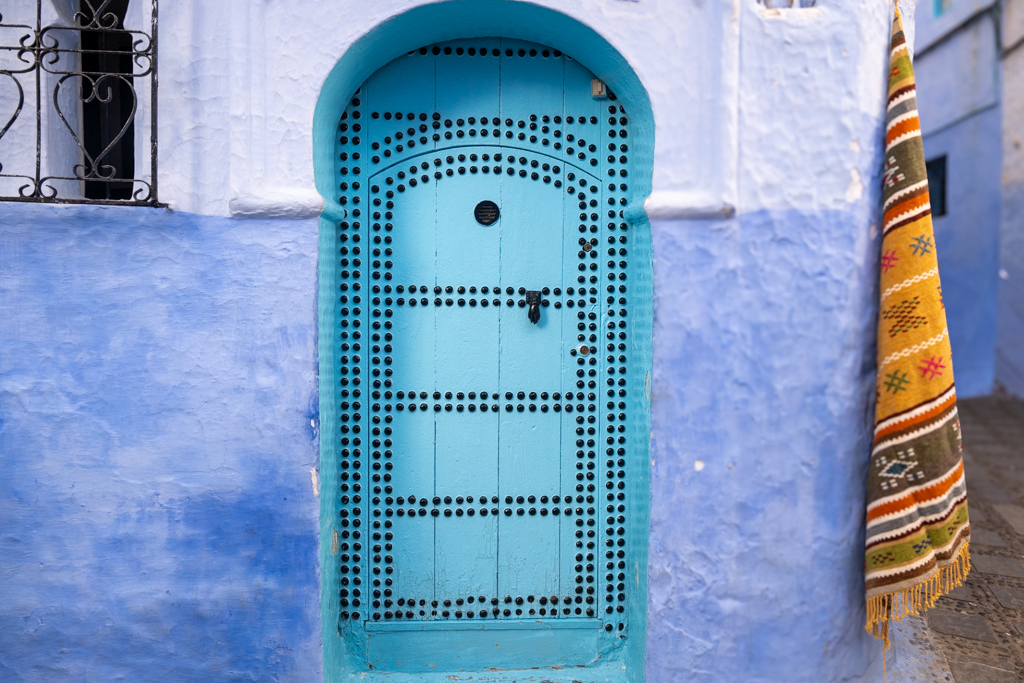
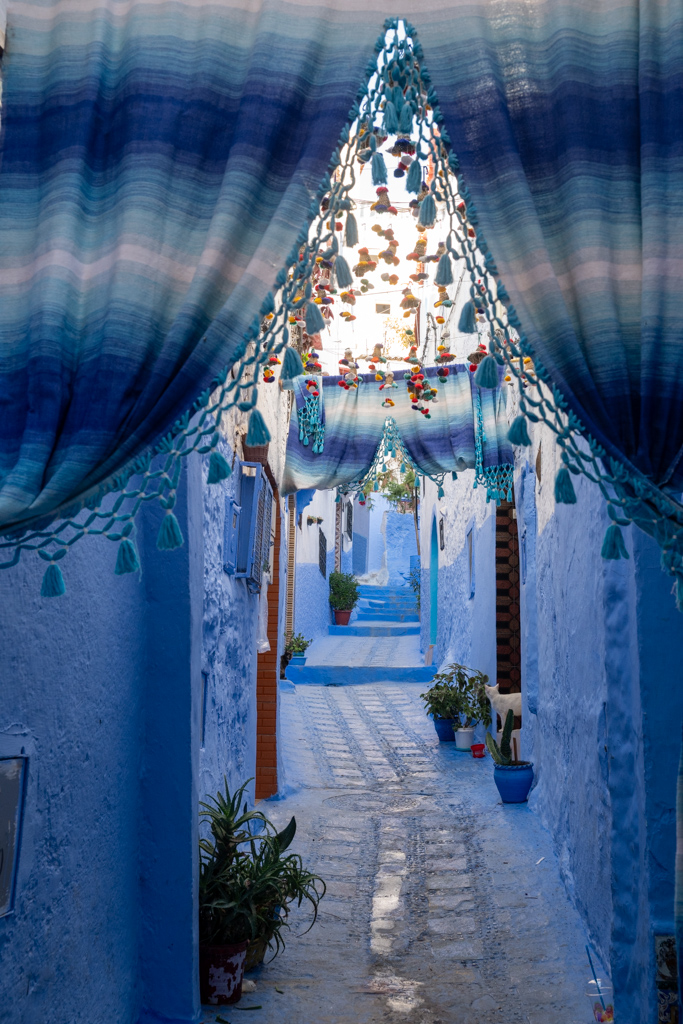
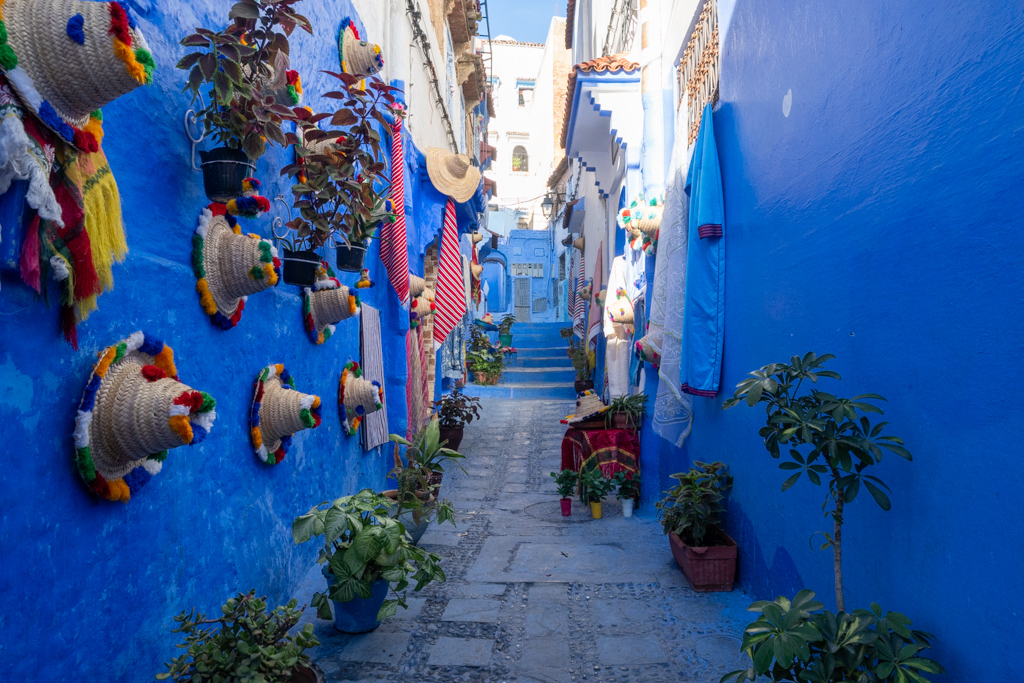
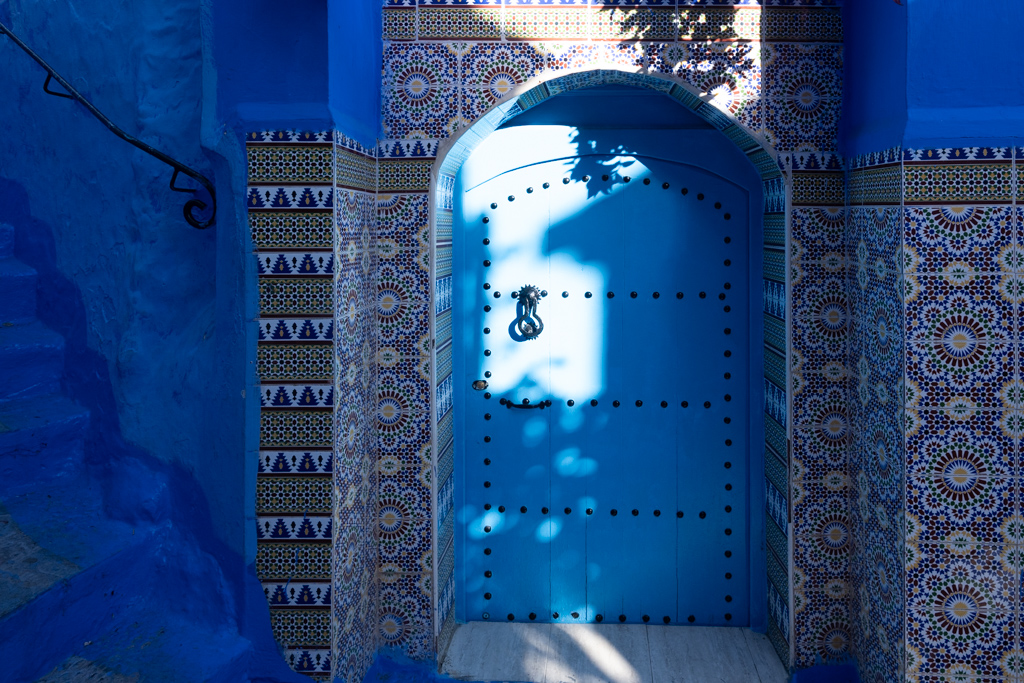
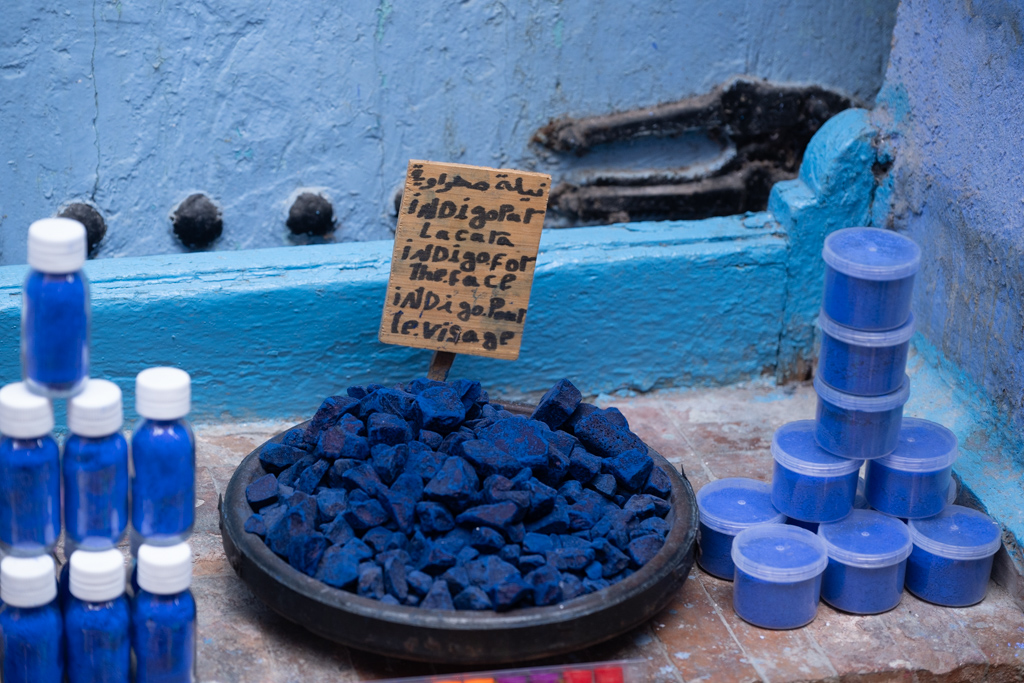
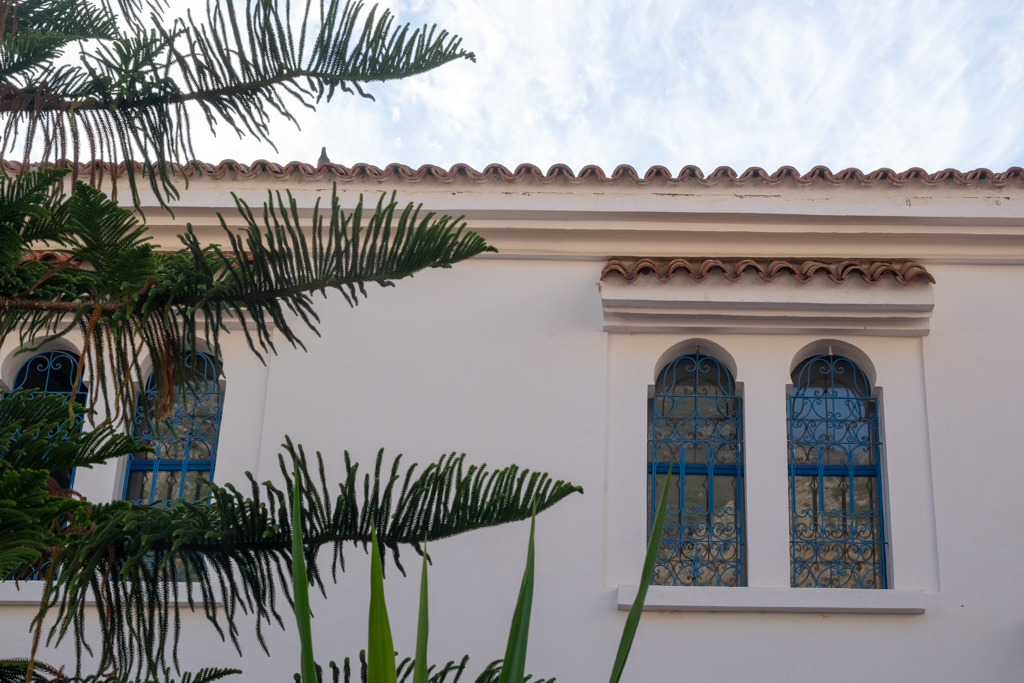
As we walked, Fatima explained how Chefchaouen was founded in 1471 as a small fortress to resist Portuguese invasions. Over time, it became a refuge for Andalusian Muslims and Jews fleeing Spain, and their influence helped shape the city’s architecture, traditions, and even its spiritual rhythm. She told us how the blue walls – now iconic – originated partly from Jewish traditions symbolizing peace, sky, and heaven, and partly from practical efforts to repel insects. Later, locals developed kilns specifically to prepare the blue pigment, which is still mixed with lime wash today. Chefchaouen’s medina became a tapestry of cultures, layered with quiet resistance, migration, and devotion.
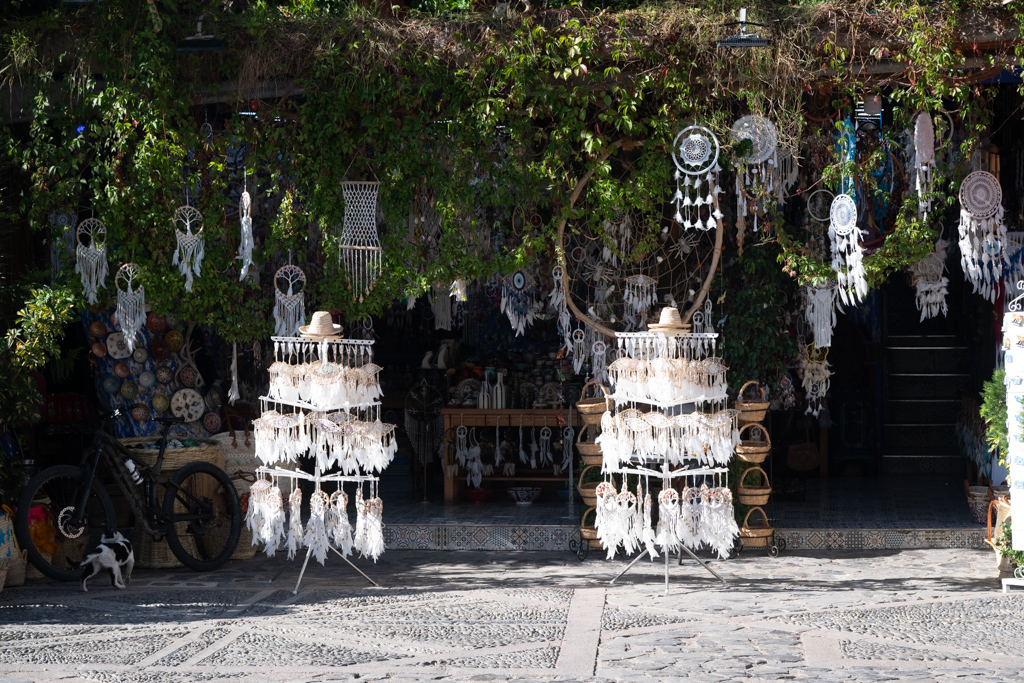
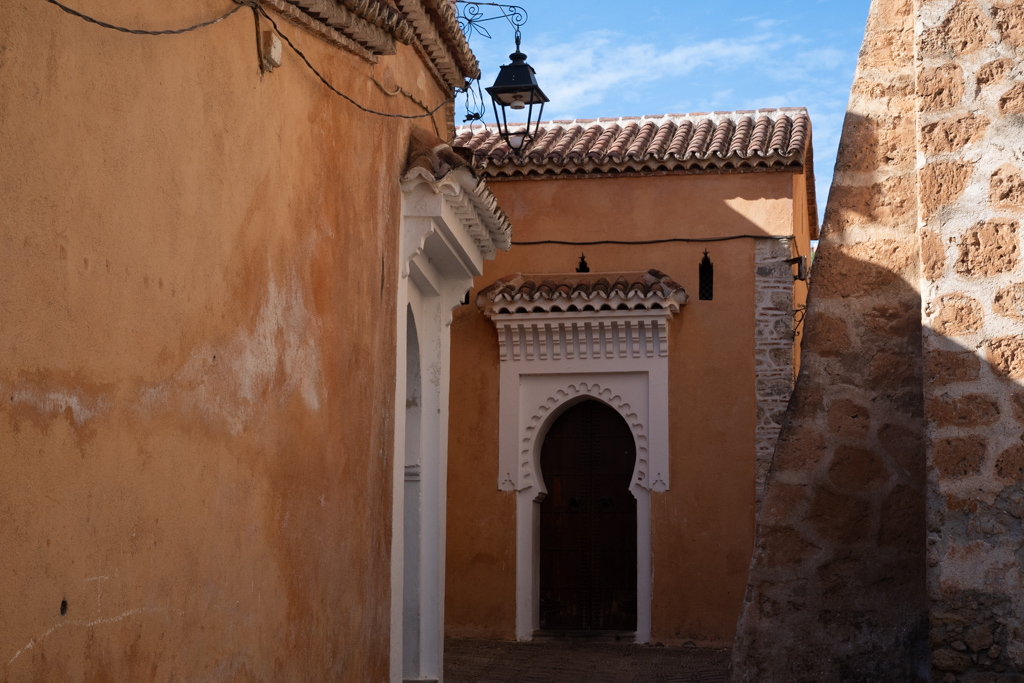
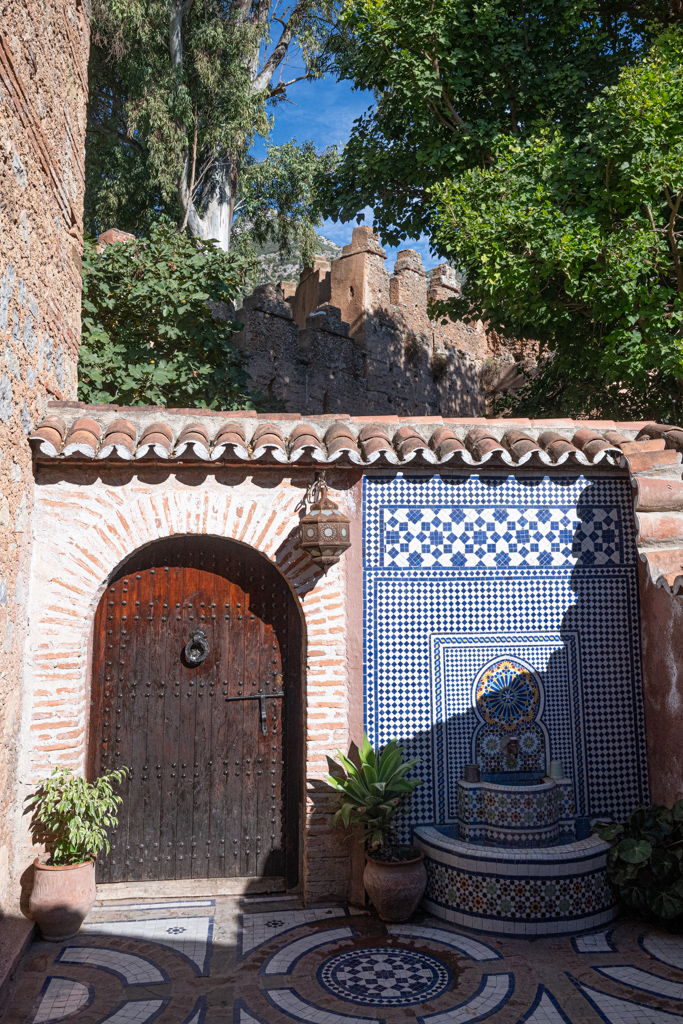
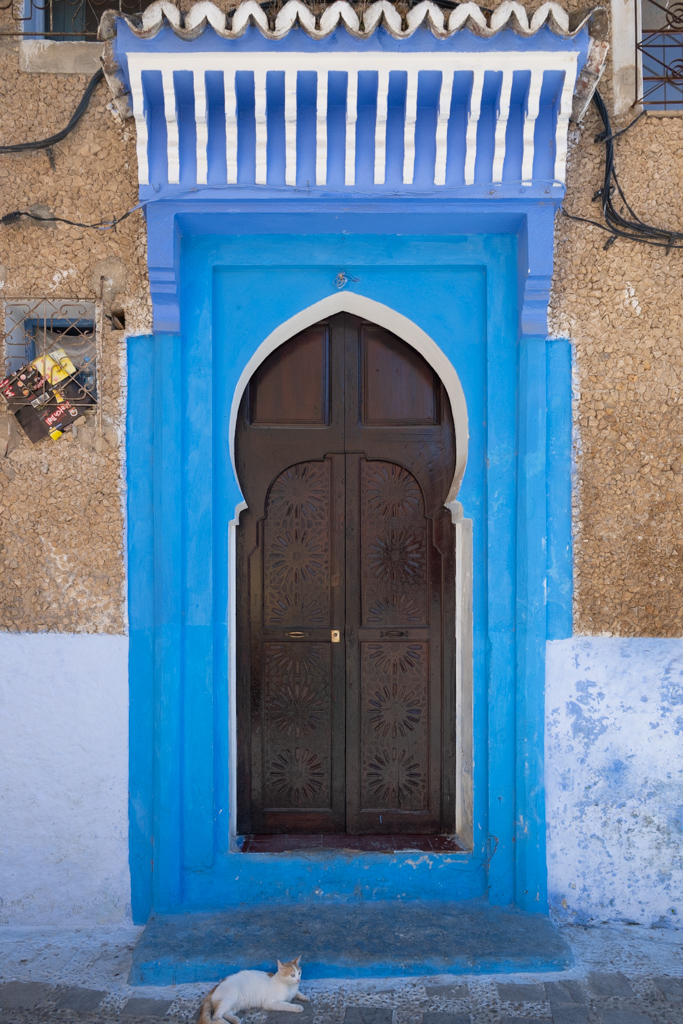
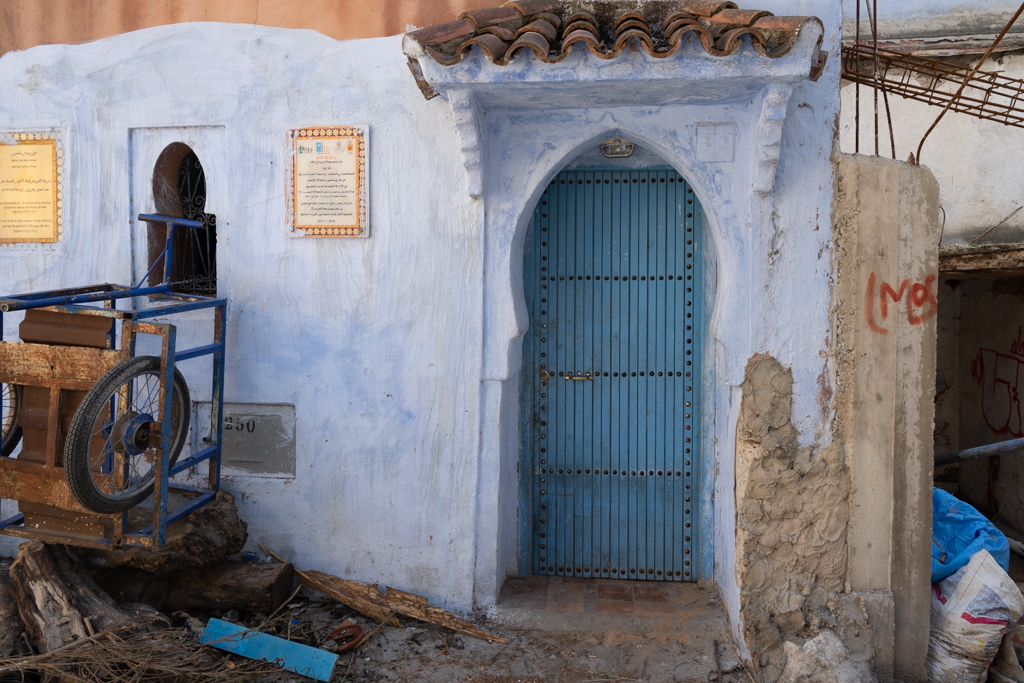
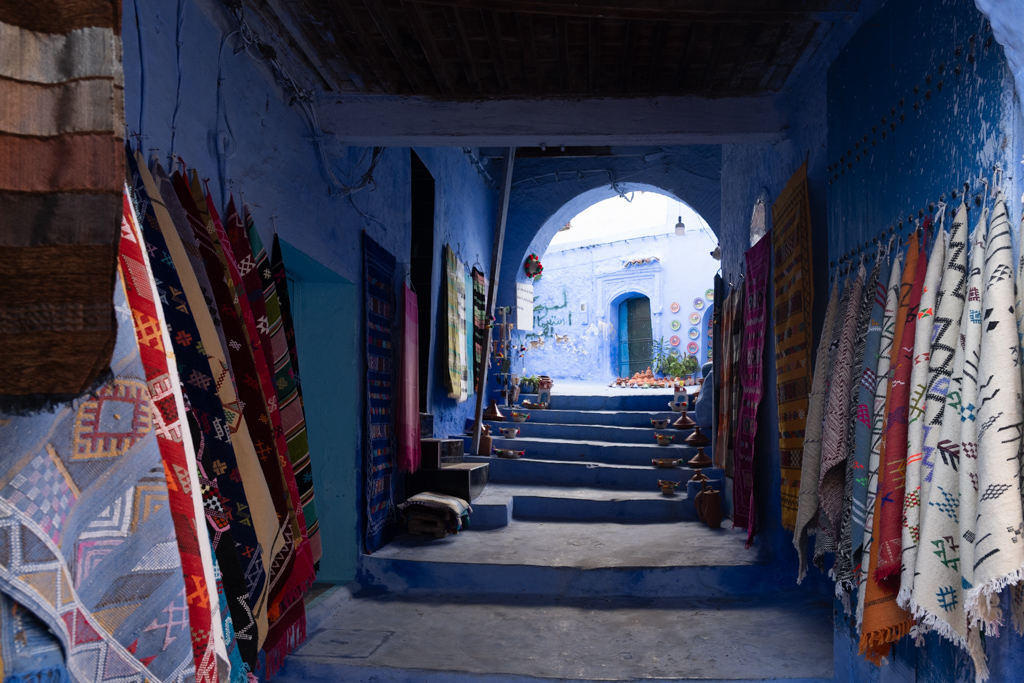
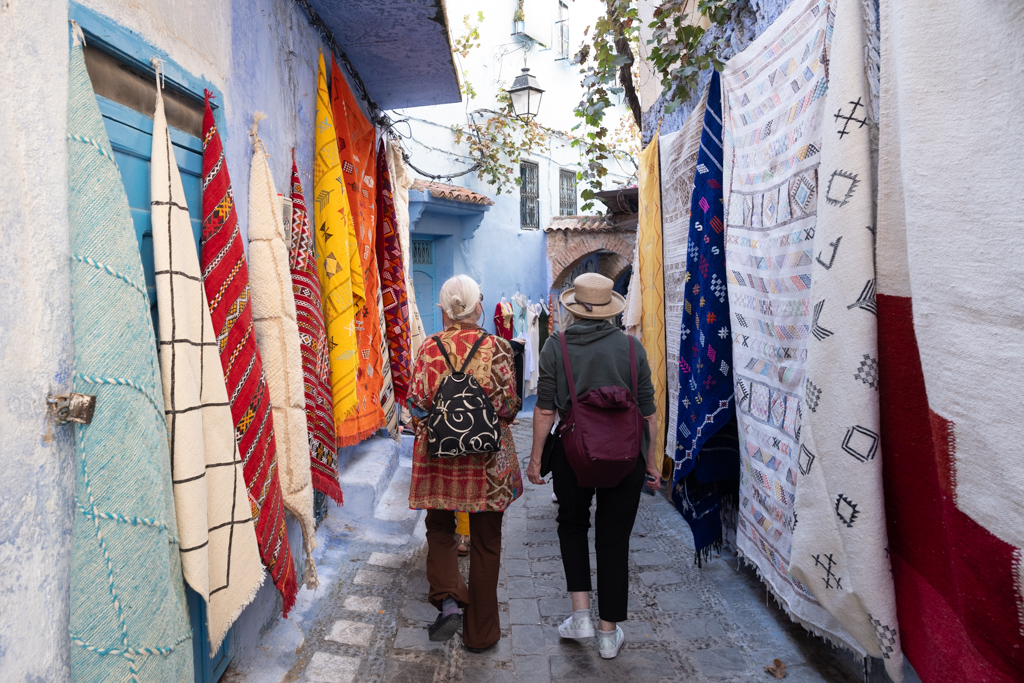
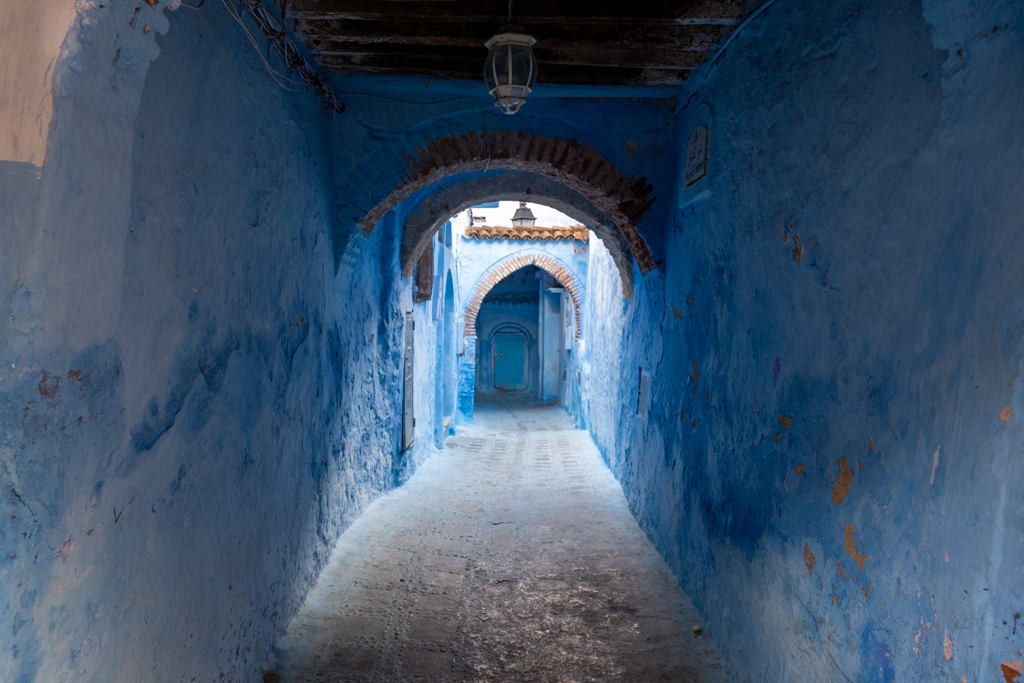
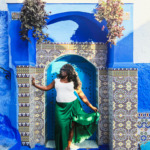
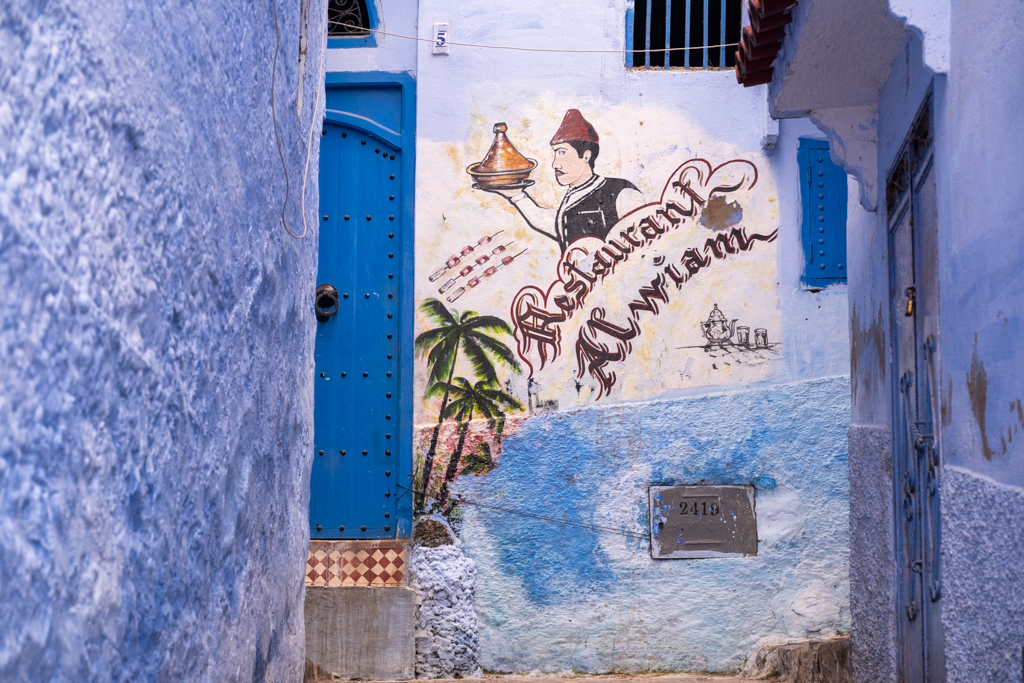
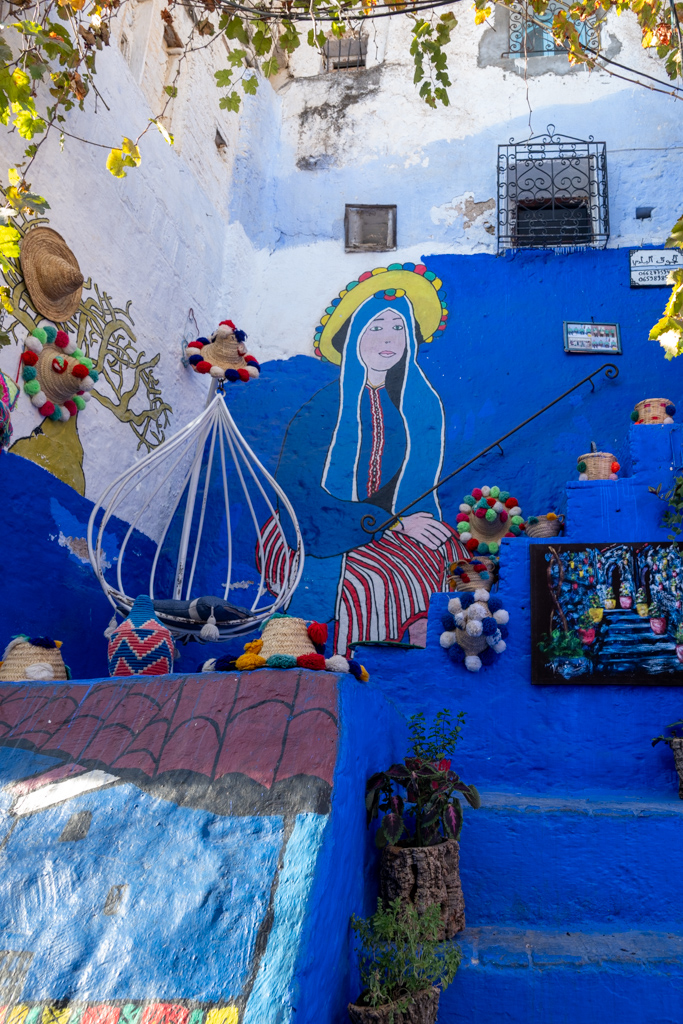
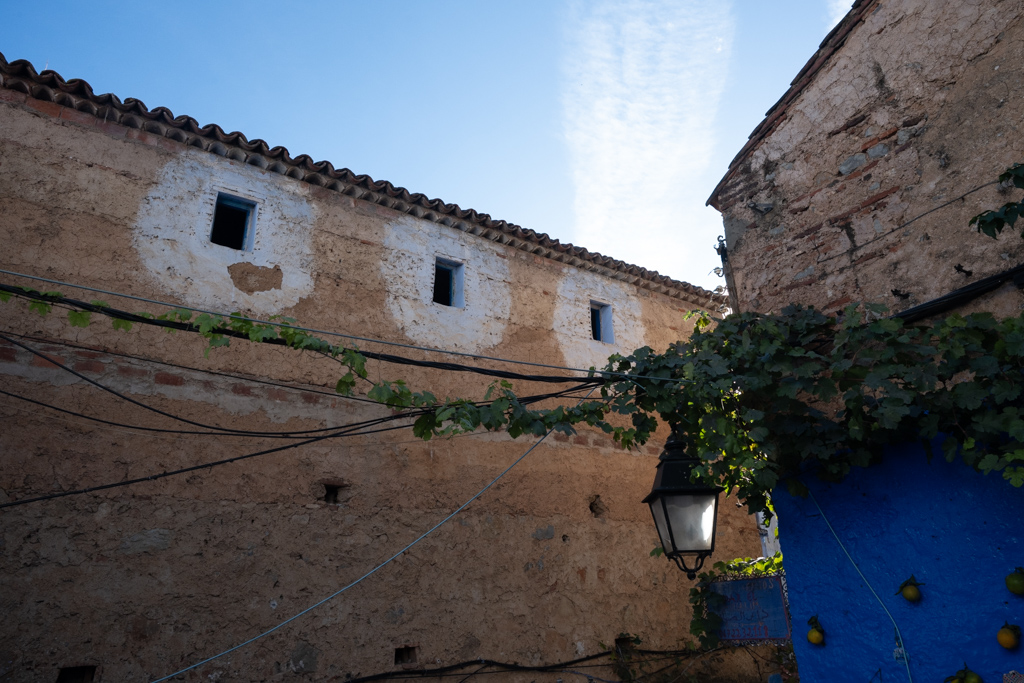
I asked Fatima if she felt that Instagram had made a difference in the tourism of the area. She gave an emphatic “Yes!” The photos I took were my best attempt to capture the beauty, history, and soul of Chefchaouen, even though no lens can ever fully contain it.
Fatima also spoke about Morocco’s volcanic history, along with the major earthquakes of 1961, 2004, and 2022. During the most recent one, Rachid happened to be in the Atlas Mountains with his mother, who lives in a mud hut, and he stayed to comfort her through the tremors. I found this touching.
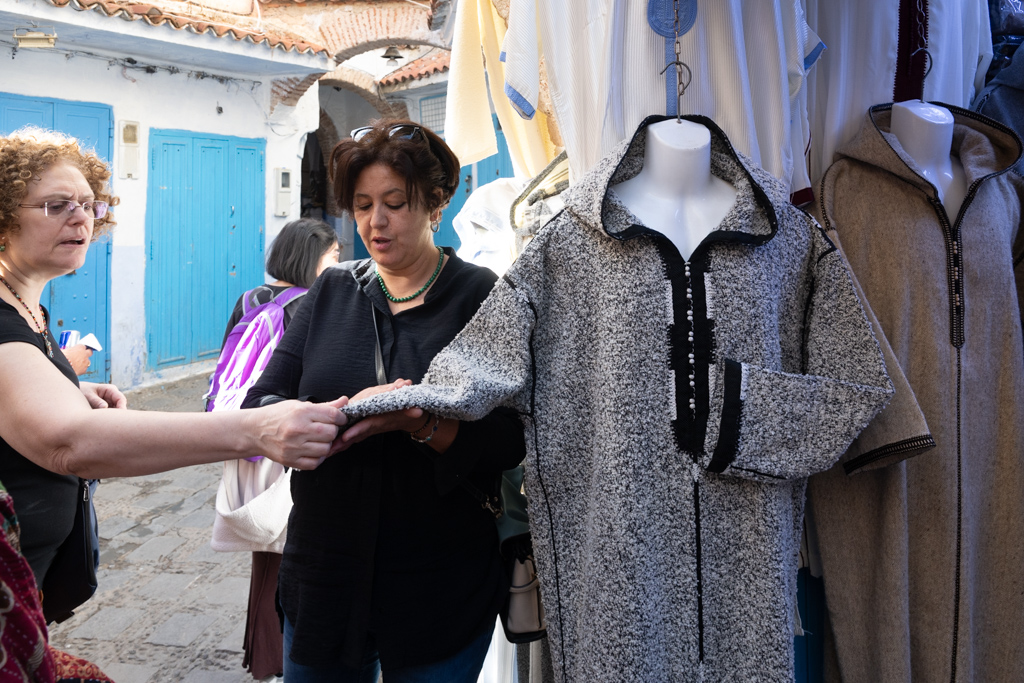
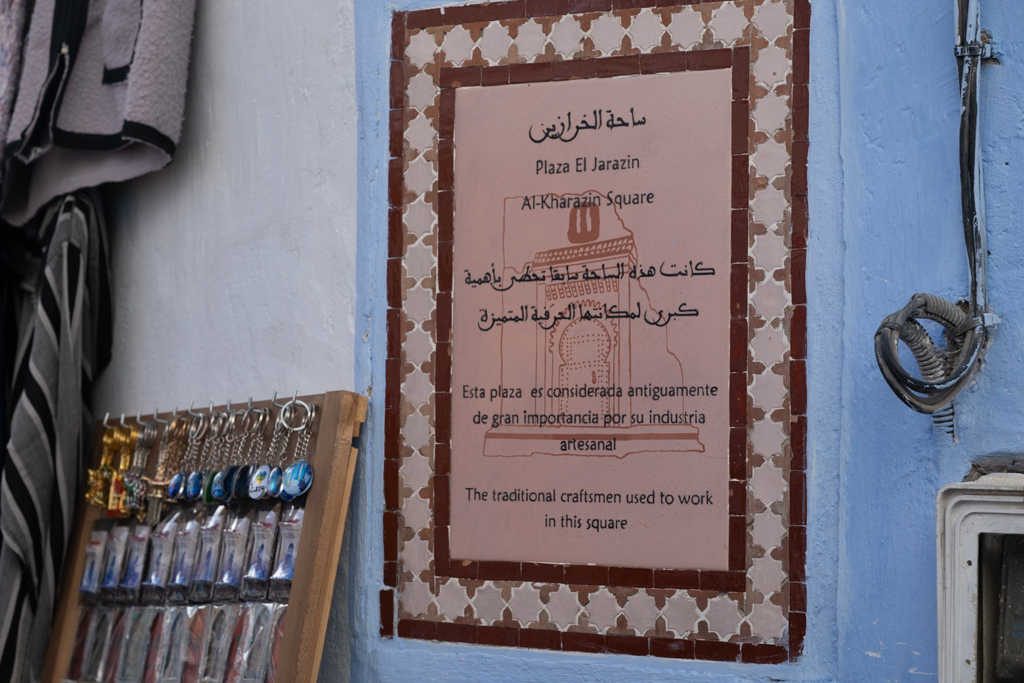
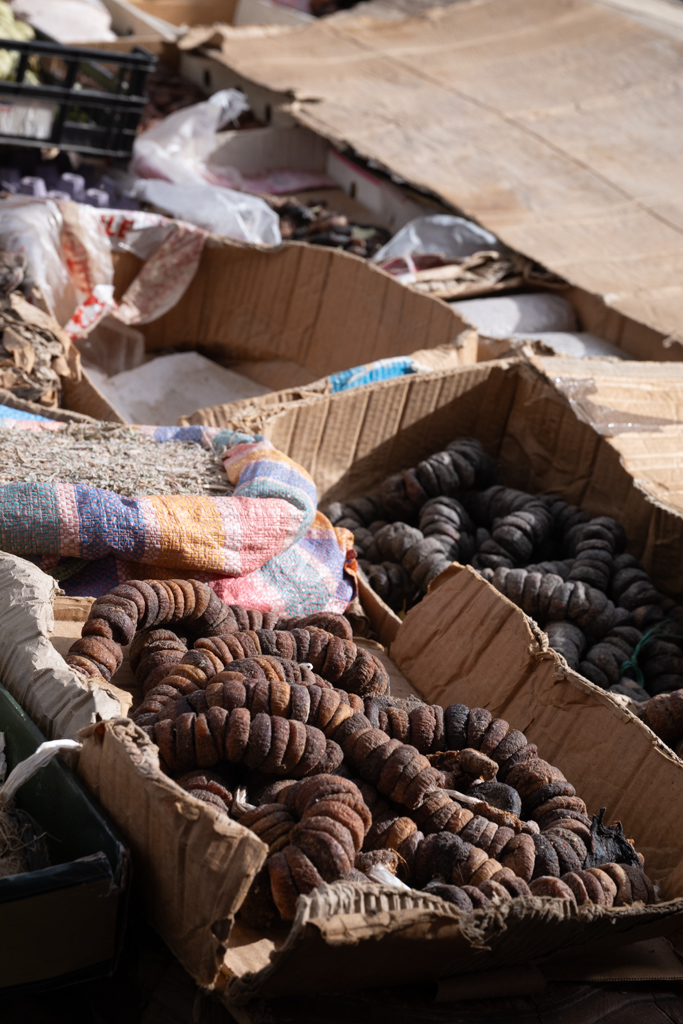
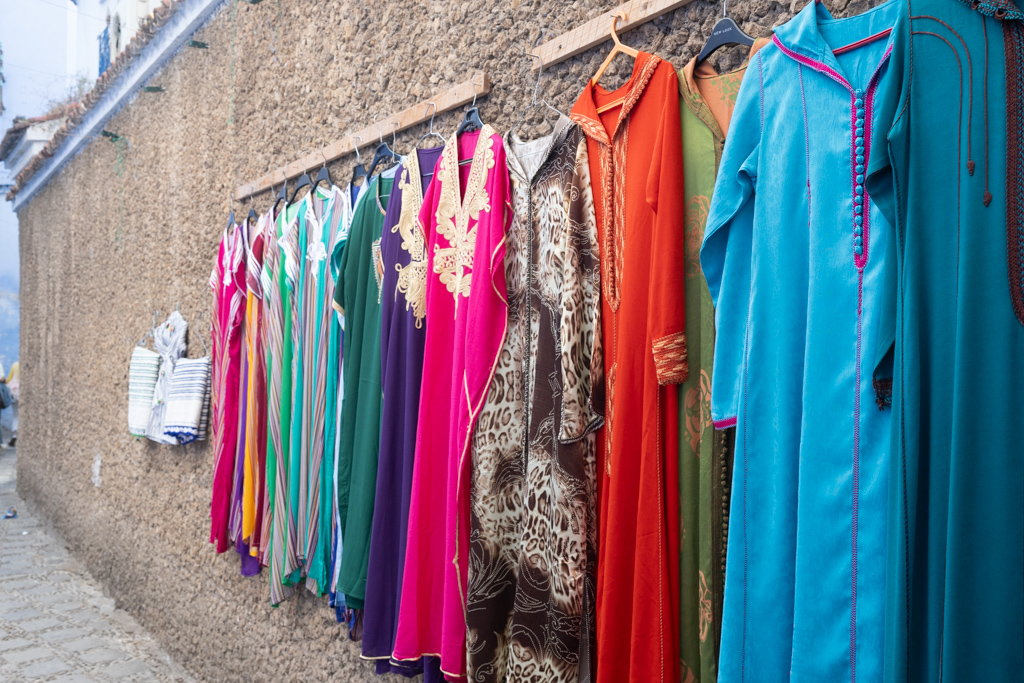
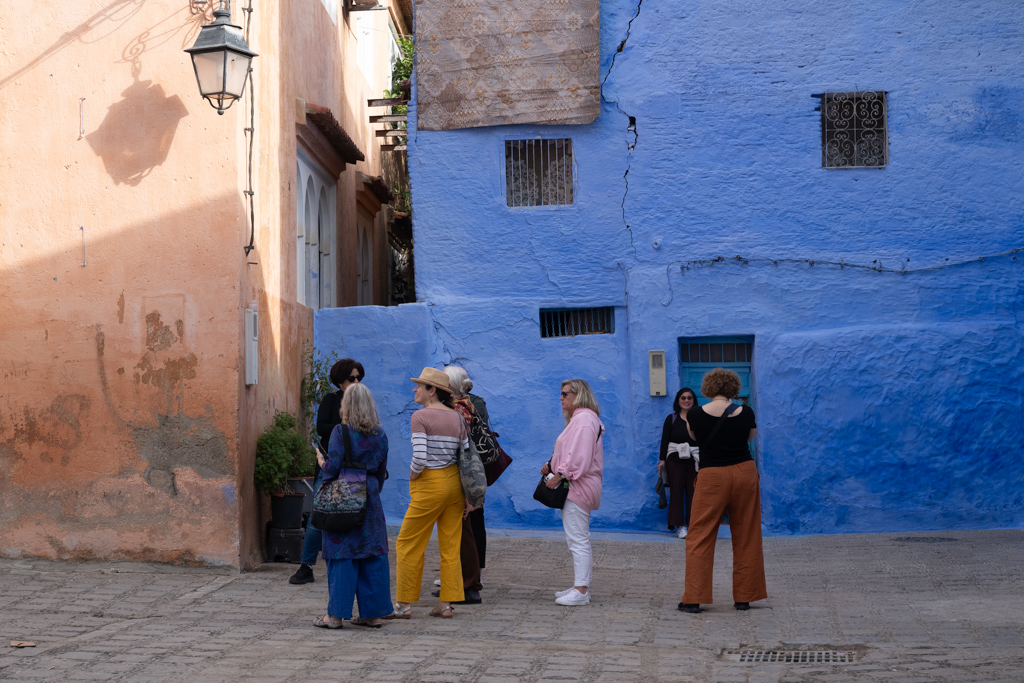
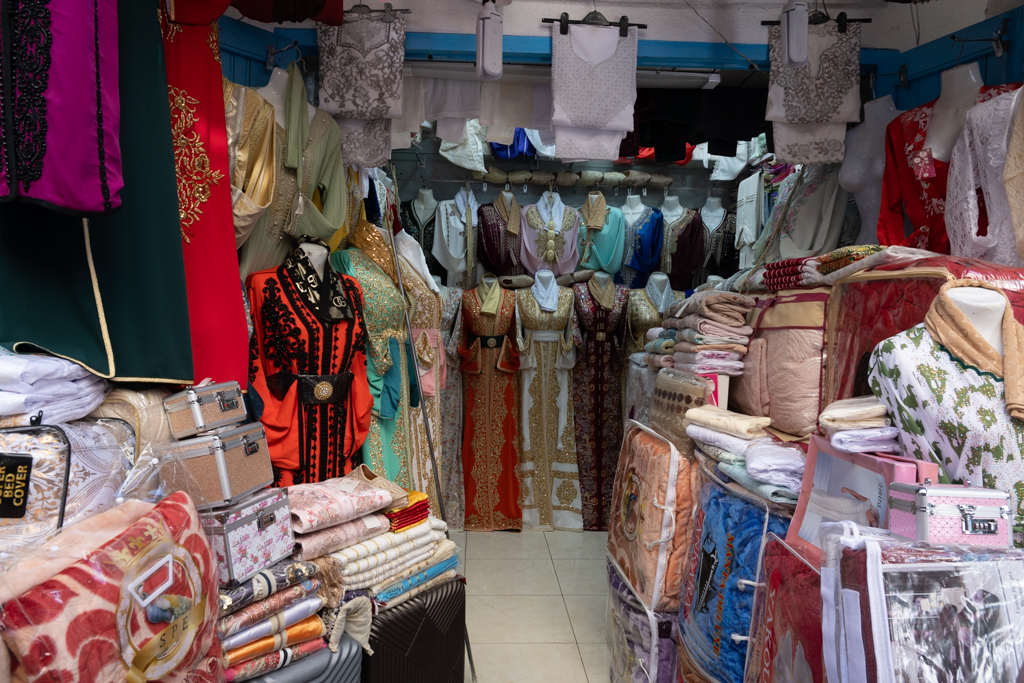
Fatima continued by teaching us about different types of traditional Moroccan dress and what each style expresses about region, identity, and heritage.
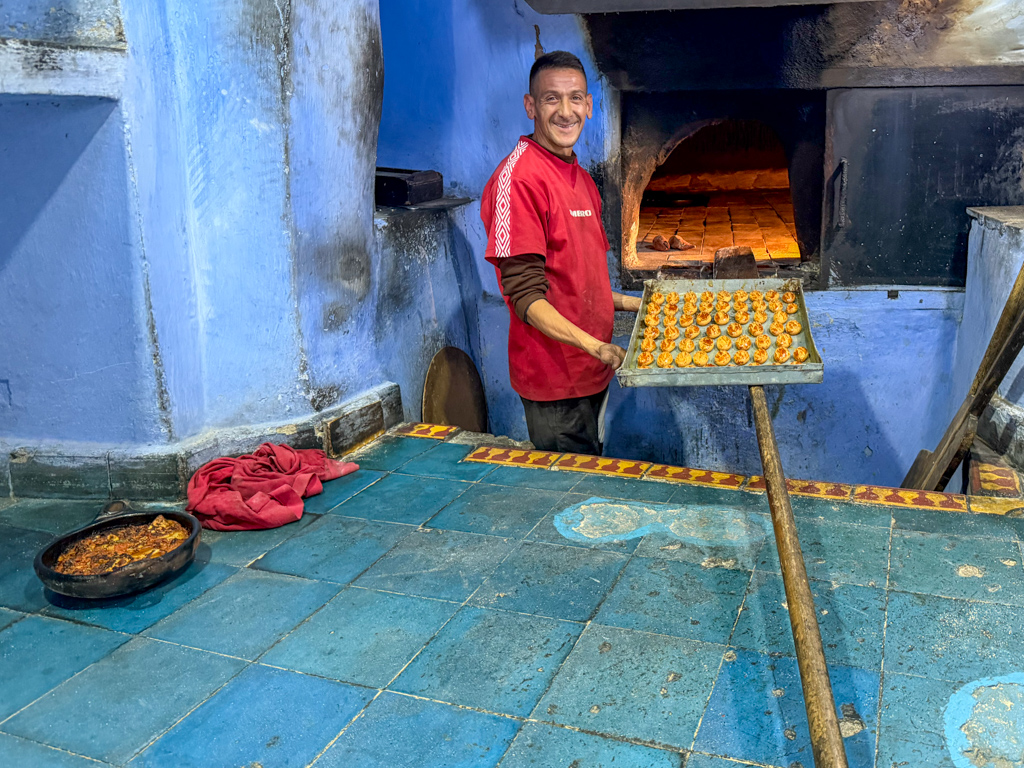
We sampled halwa pastries at a local bakery, their sweetness echoing generations of local recipes.
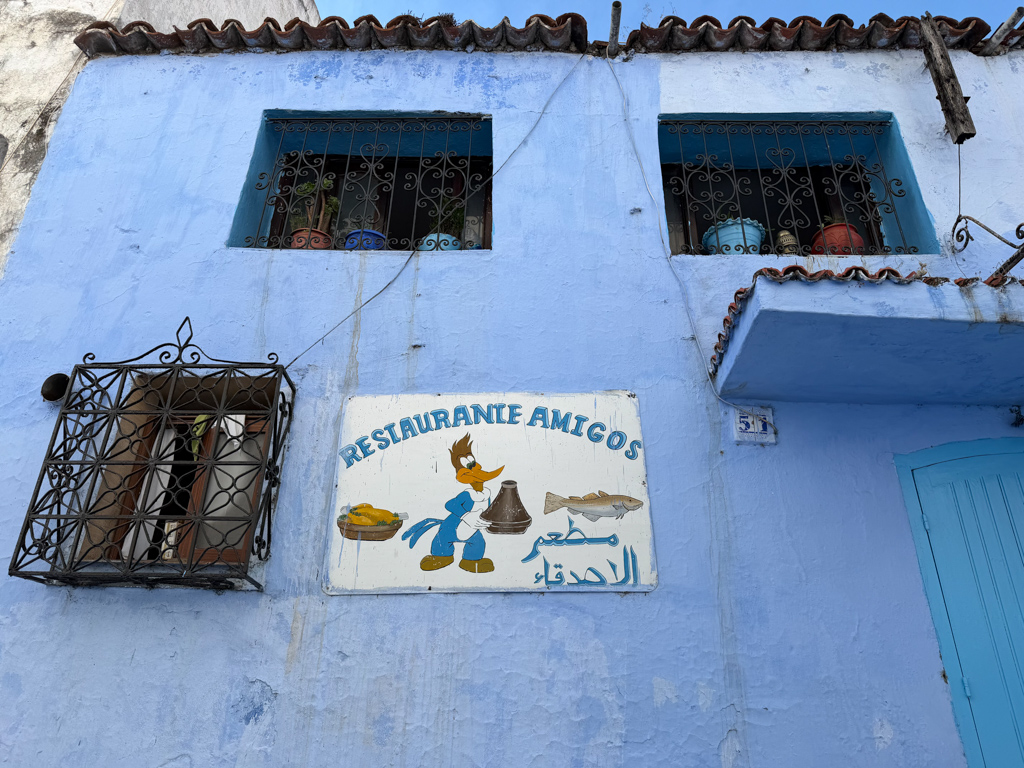
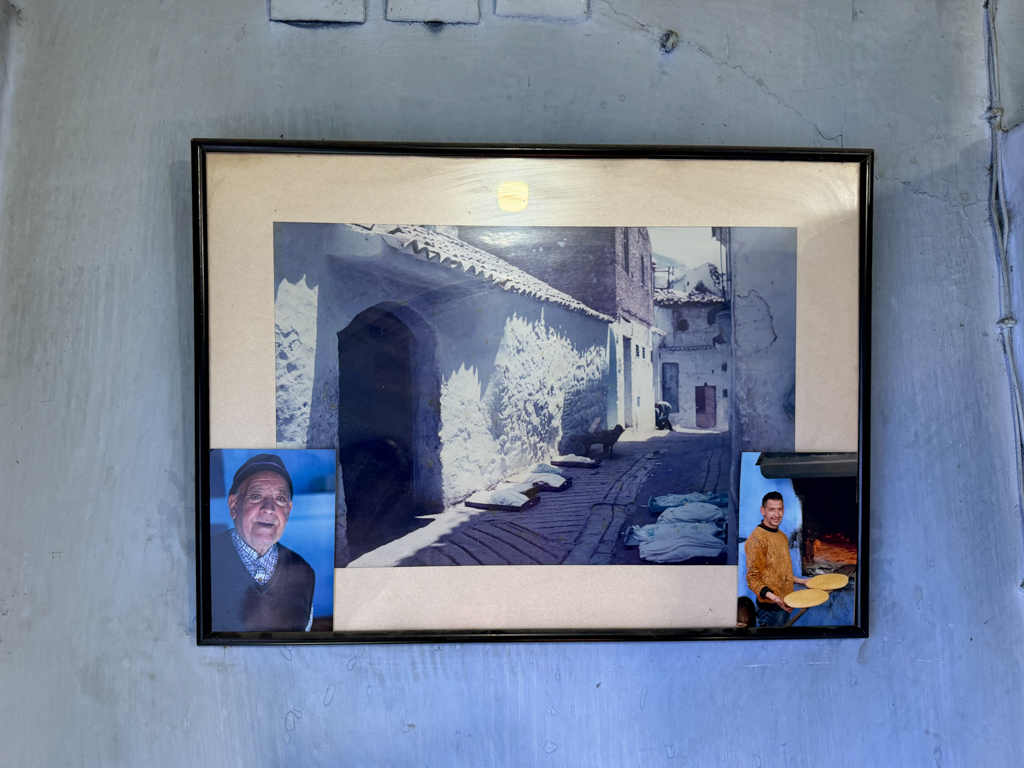
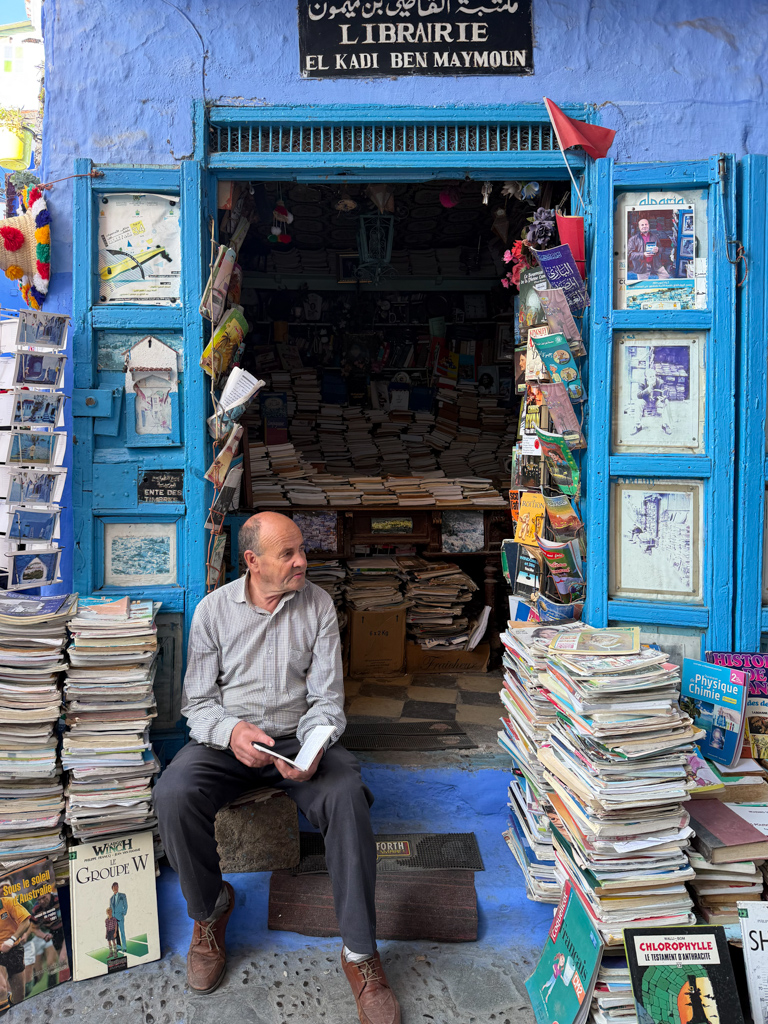
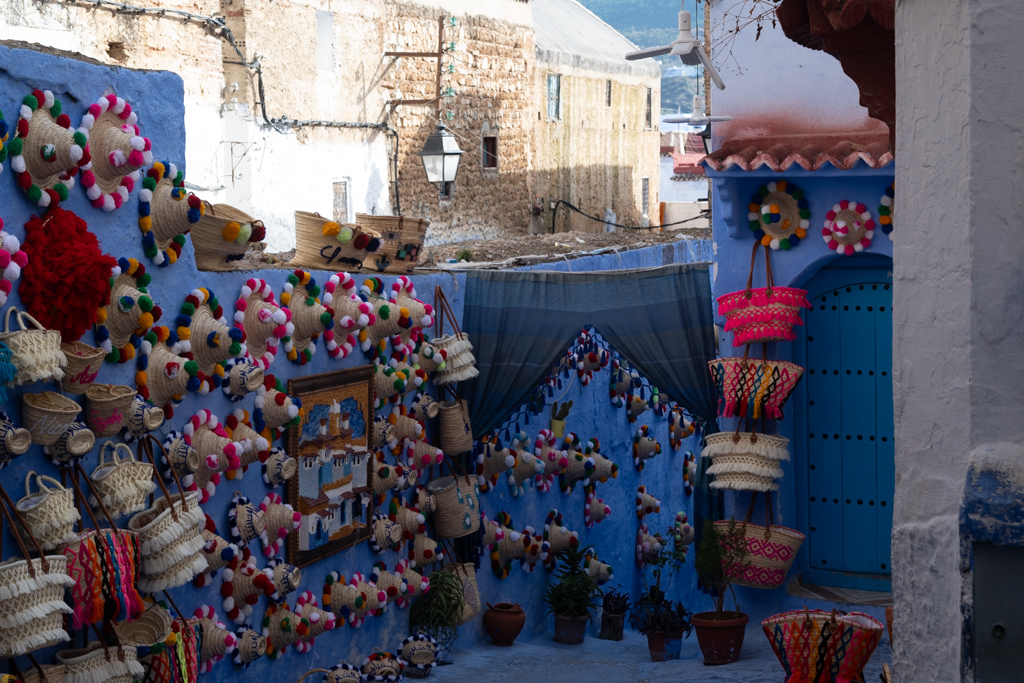
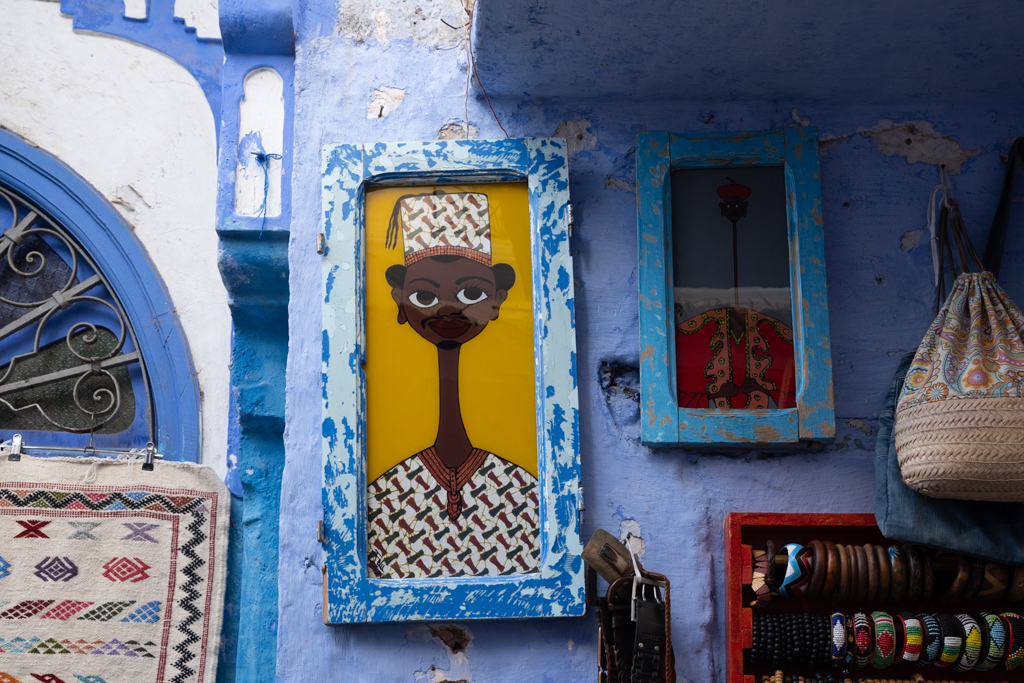
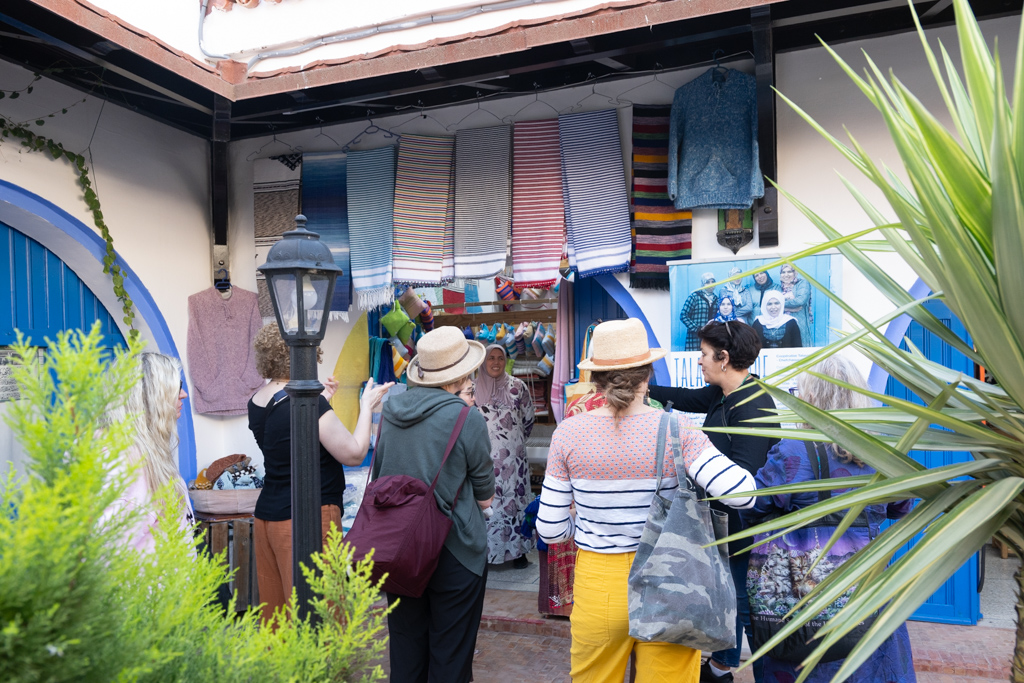
In the Jewish quarter, Fatima explained how every Monday and Thursday women from the mountains come down to sell goods they’ve made by hand, a practice that has supported rural communities for centuries. She pointed out the oldest bookstore in the medina, a reminder of Chefchaouen’s long-standing literary and scholarly traditions, as well as the small artist’s shop that sells the distinctive blue pigment that defines the city.
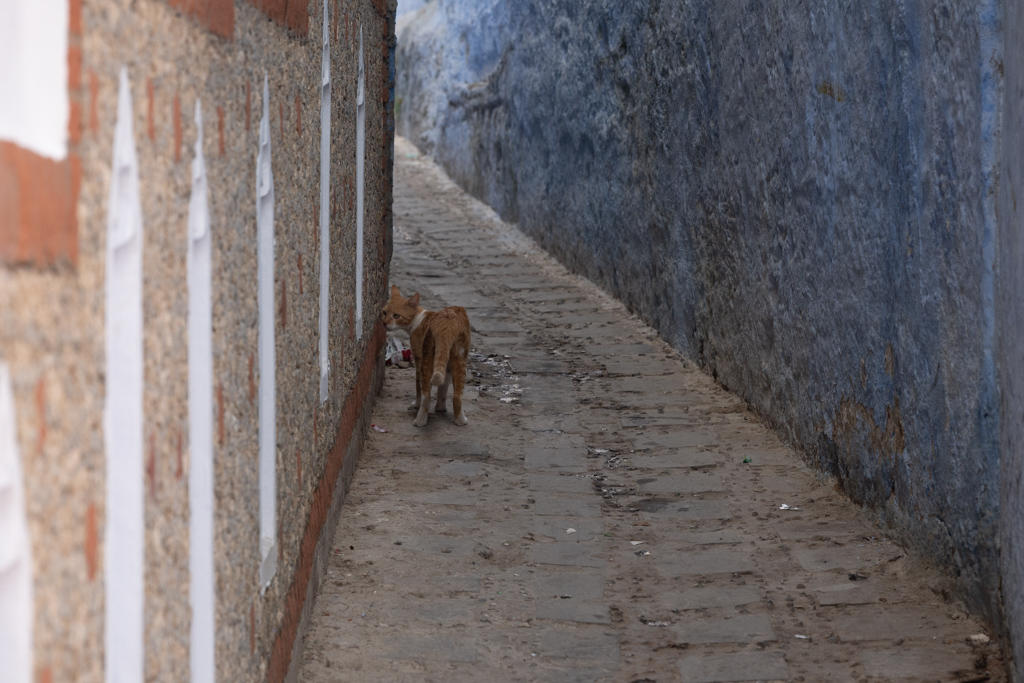
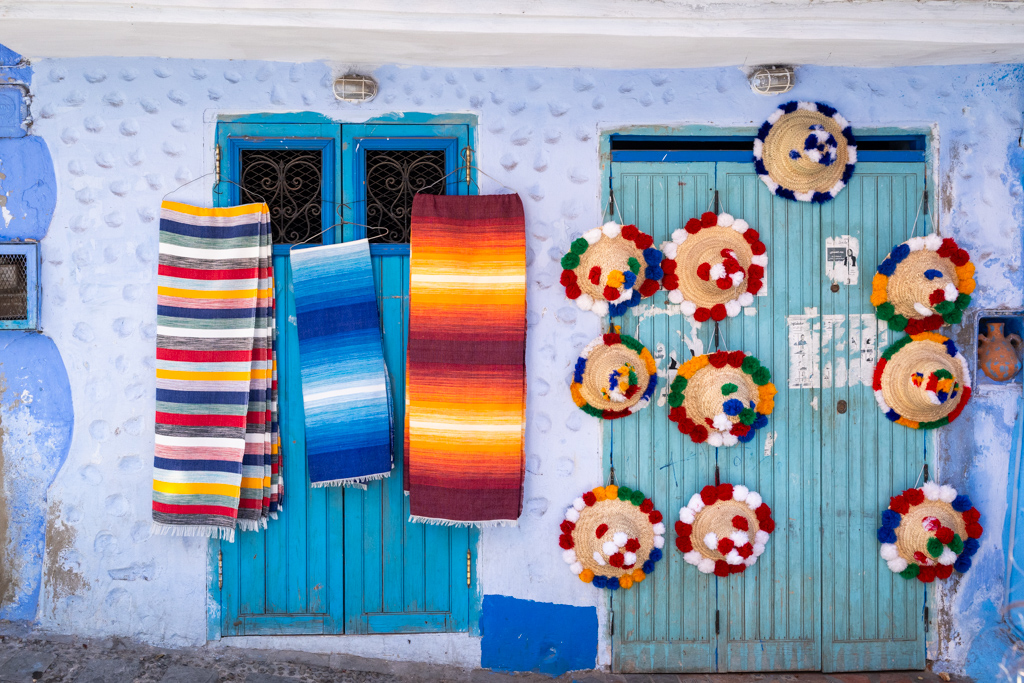
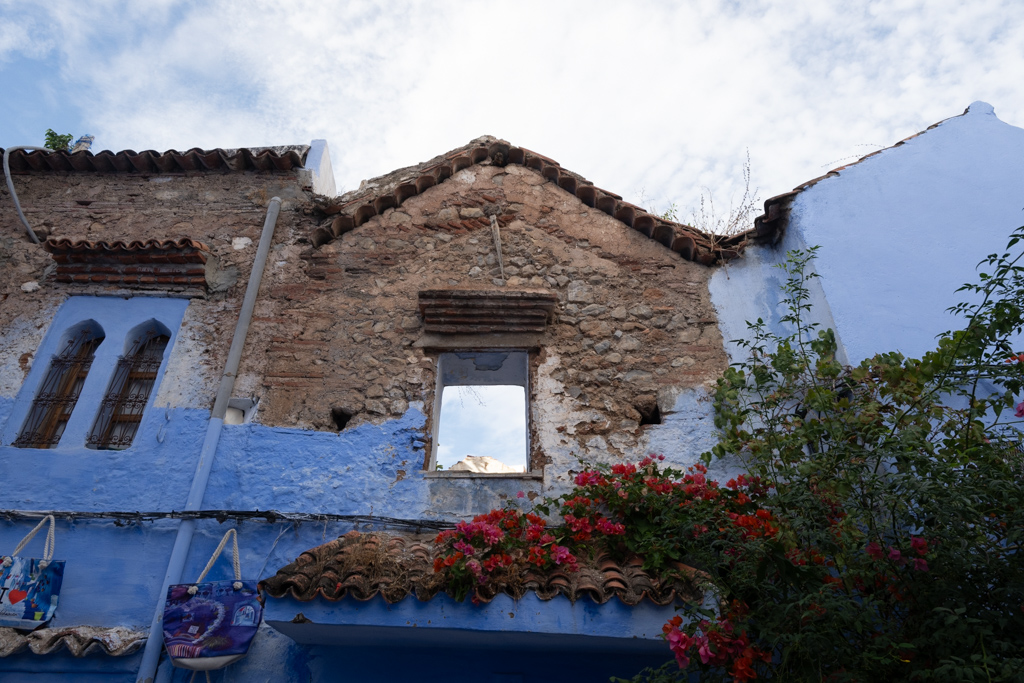
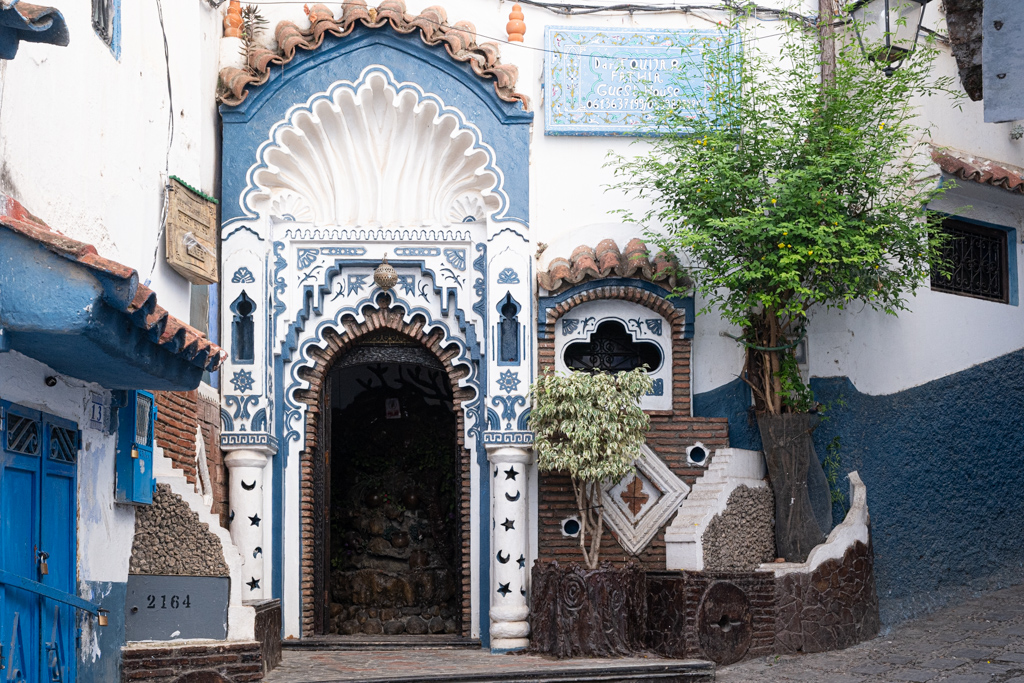
Along our walk, she pointed out several mosques and described how children traditionally learn to write the Quran on wooden boards, washing them clean each time to begin again.
As we continued through the medina’s narrow pathways, someone called from a rooftop, “Welcome to the Blue City!” adding a spontaneous warmth to our journey.


By the time our tour ended, I felt a deeper connection to Chefchaouen’s history. The stories of the past were woven into every blue wall and winding alley. Fatima’s knowledge, the community’s warmth, and the city’s layered past transformed the experience from a simple historic tour into something meaningful and alive behind my lens.
Private Tour of the Blue City of Chefchaouen, Morocco with Fatima Habte
Chefchaouen, Morocco