
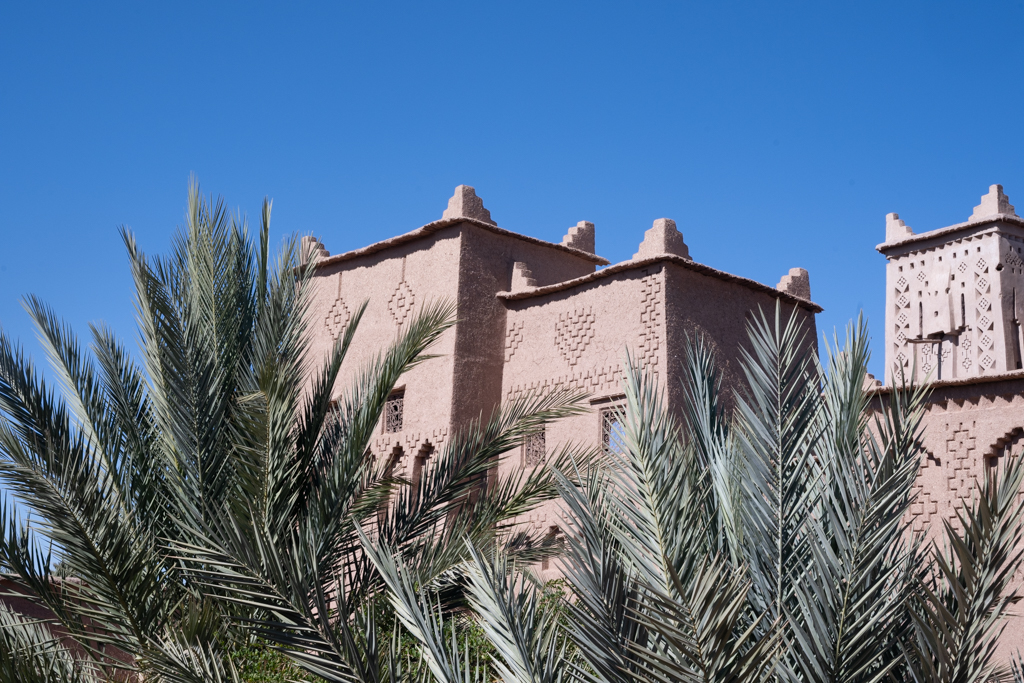
After a comfortable and memorable night at Dar Rihana Dades, the group set out once again to explore more of the region (A 10 Day Moroccan Adventure with Kim Larkin Adventures). This particular day ahead took us through dramatic mountain scenery, the delicate world of rose products, and one of Morocco’s most significant historical kasbahs - each stop offering its own perspective on the culture, landscape, and traditions of southern Morocco.
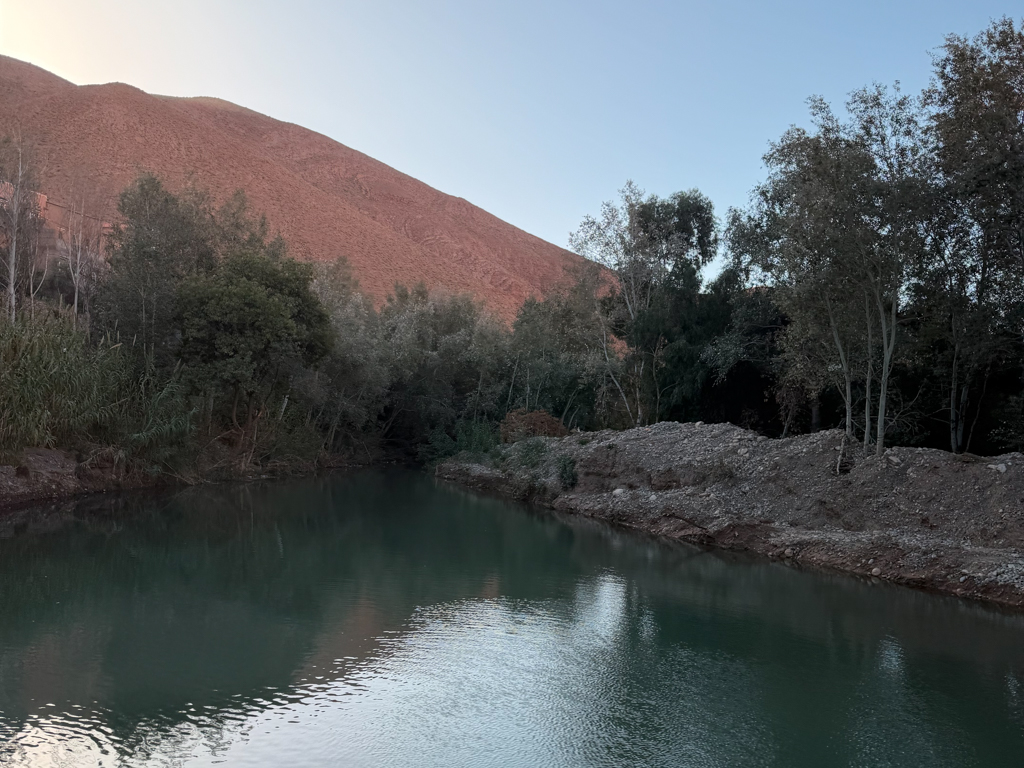
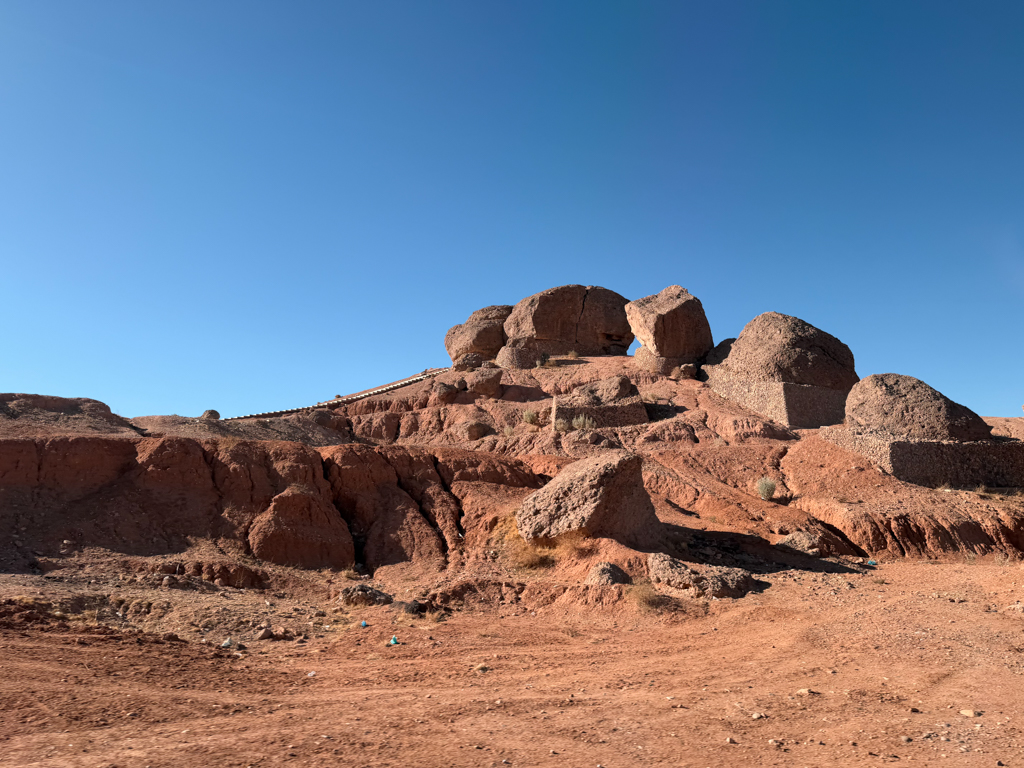
The Dadès Gorges
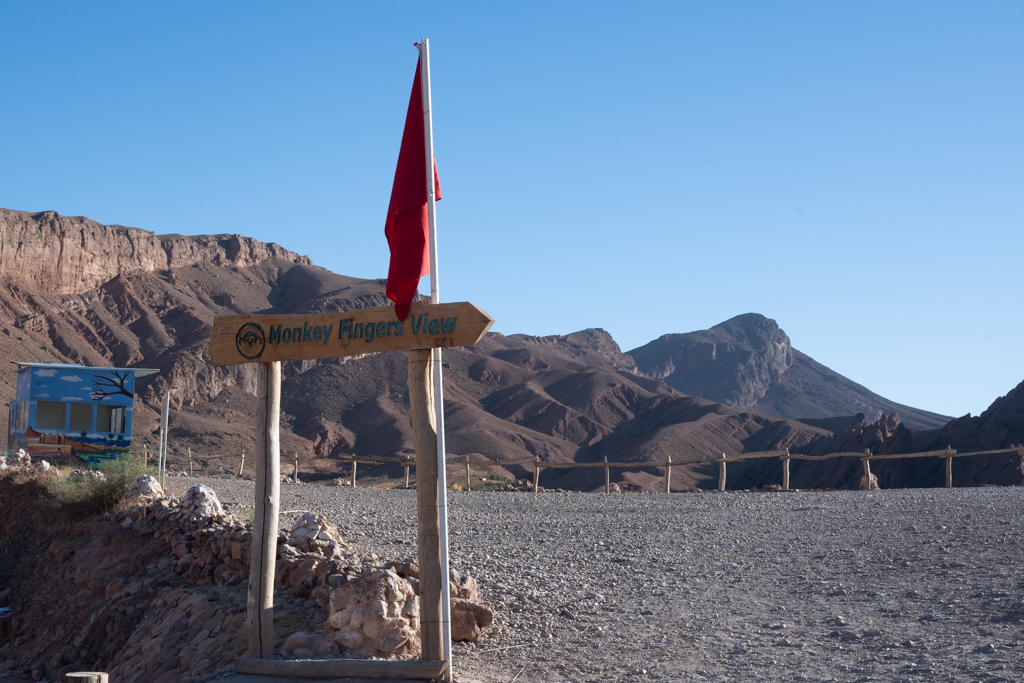
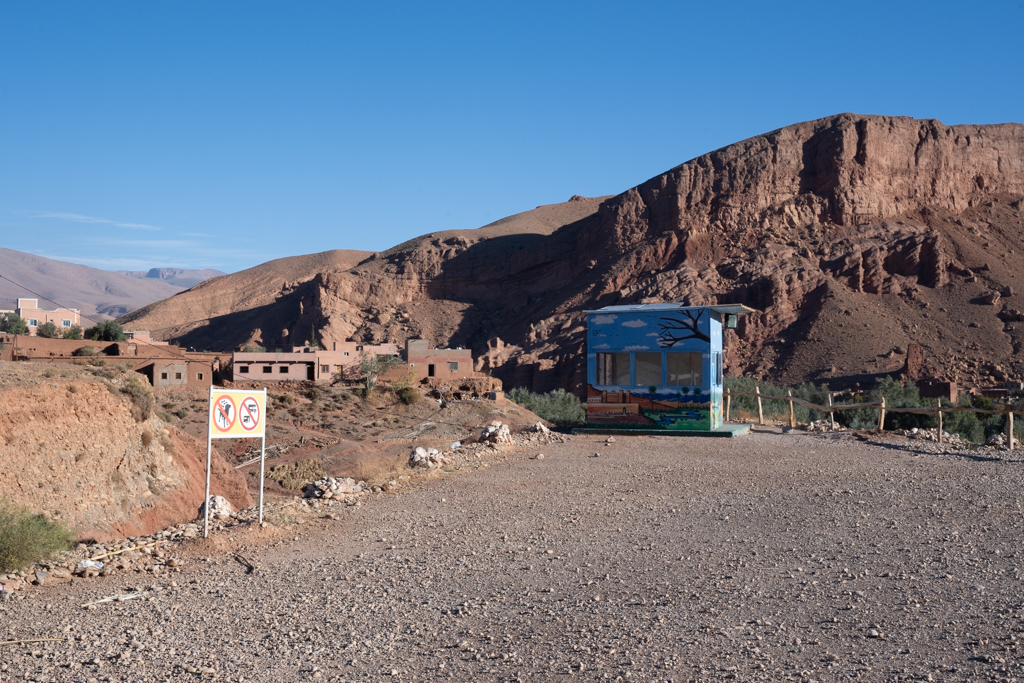
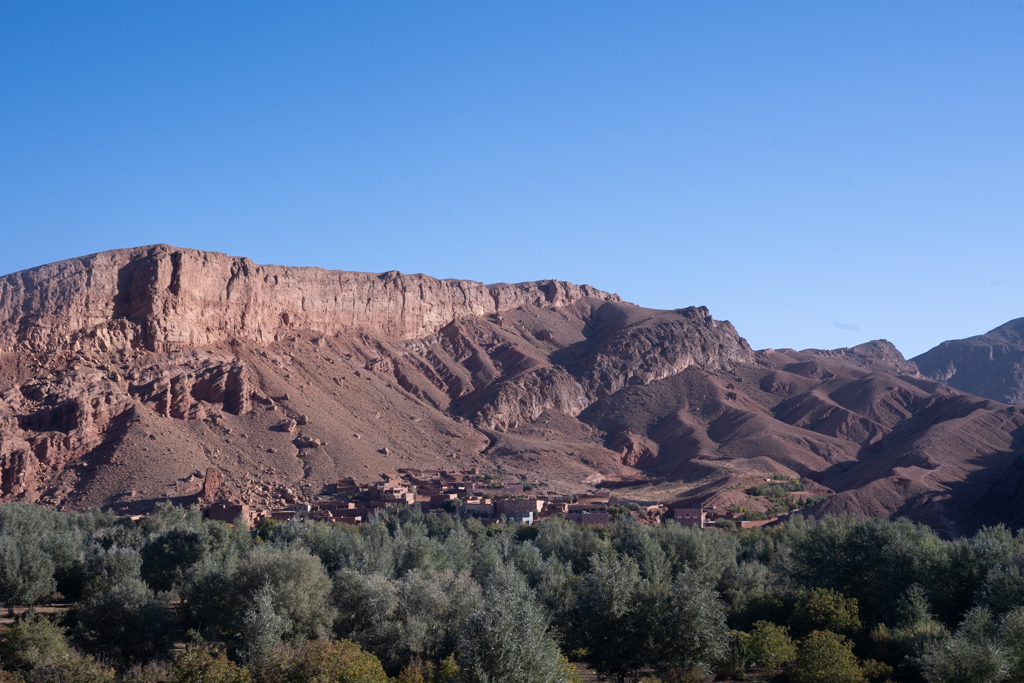
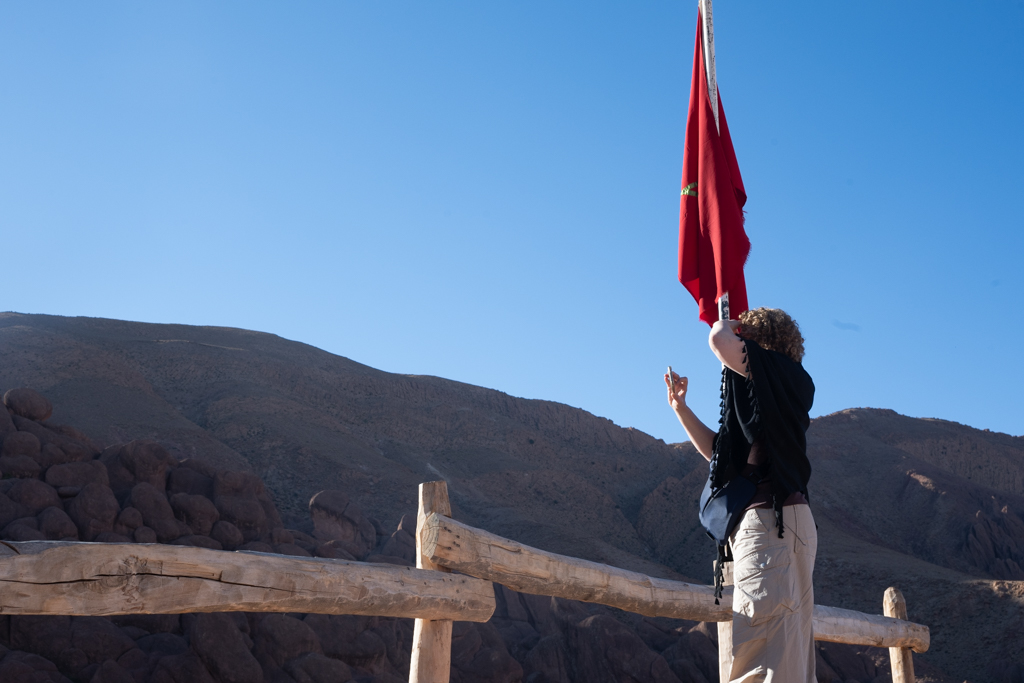
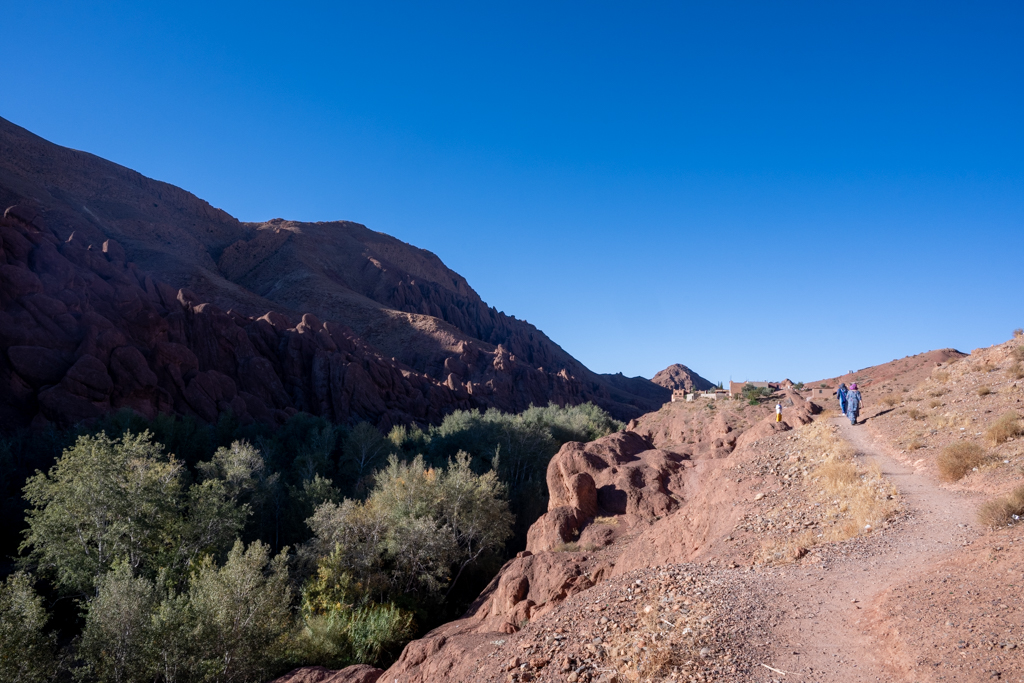
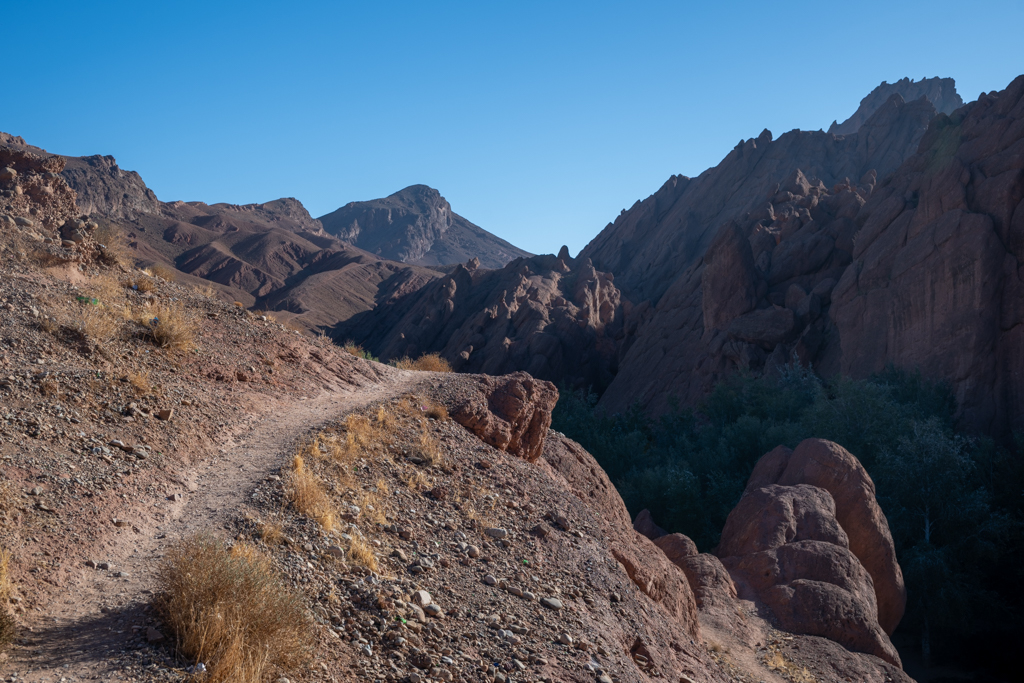
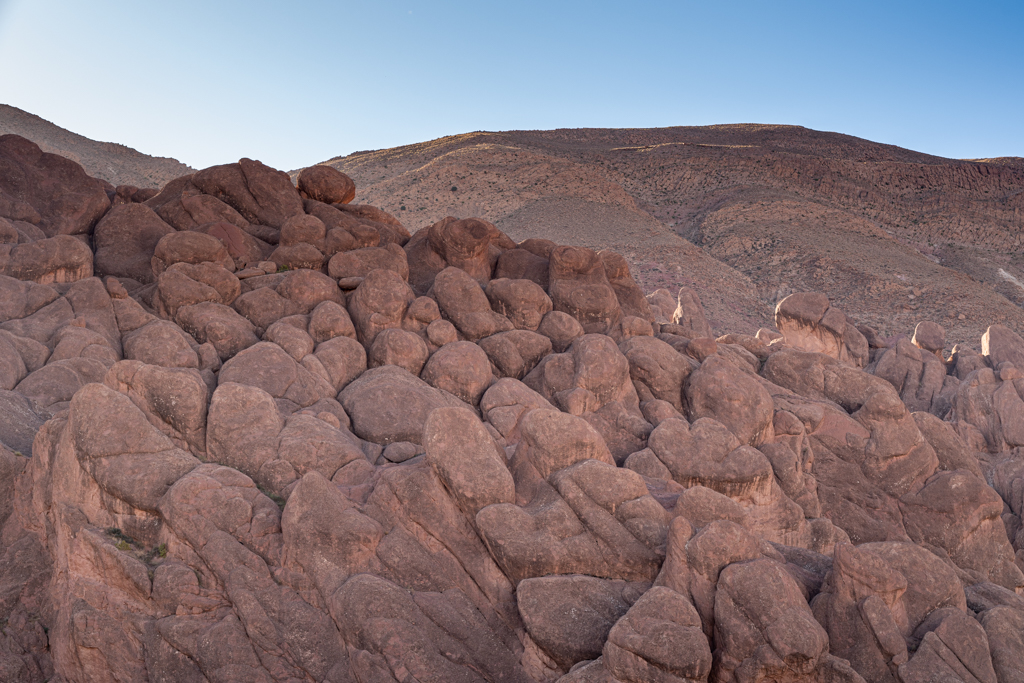
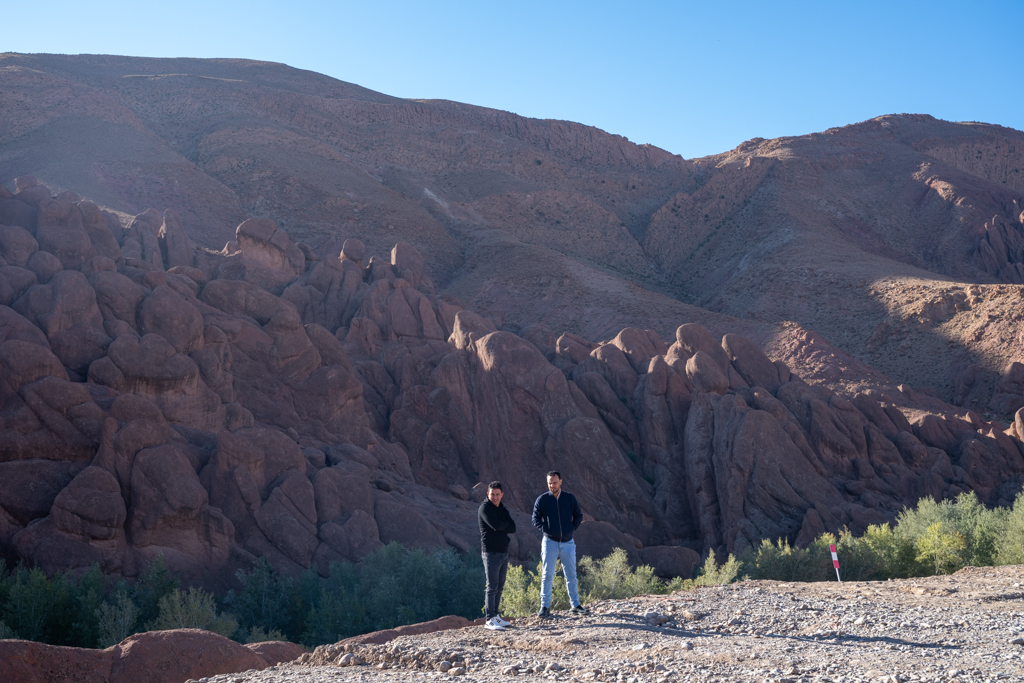
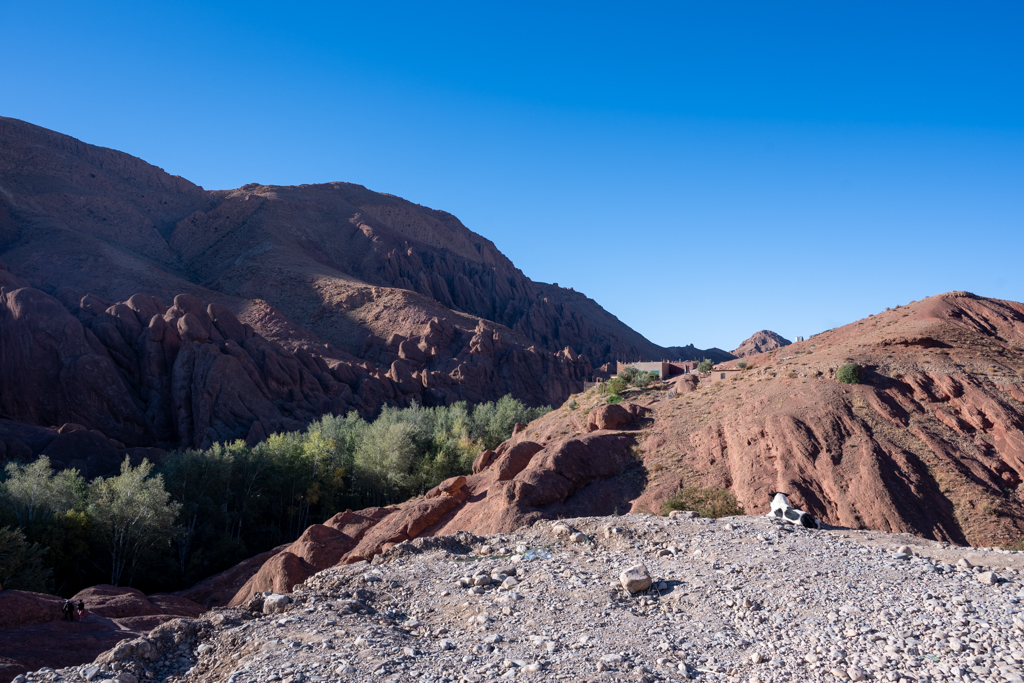
The Dadès Gorges, carved into the red and rose-colored rock of the Atlas Mountains, offered some of the most striking landscapes I saw in Morocco. The winding road revealed steep cliffs, unusual rock formations shaped by erosion, and small villages built into the mountainsides. We stopped at the Monkey Fingers Viewpoint formation, and I took some photographs.
Bara Essence Rose Water
The Bara Essence store specializes in rose water and rose-related products – a signature scent and ingredient in Moroccan culture.
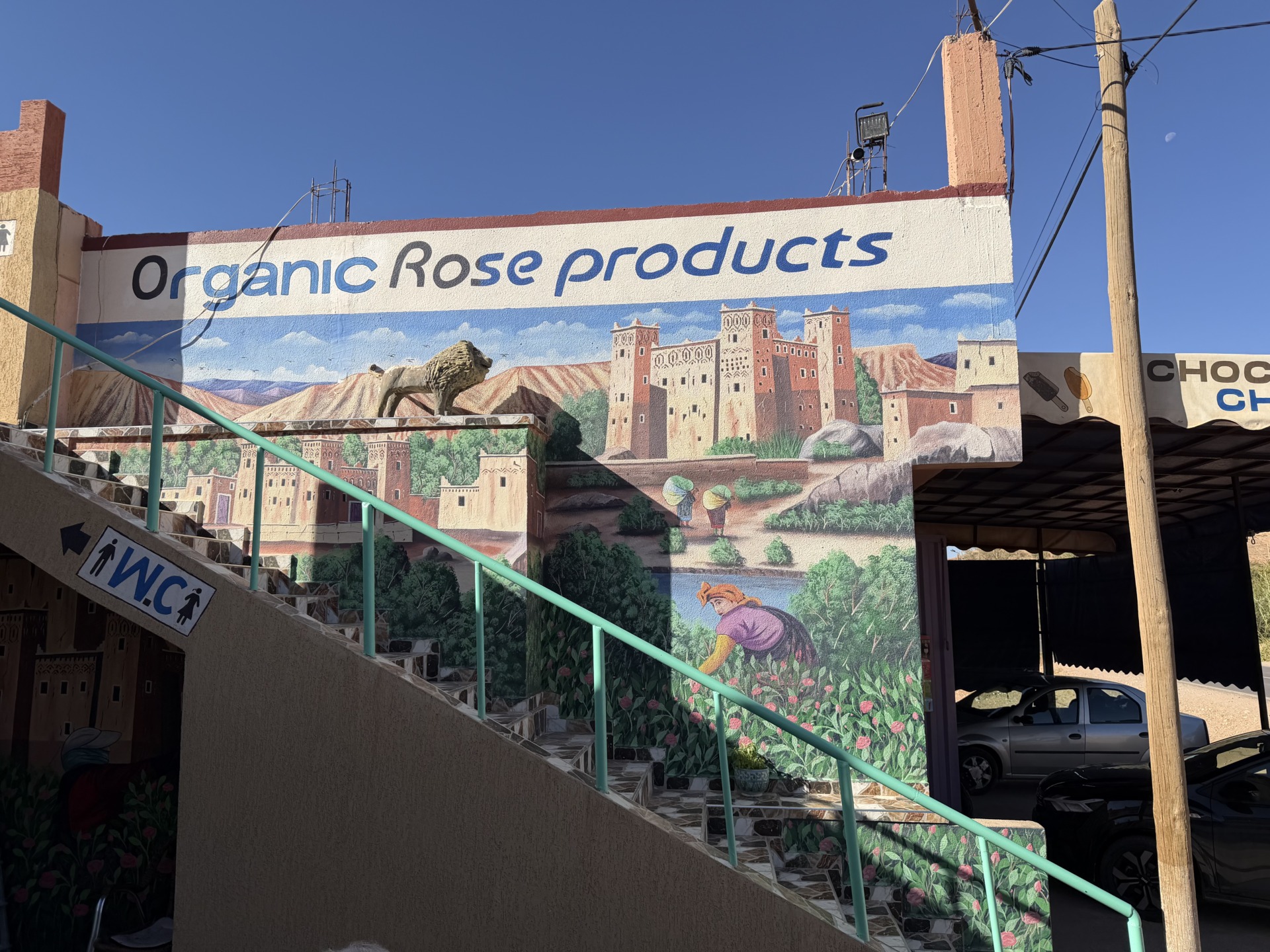
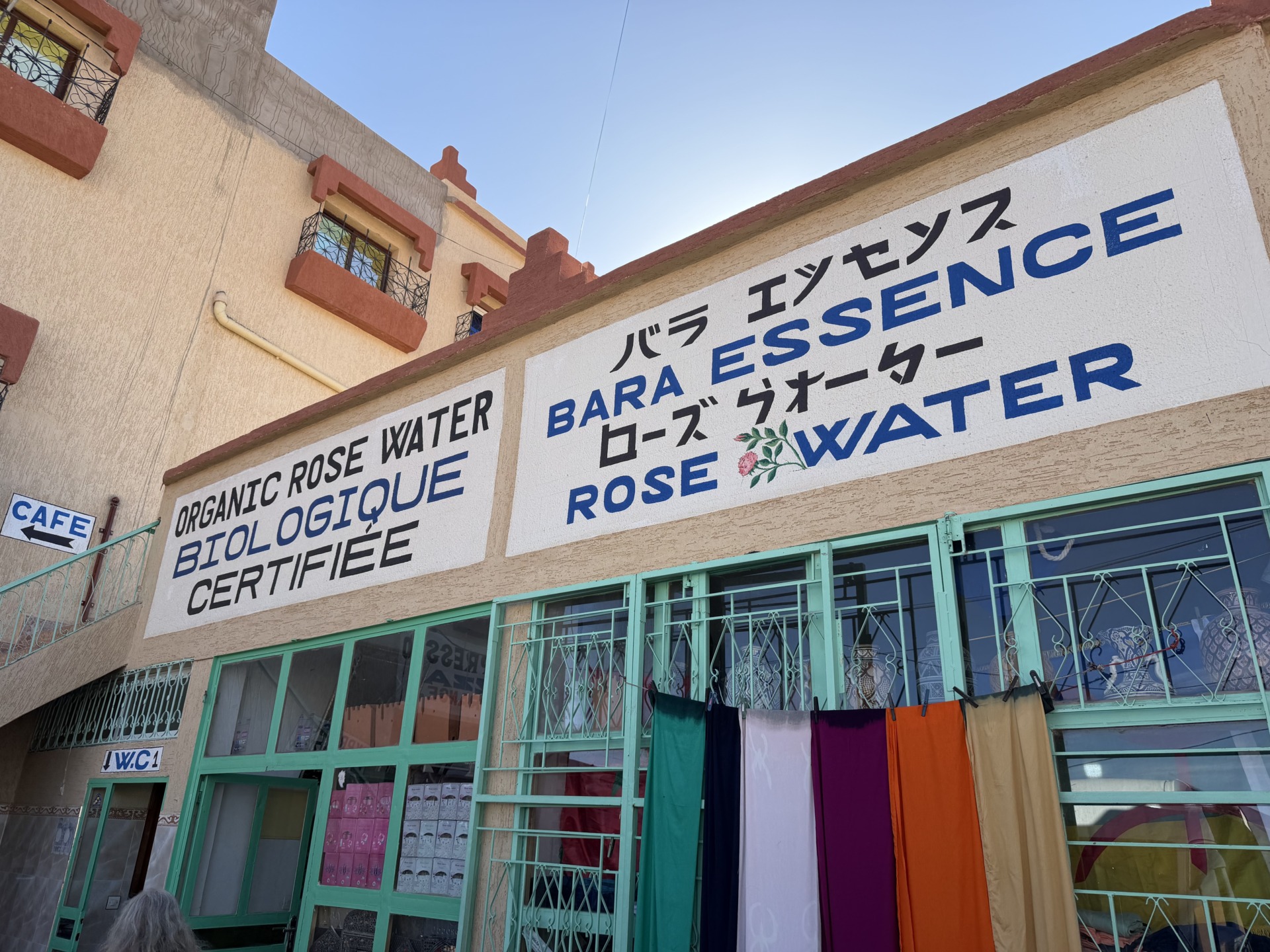
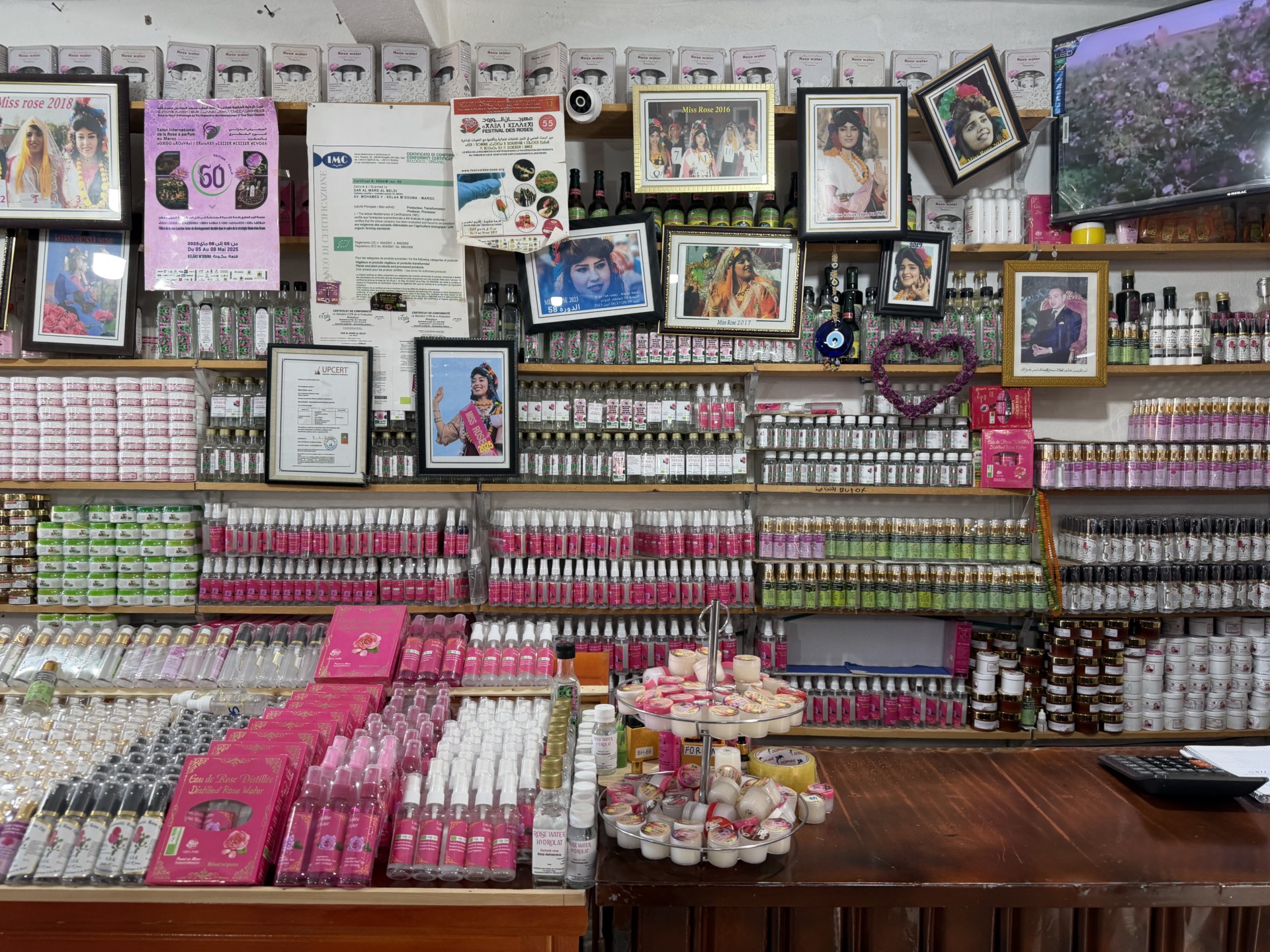
Inside, an array of rose products lined the shelves alongside clothing and scarfs.
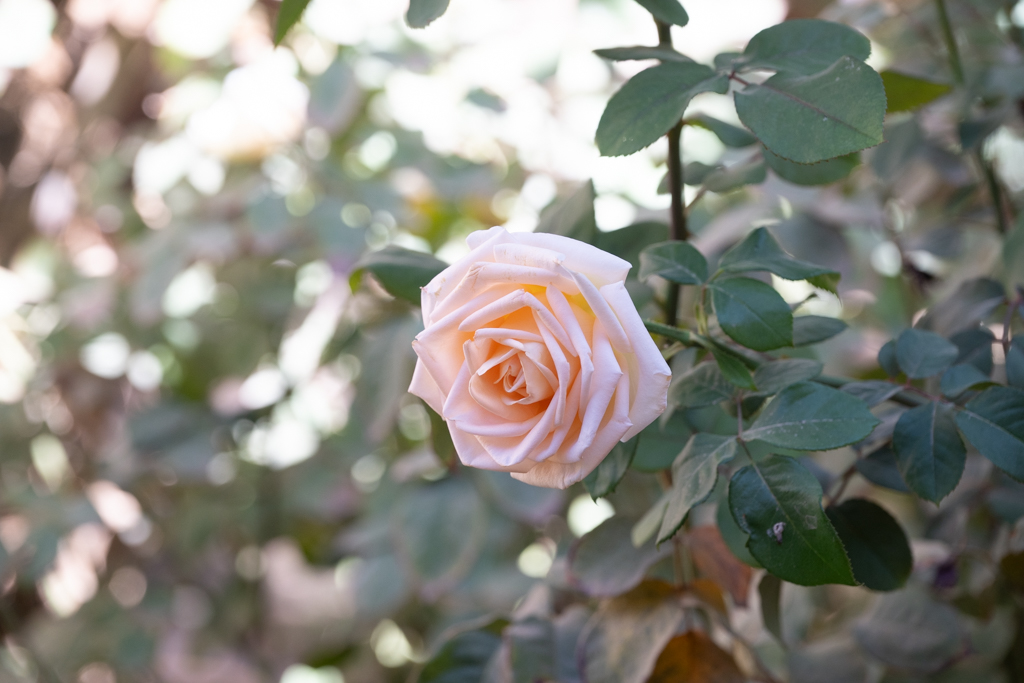
The history of the rose in Morocco is deeply rooted in centuries-old tradition, especially in the region of the Valley of Roses near El Kelaa M’Gouna. Introduced to Morocco – according to local lore – by traders traveling along ancient caravan routes, the famed Damask rose adapted perfectly to the valley’s climate.
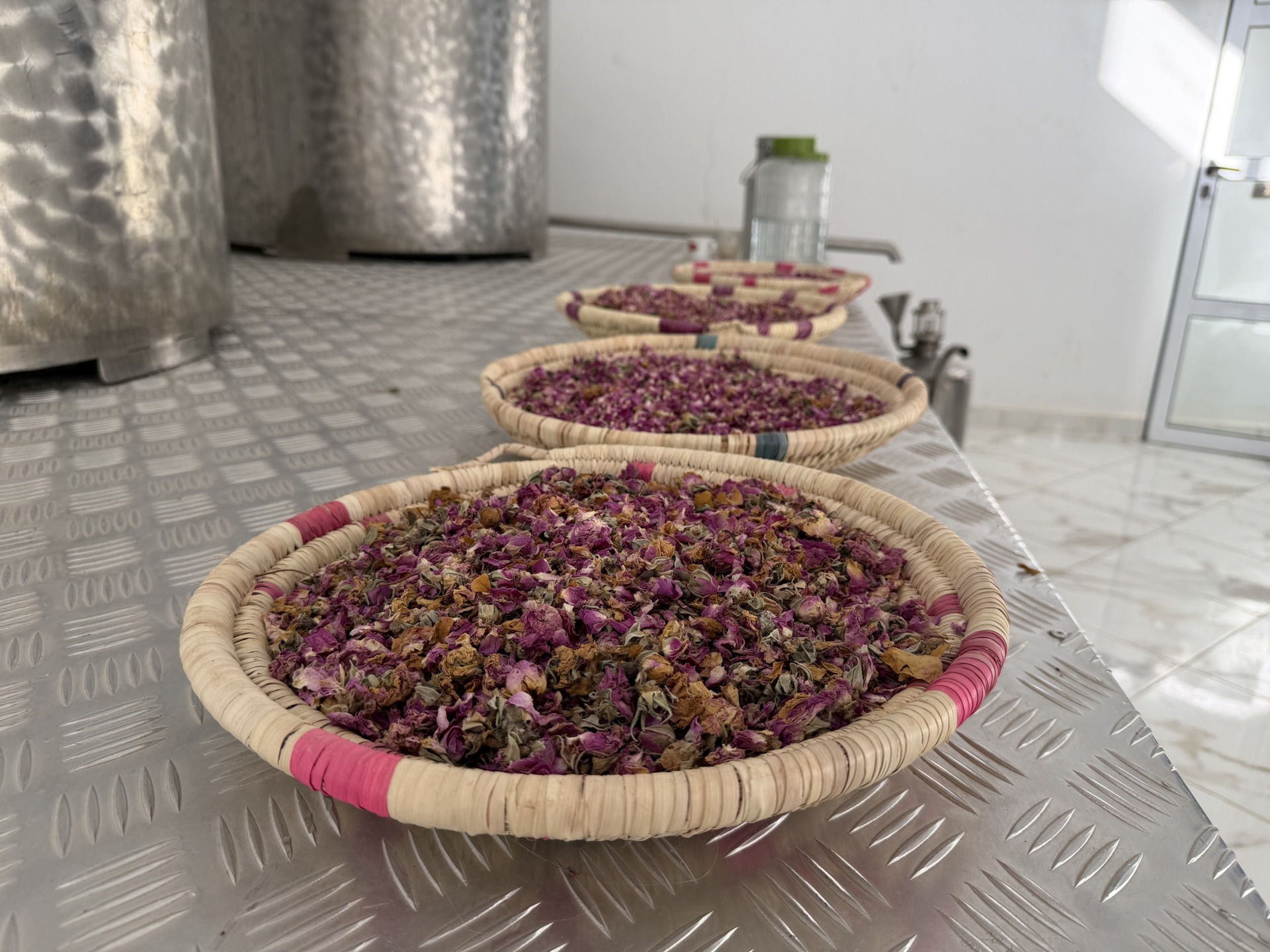
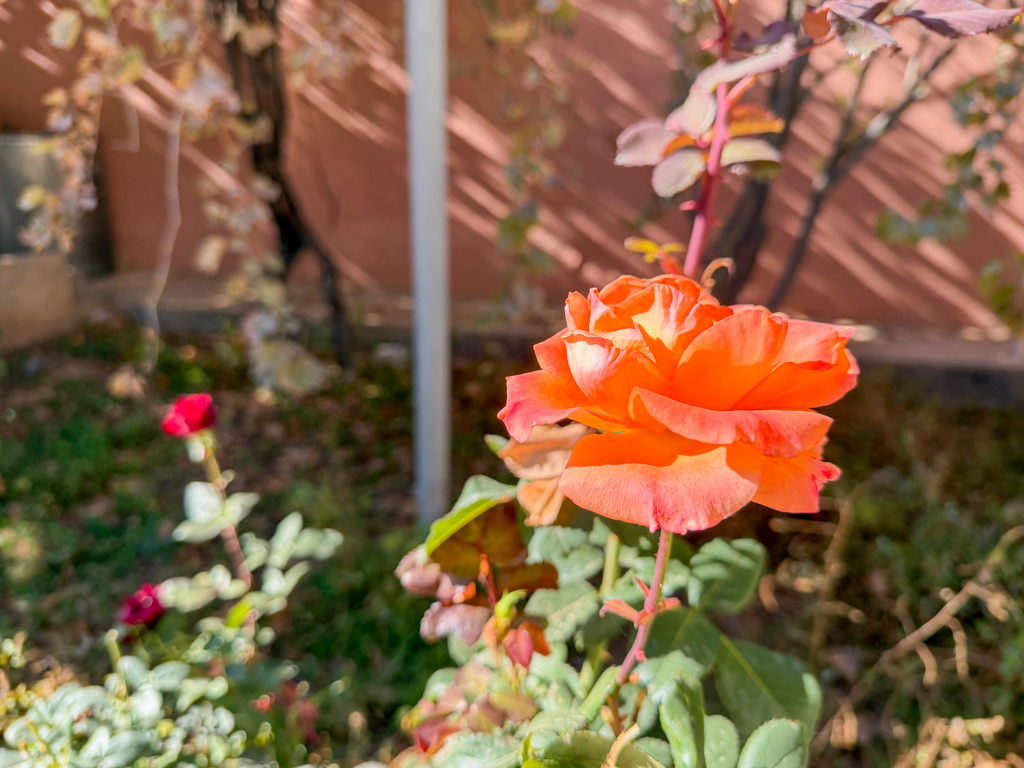
By the 10th century, rose cultivation had become an integral part of local agriculture, with communities developing methods to harvest and distill the blossoms into rose water and essential oils.
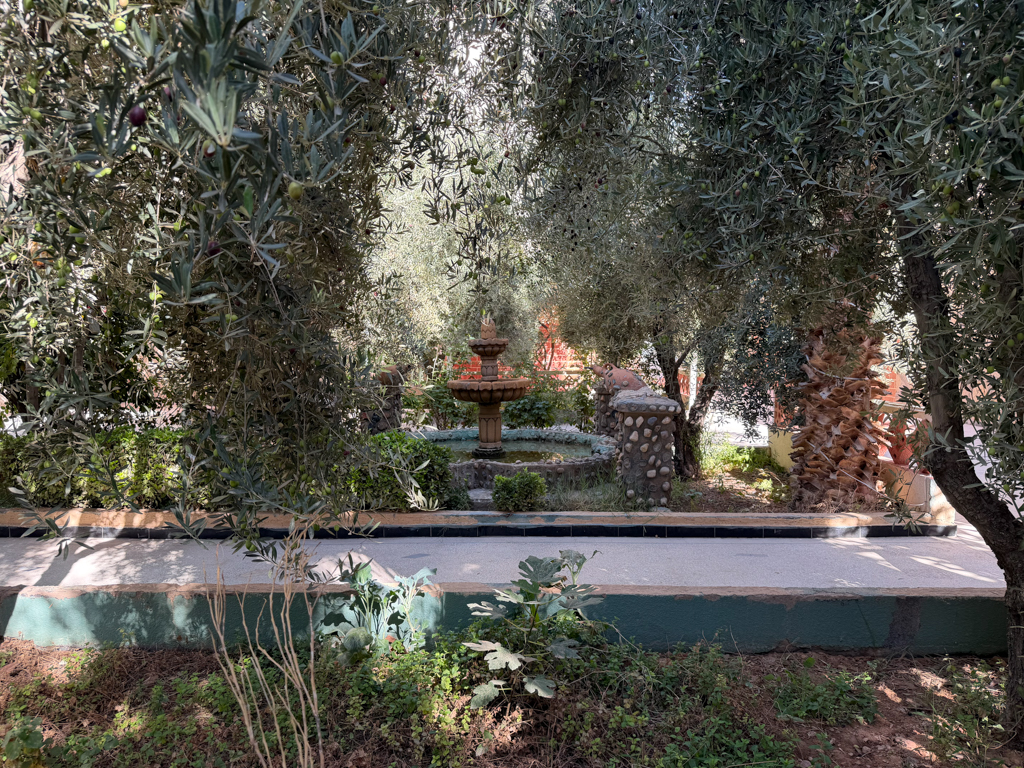
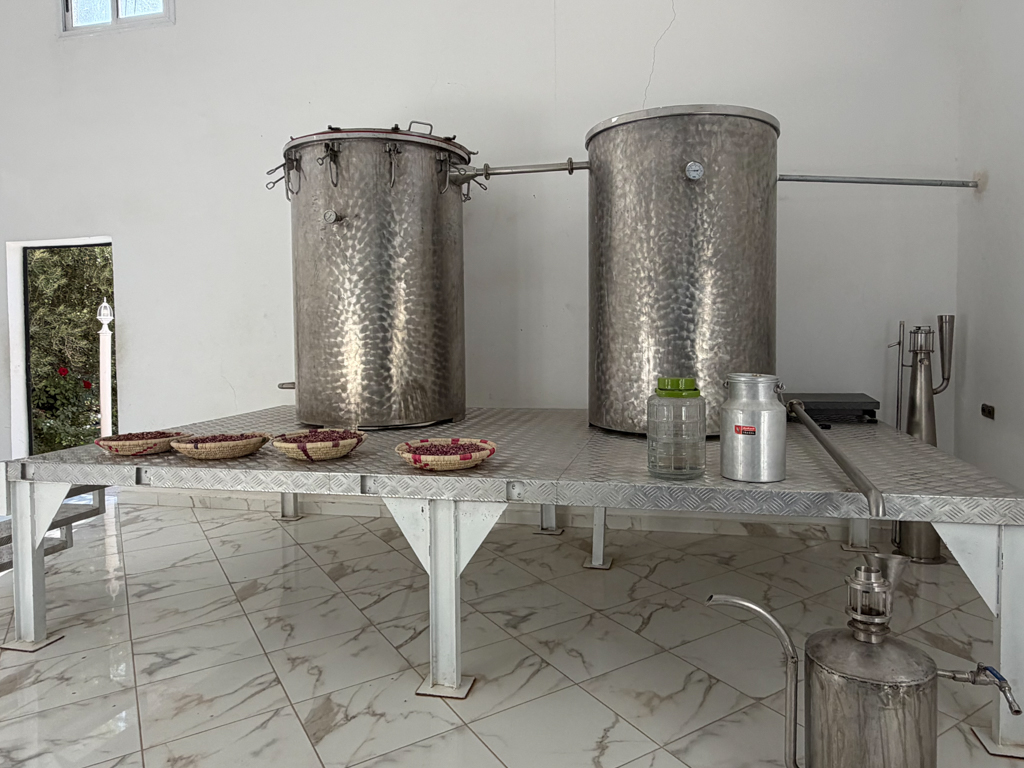
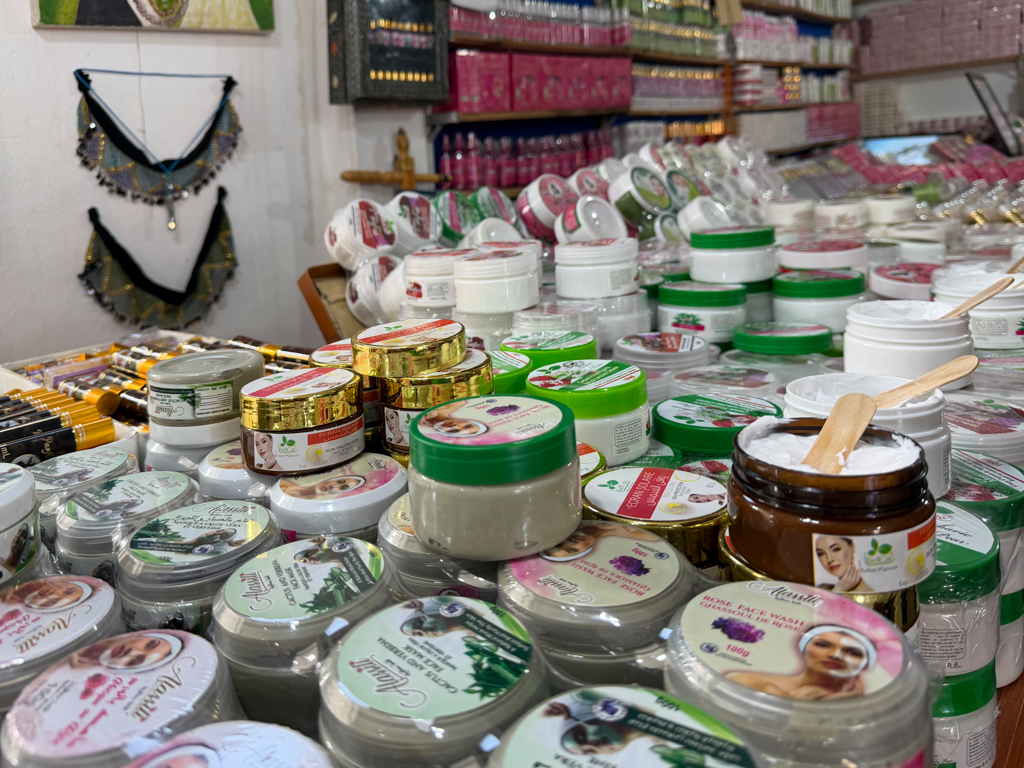
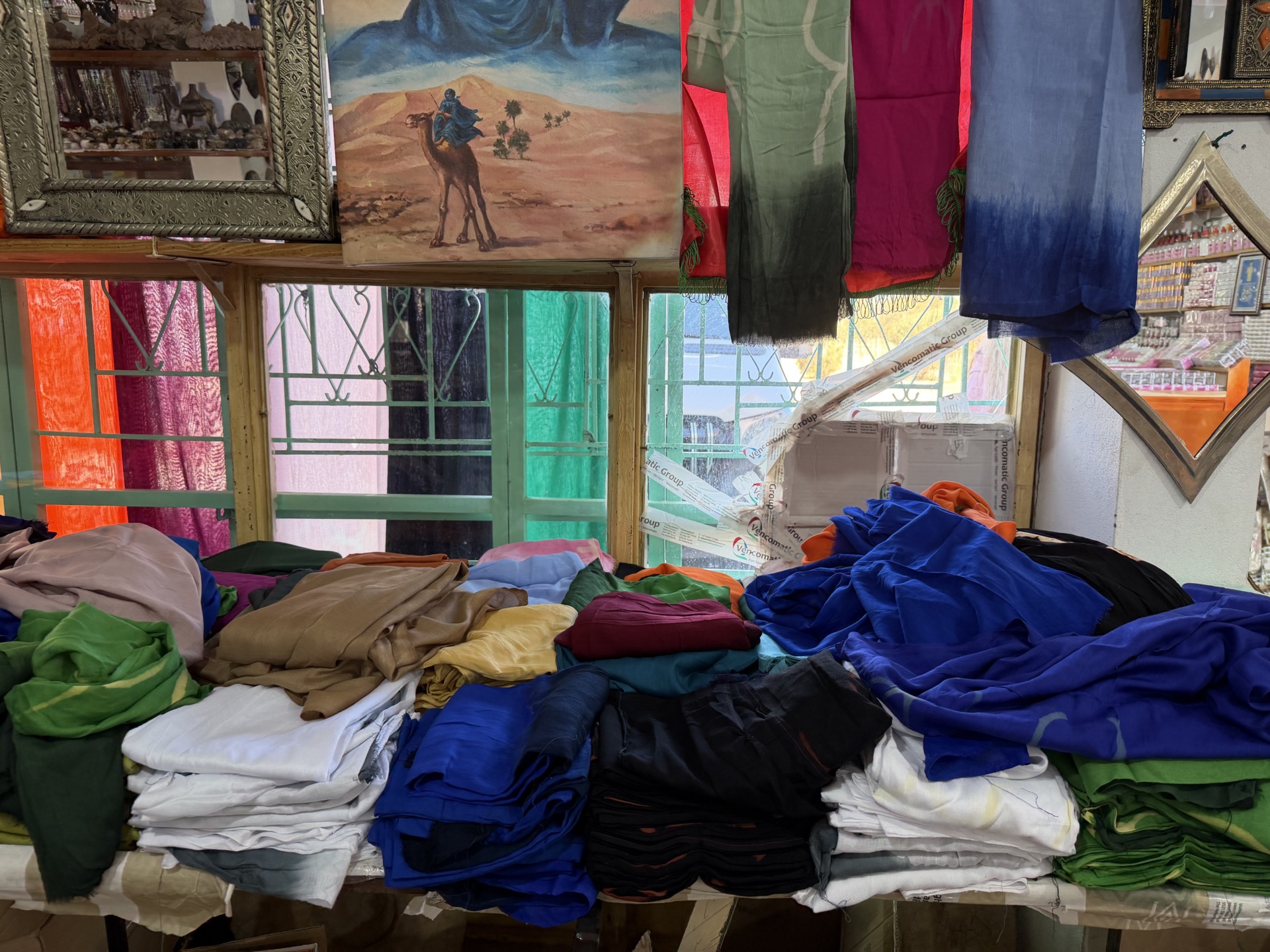
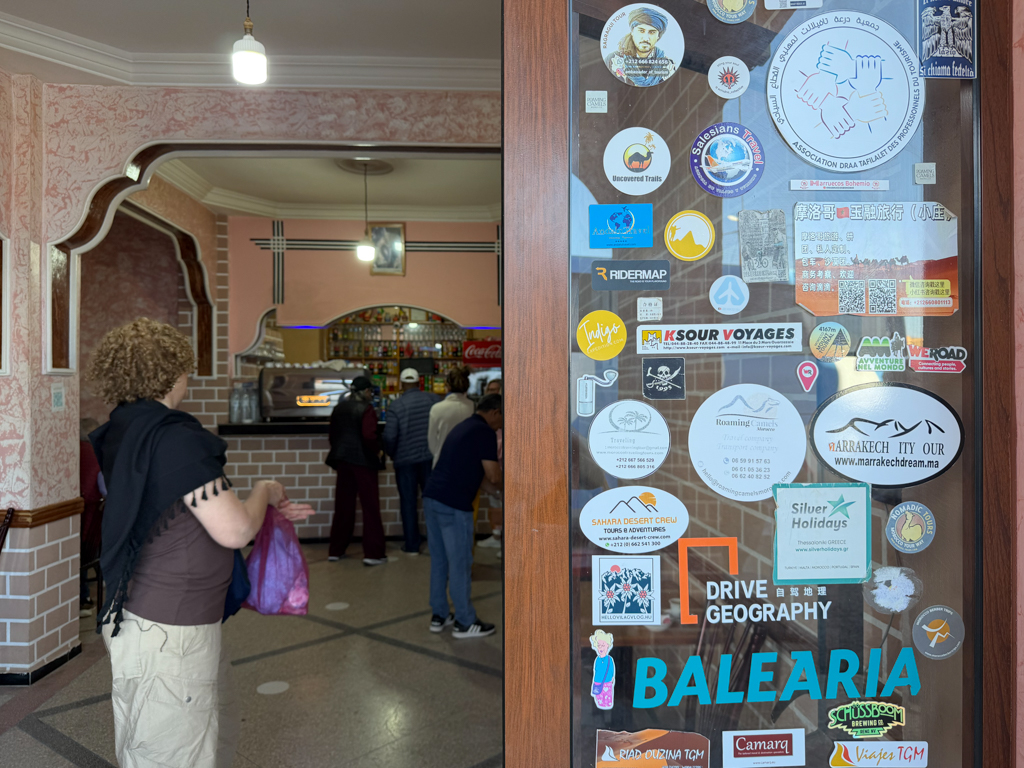
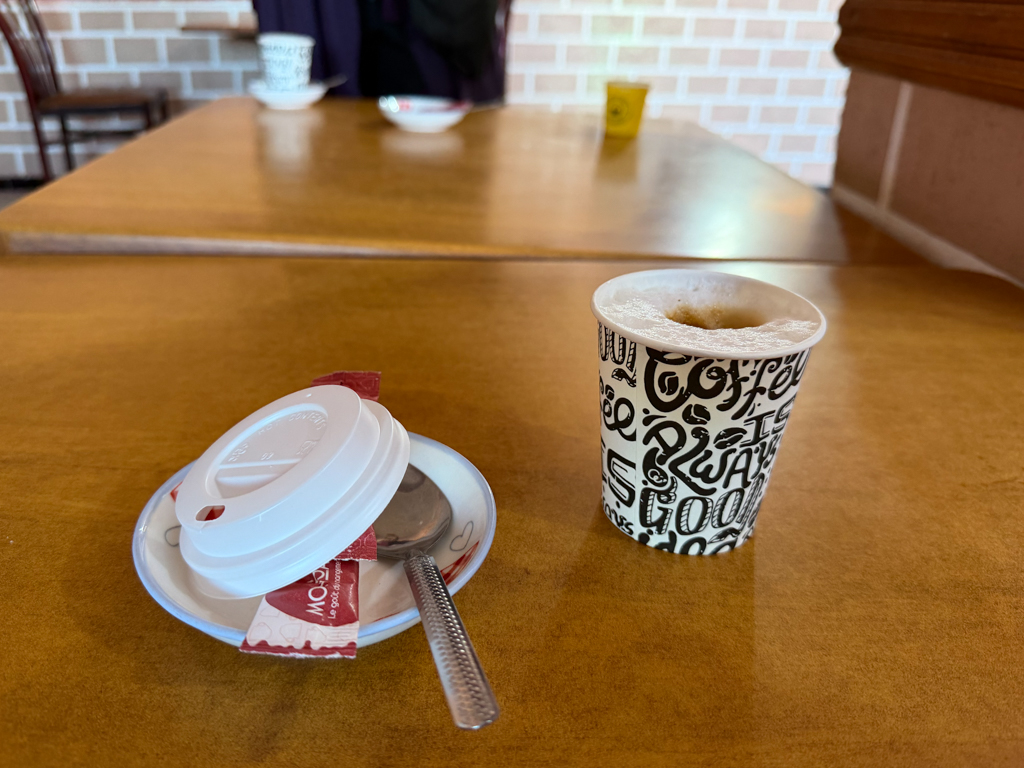
The scent was floral and fresh and I bought a few items. The smell and quality – along with the price – was incredible. Plus afterward, it was great to get a coffee at the next door cafe.
Kasbah Amridil
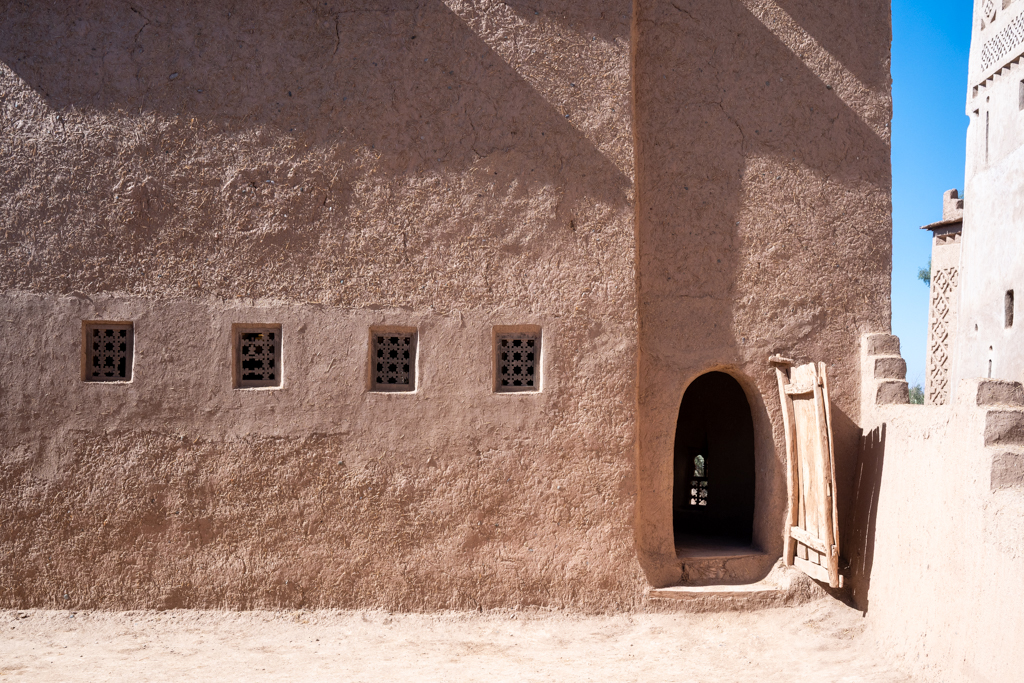
Kasbah Amridil, located in the Skoura Oasis, was one of the most historically rich sites I visited in Morocco. Originally built in the 17th century by the Nassiri family, the kasbah served as both a fortified home and a center of local governance, protecting key trade routes and storing valuable goods for the surrounding community.
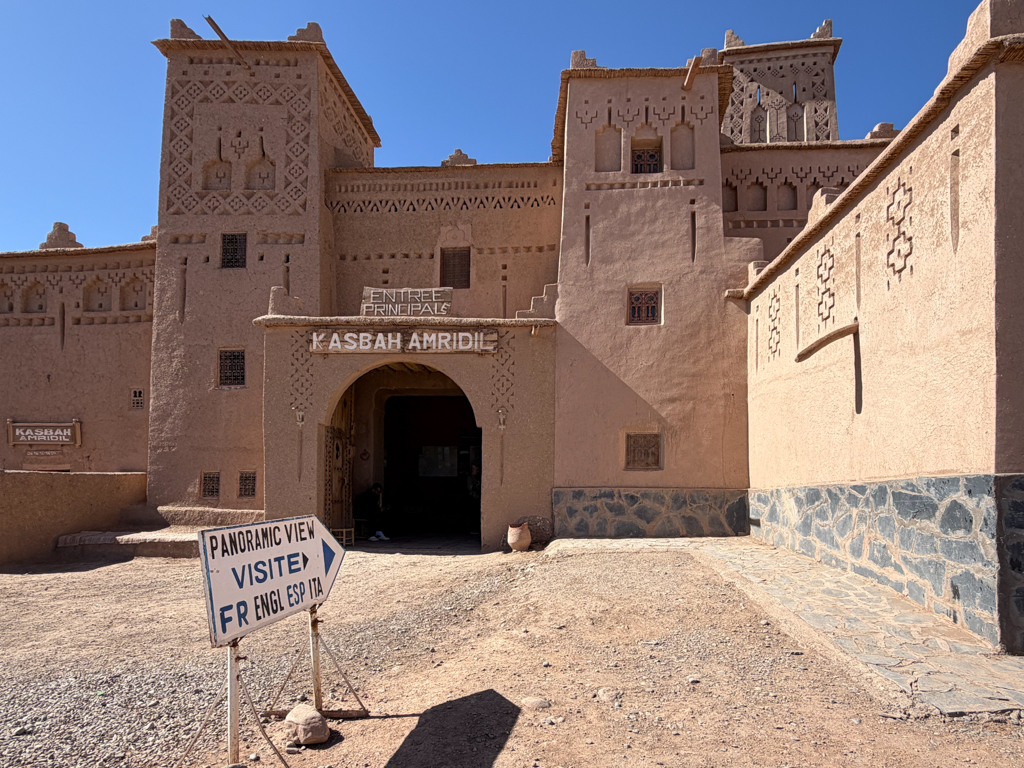
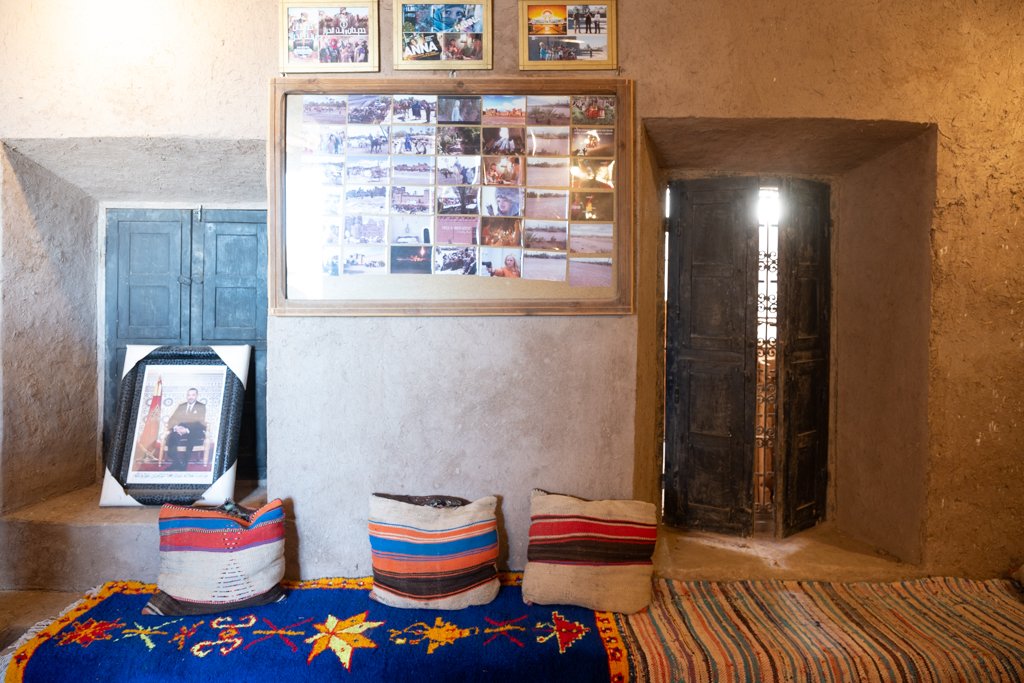
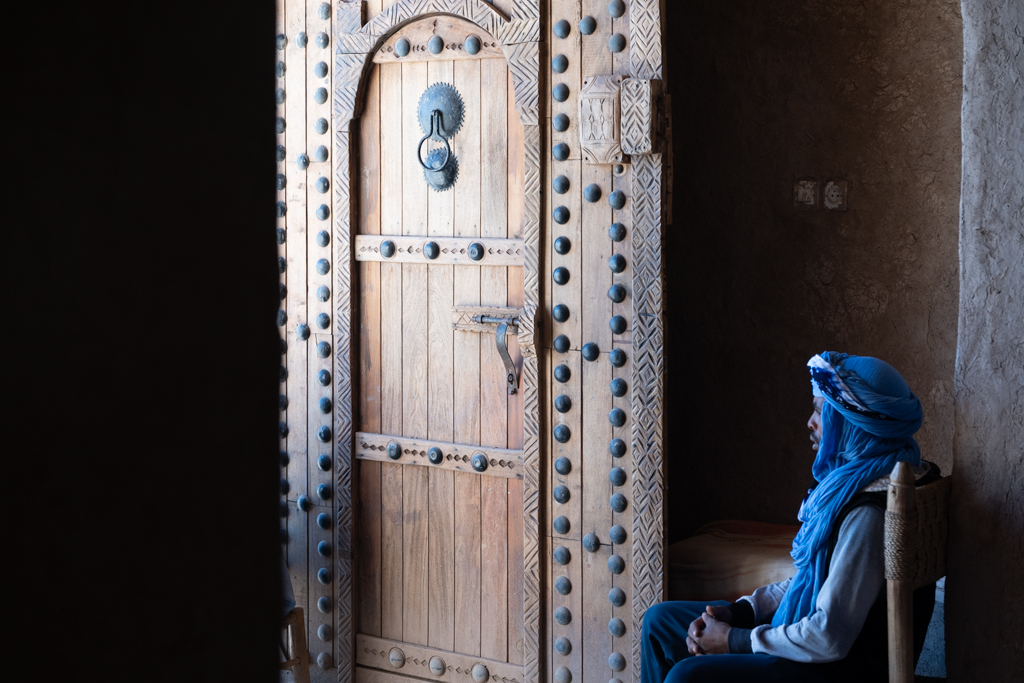
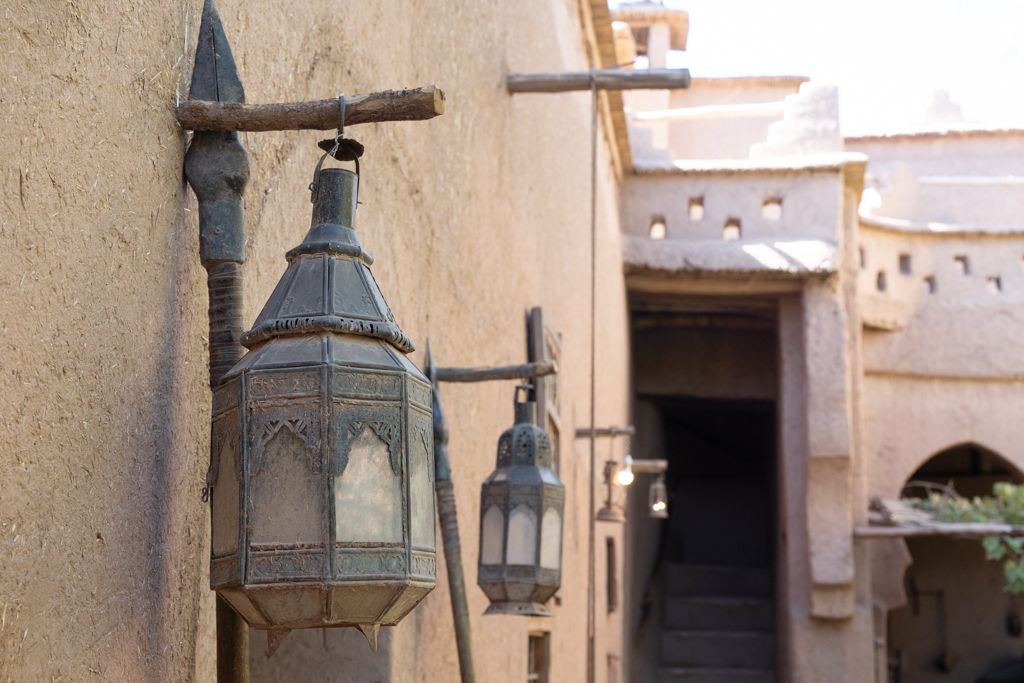
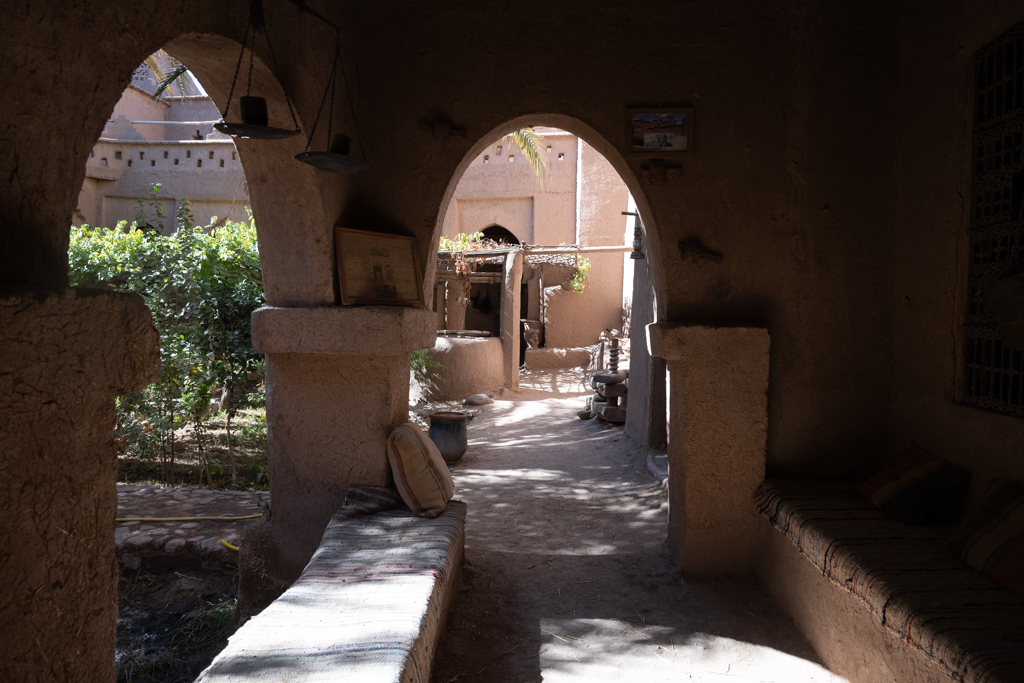
Its mud brick architecture – complete with watchtowers, inner courtyards, narrow staircases, and detailed earthen designs – is one of the best-preserved examples of traditional southern Moroccan construction.
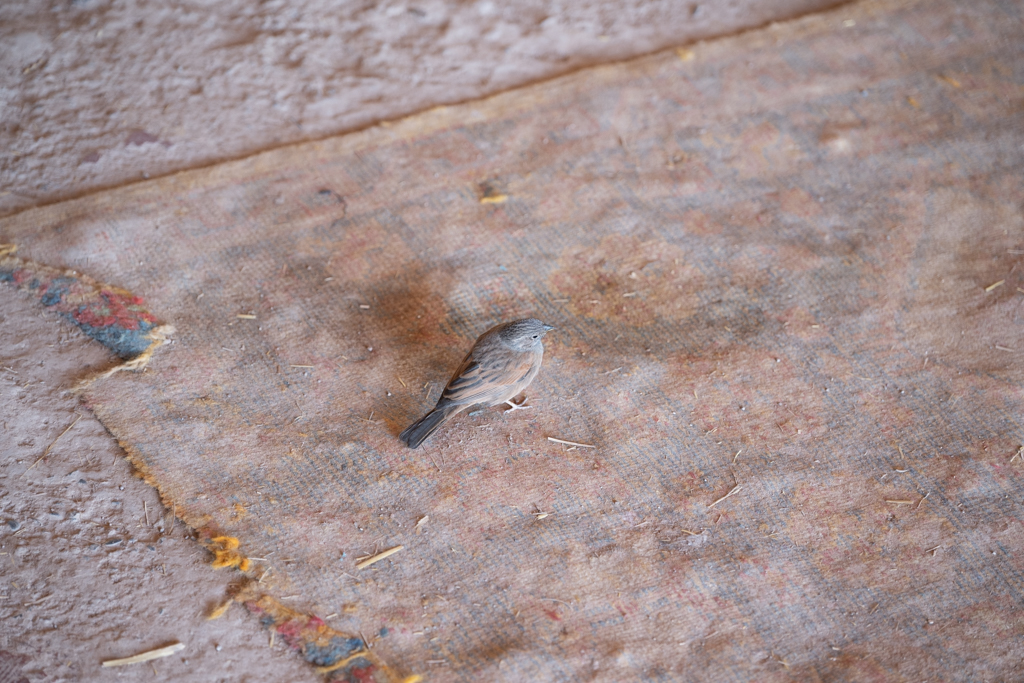
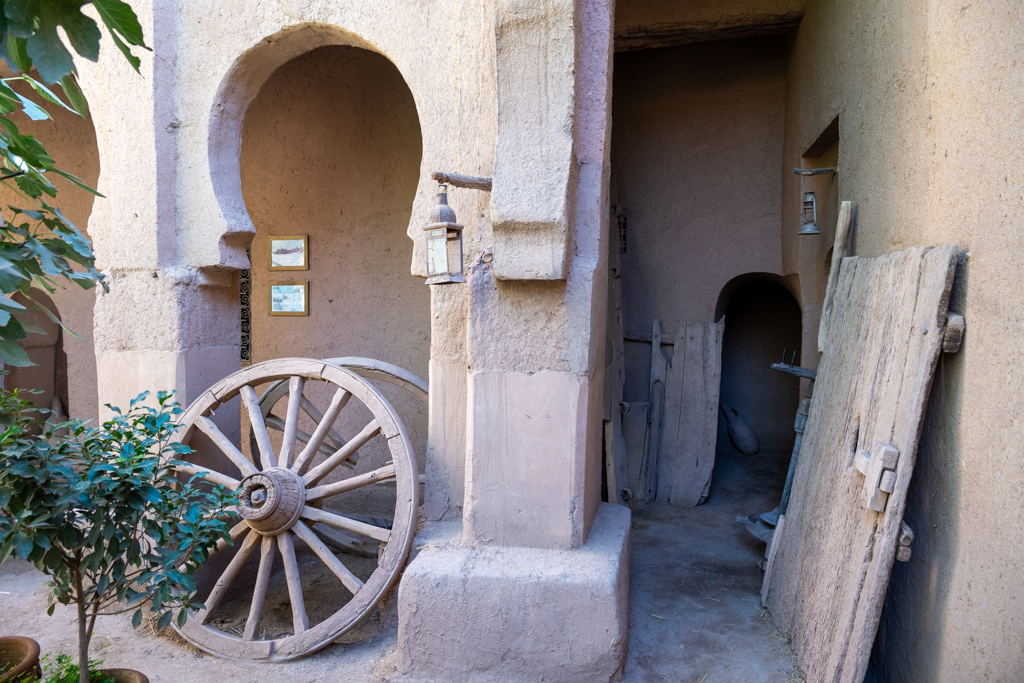
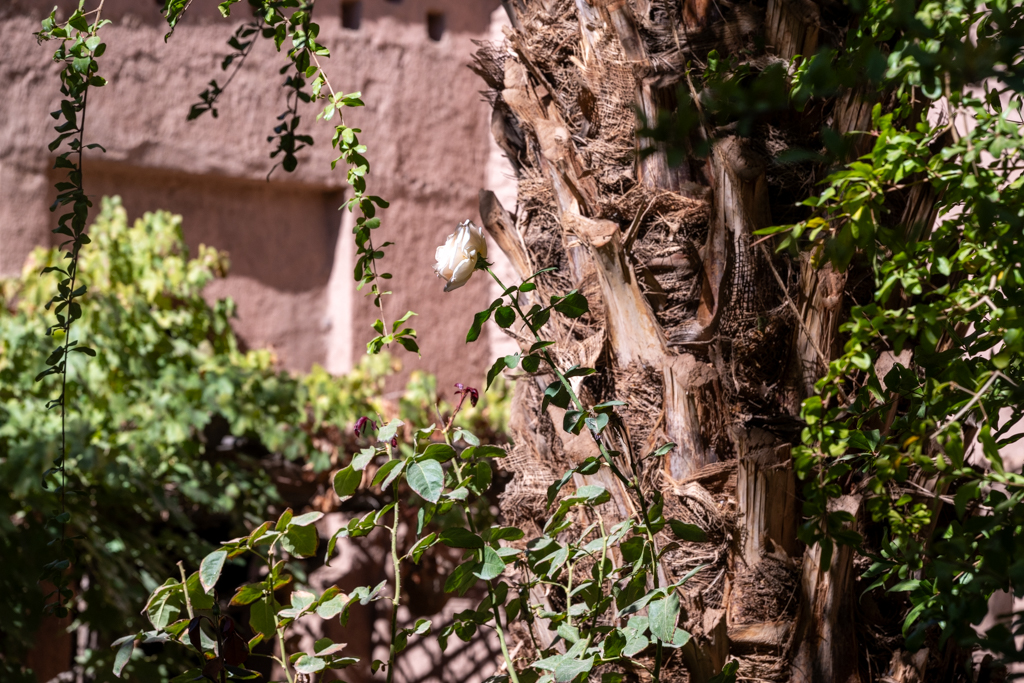
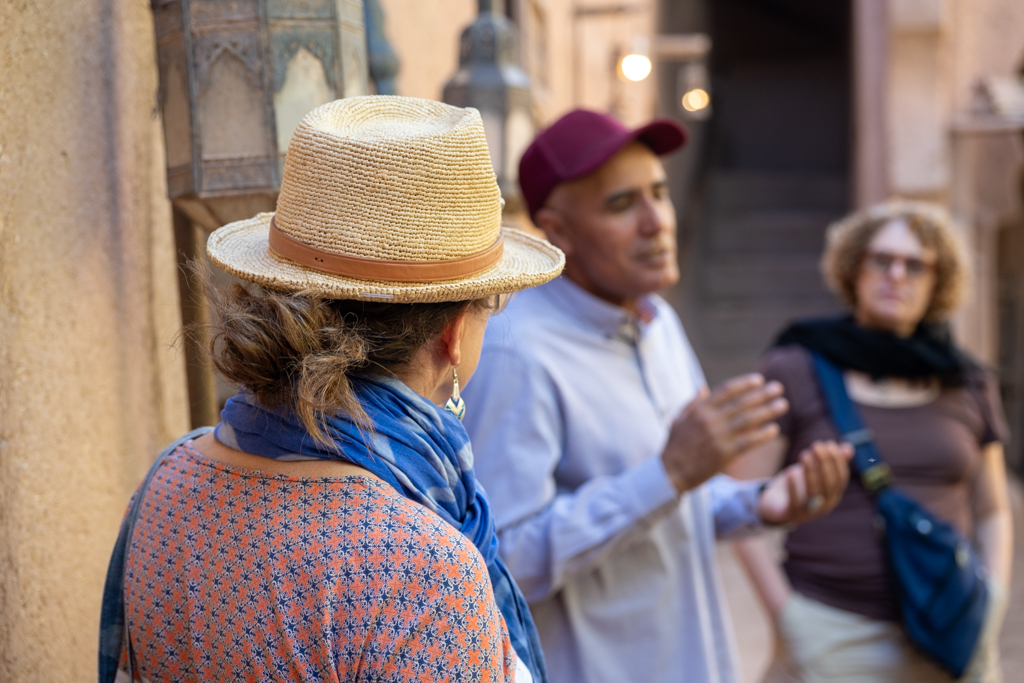
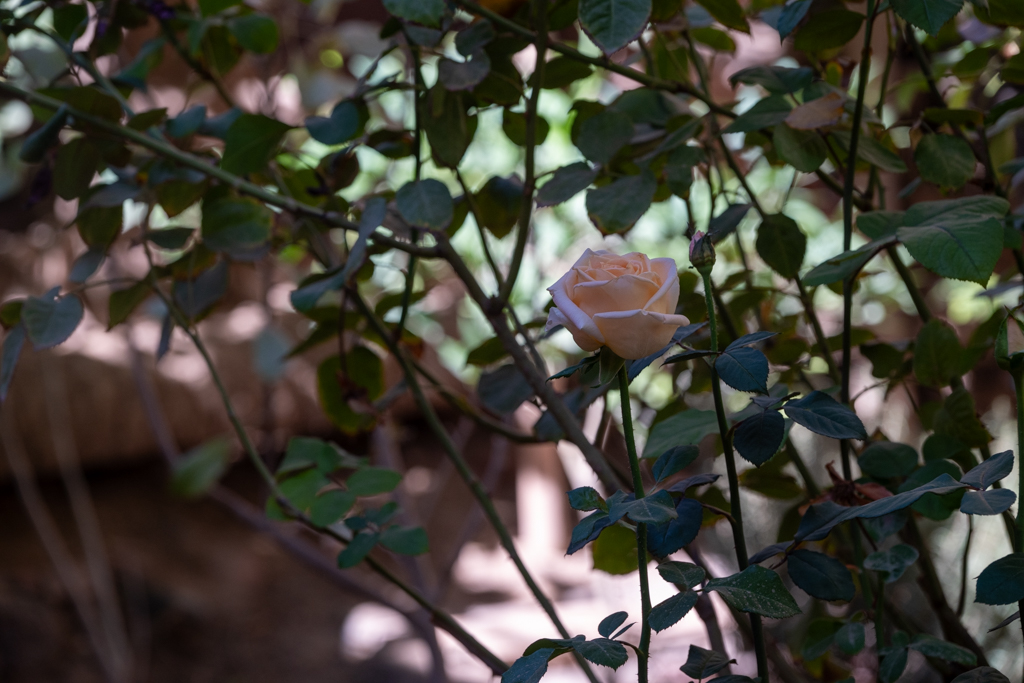
The oasis around it once supported caravans traveling between the Sahara and major cities, providing water, fertile soil, and shade from its thousands of date palms. Our guide walked us through the kasbah room by room, allowing us to explore every nook and cranny, from the kitchens and grain stores to the rooftop terraces with views of the palm groves.
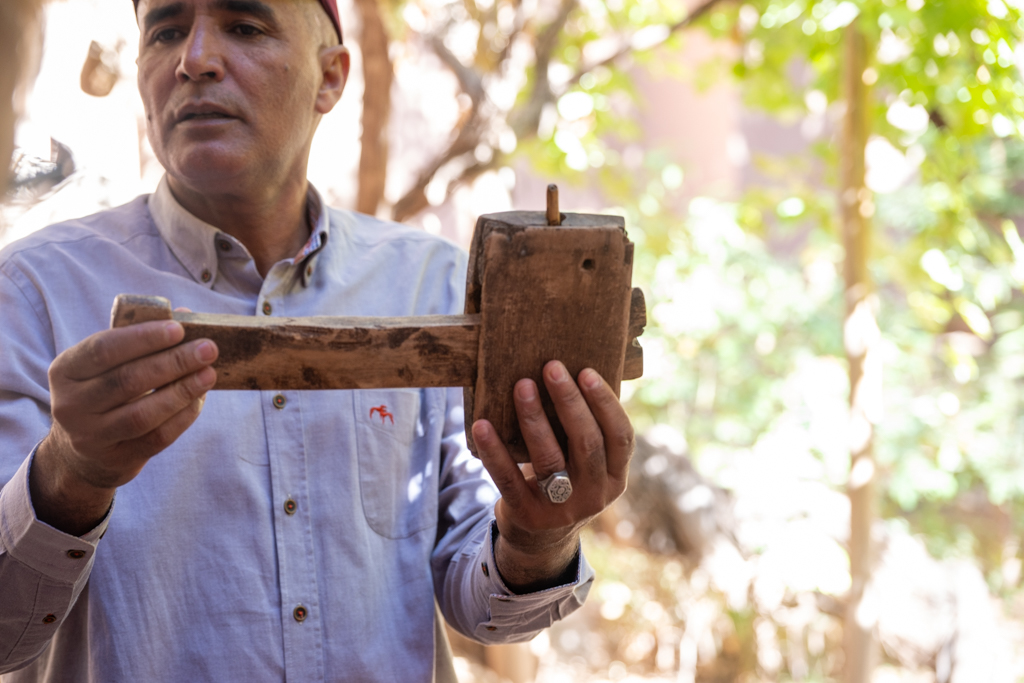
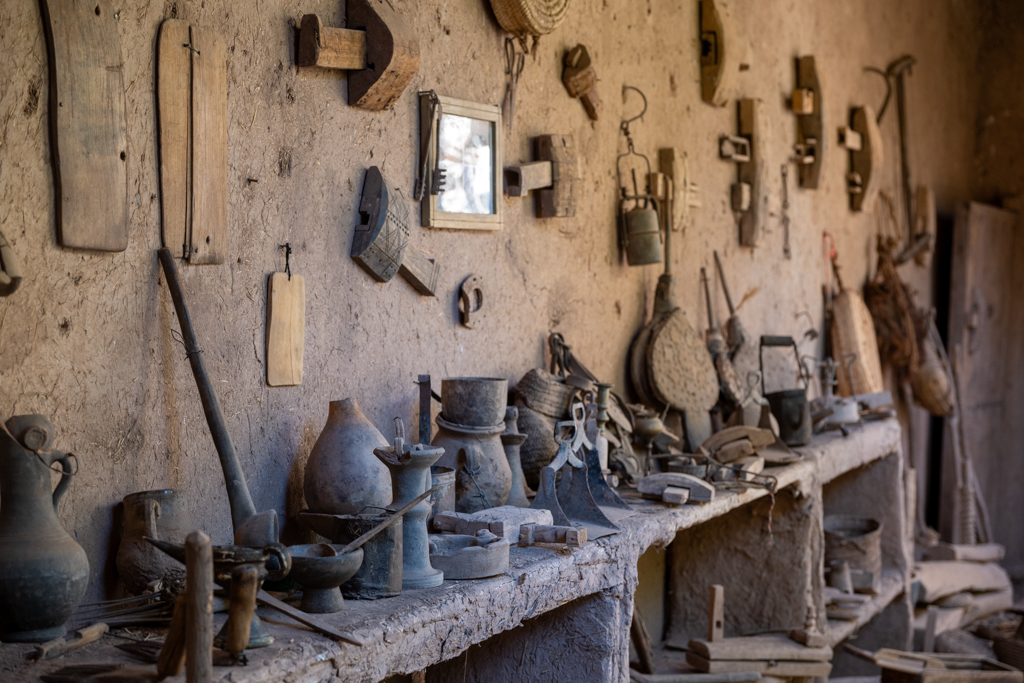
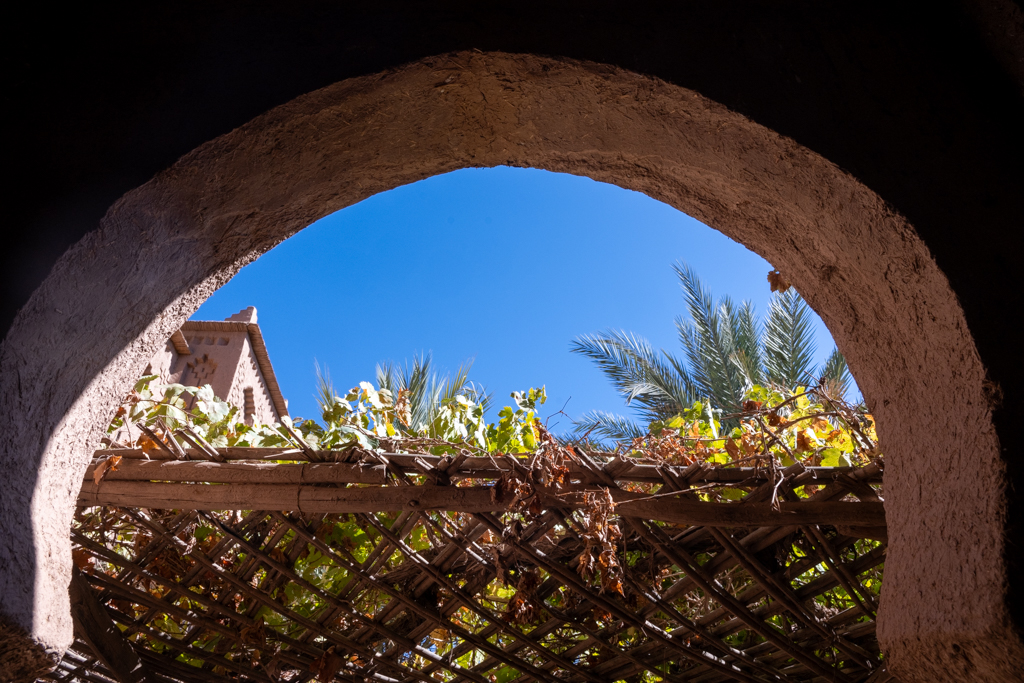
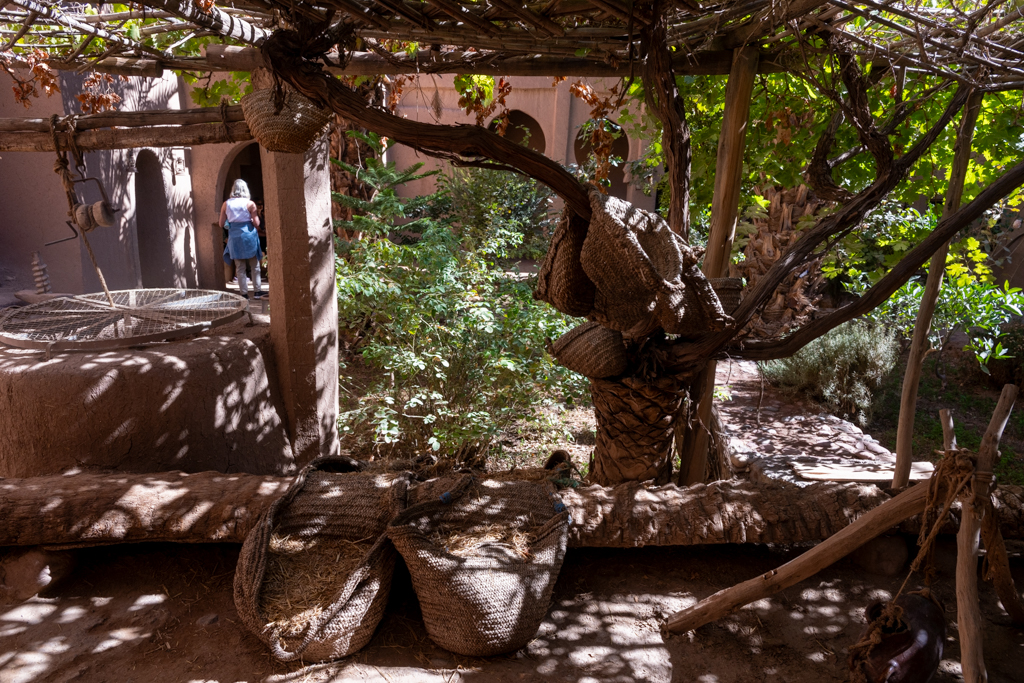
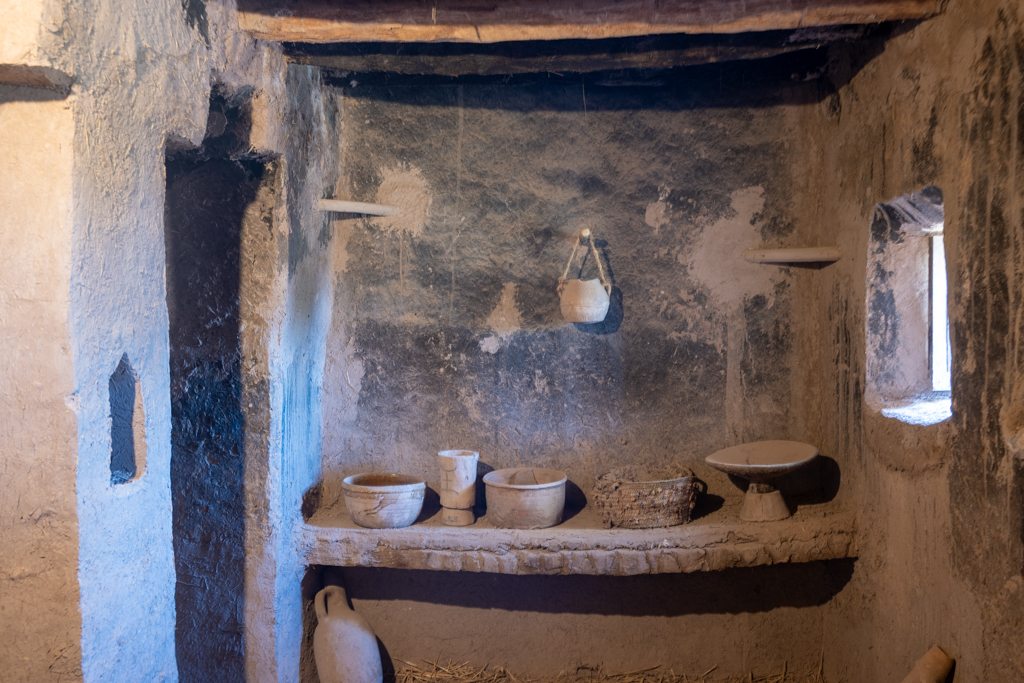
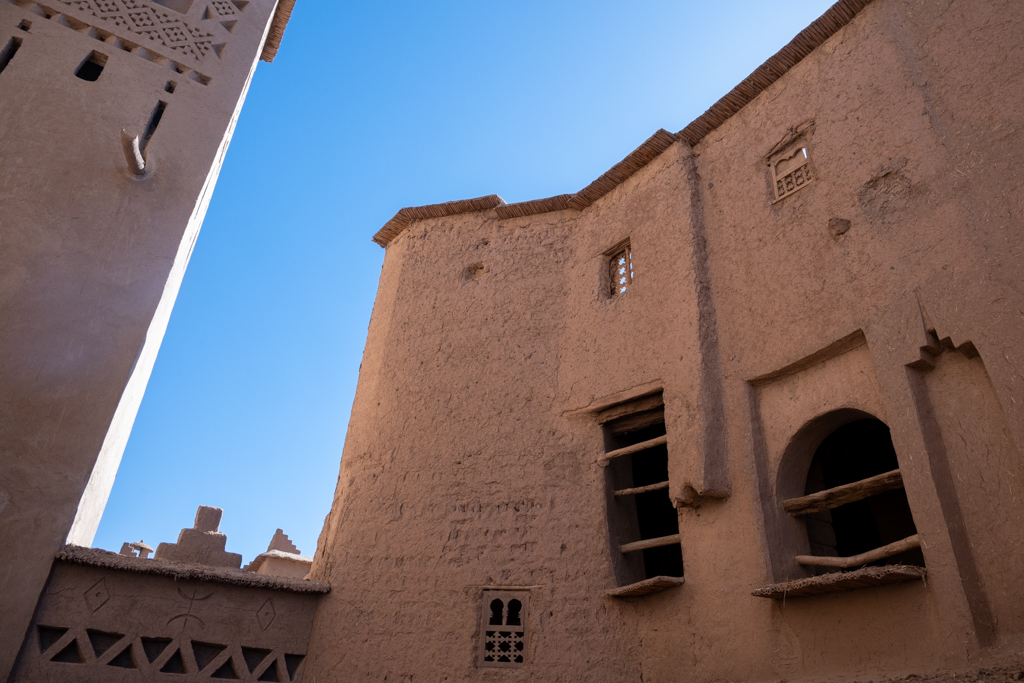
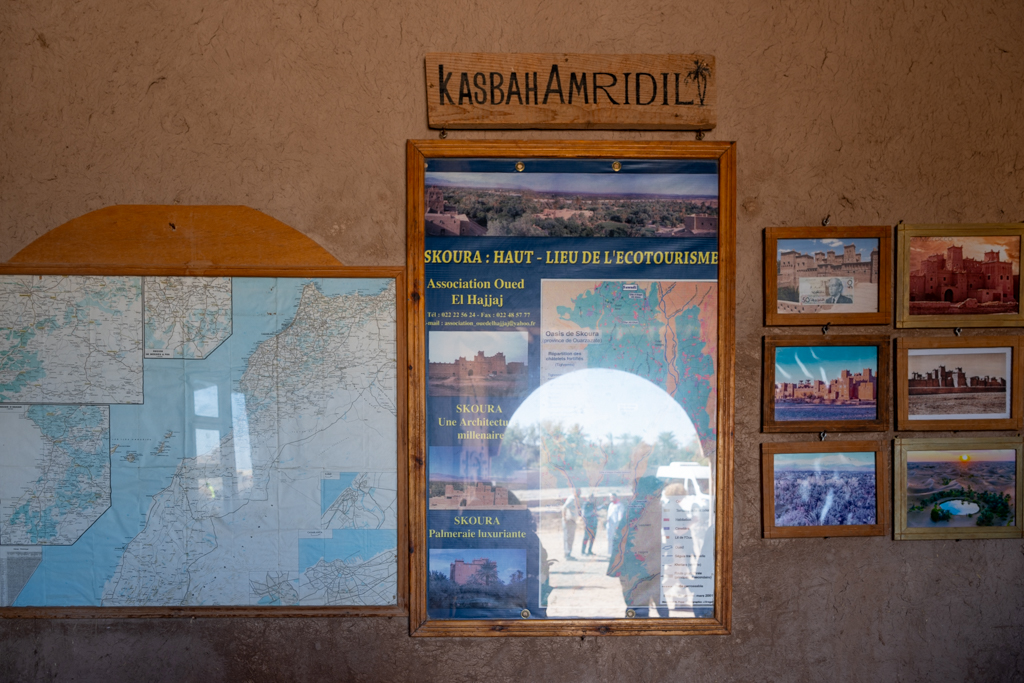
Kasbah Amridil even appears on the 50 dirham banknote, a testament to its cultural importance. Visiting it offered a clear sense of how architecture, community life, and oasis agriculture all connected in this region’s history.
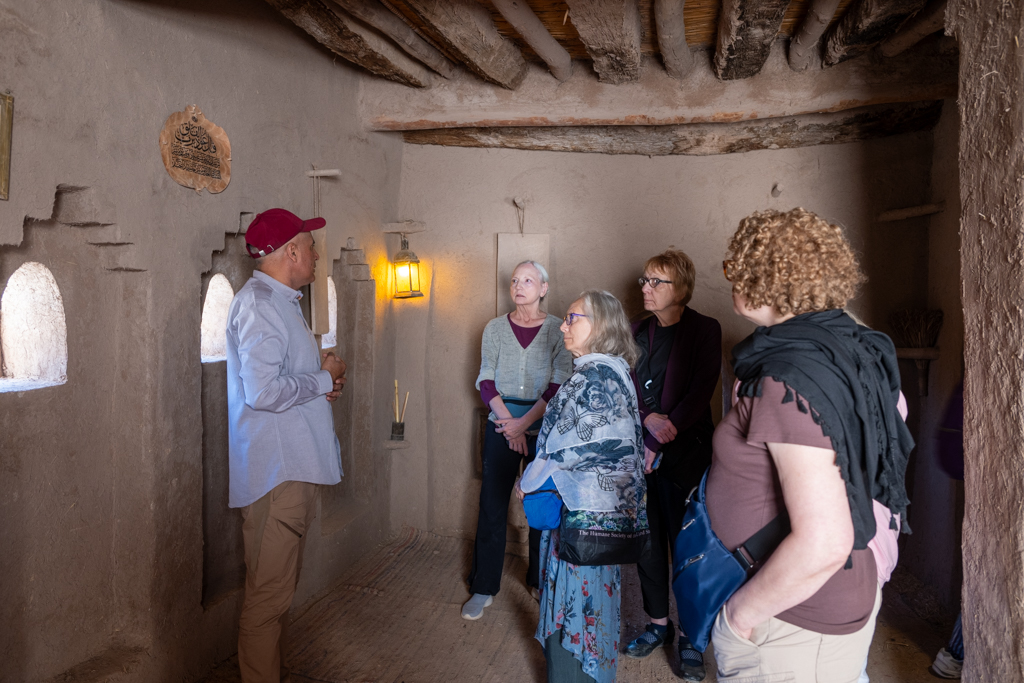
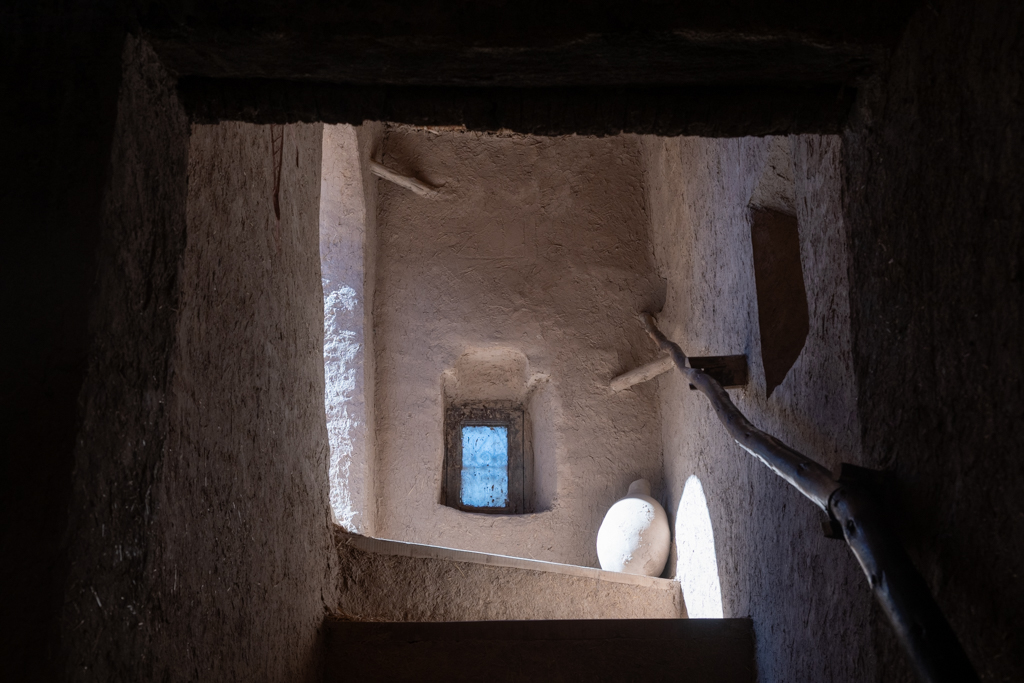
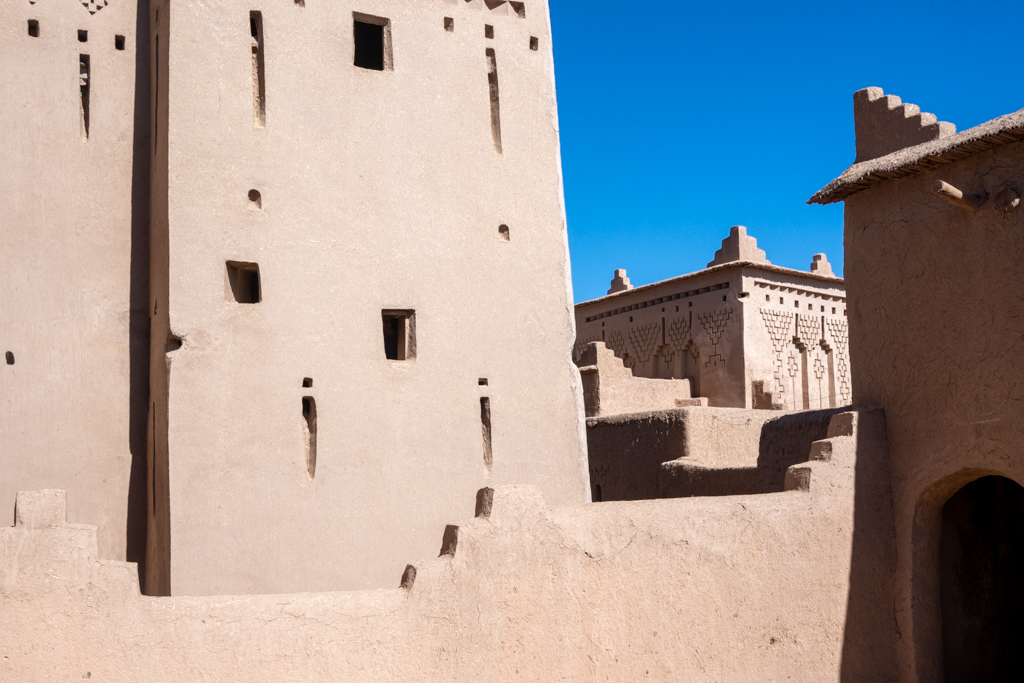
By the end of the day, I felt like I had seen three very different but equally meaningful pieces of Moroccan life – from the rugged cliffs of the Dadès Gorges to the soft fragrance of rose water and the rich history preserved within Kasbah Amridil. Each stop added a layer of understanding about how people have lived, traded, and adapted in this region for generations. It was a full but rewarding day that deepened my appreciation for the diversity and depth of Morocco’s culture and landscape.
Related Reviews
 Road to the Oasis: Rissani Market and Fossils of Morocco at Macro Fossiles Kasbah
 A Private Tour of the Hassan II Mosque in Casablanca, Morocco
 A Taste of Tradition: Sharing Lunch and Music with a Nomadic Moroccan Family in Âit Qufella
 Hiking and Savoring the Sunset at Bouzafer Mosque – the Spanish Mosque – in Chefchaouen Morocco