
As the tour group continued our journey from Fes toward Merzouga (A 10 Day Moroccan Adventure with Kim Larkin Adventures), the landscape and rhythm of Morocco shifted dramatically. In just a few hours, we moved from alpine-style towns to cedar forests filled with macaques, and eventually into the quiet world of nomadic Berber life.
Each stop along the way revealed a completely different side of the country, offering glimpses into its diversity, traditions, and the people who hold those traditions deeply.
A quick stop at Ifrane, Morocco
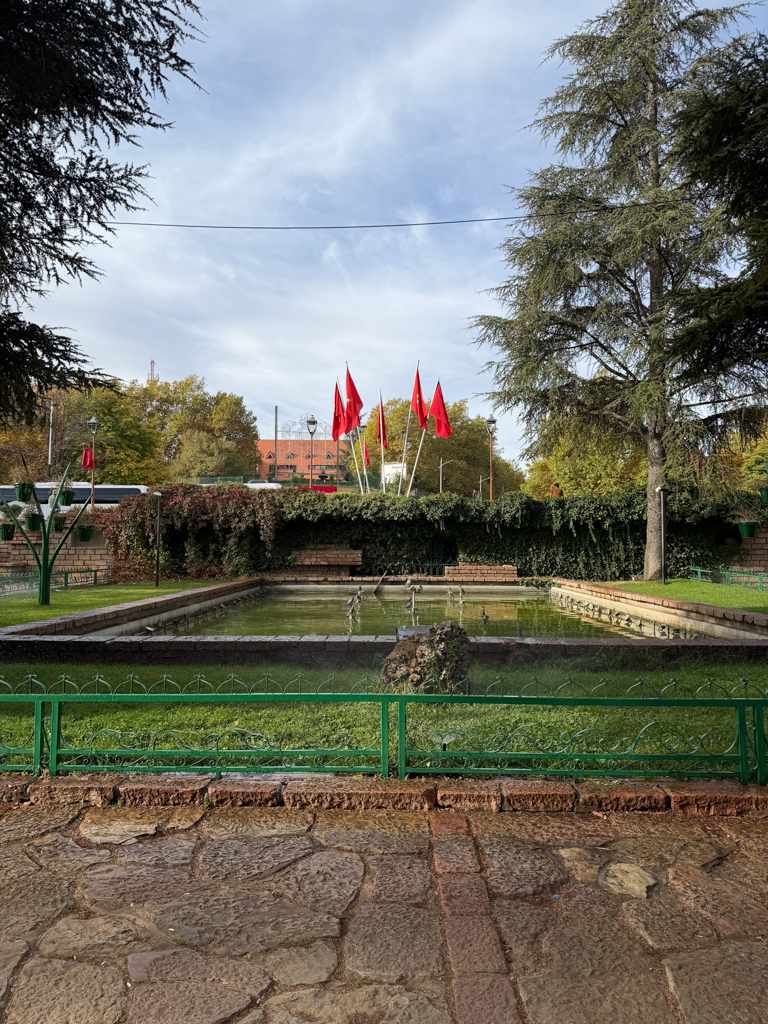
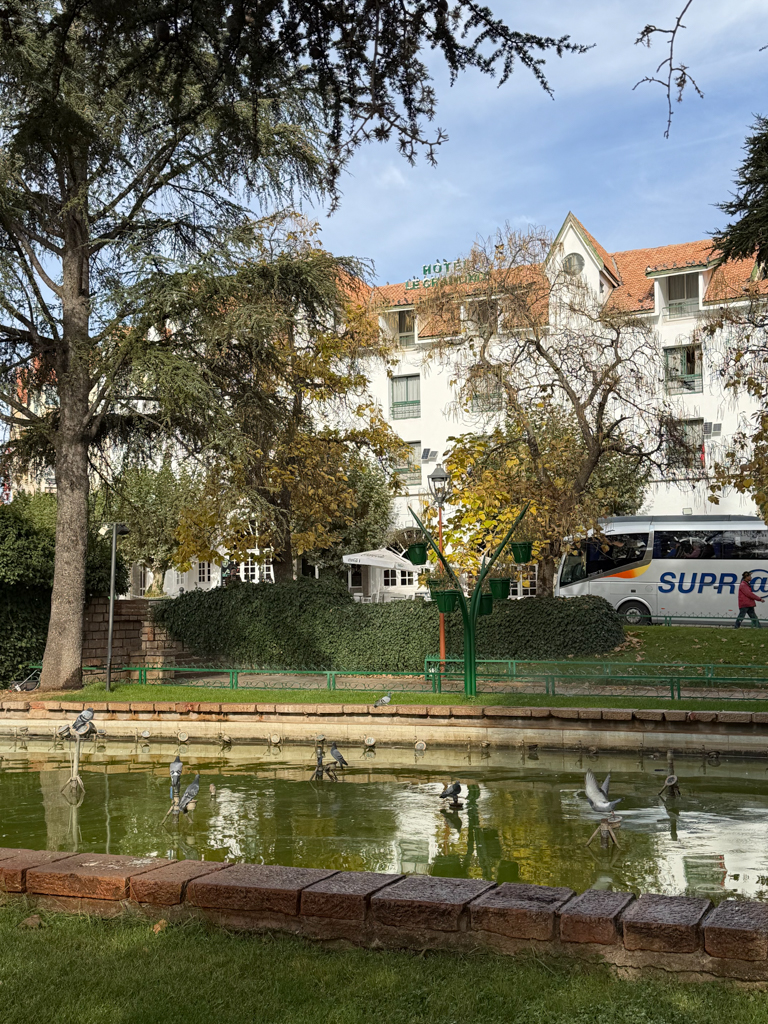
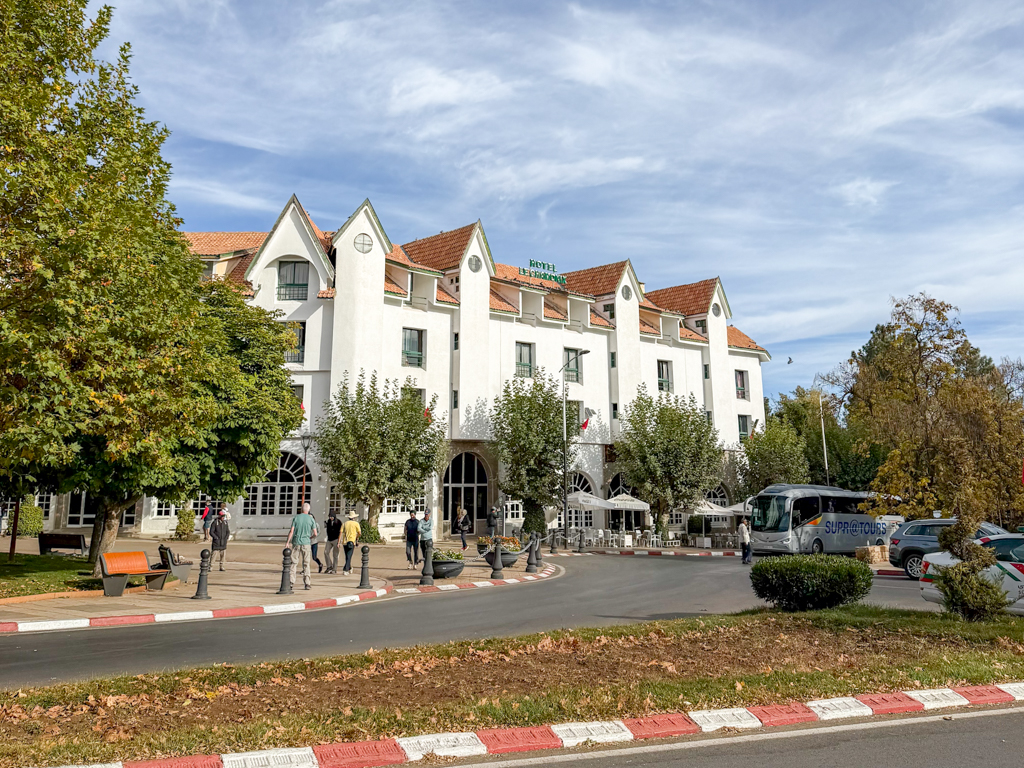
Ifrane, often called the “Switzerland of Morocco,” was a striking contrast to the desert landscapes and busy medinas I’d grown used to. Set high in the Middle Atlas Mountains, the town offered cool, crisp air, spotless streets, and European style buildings with red tiled roofs.
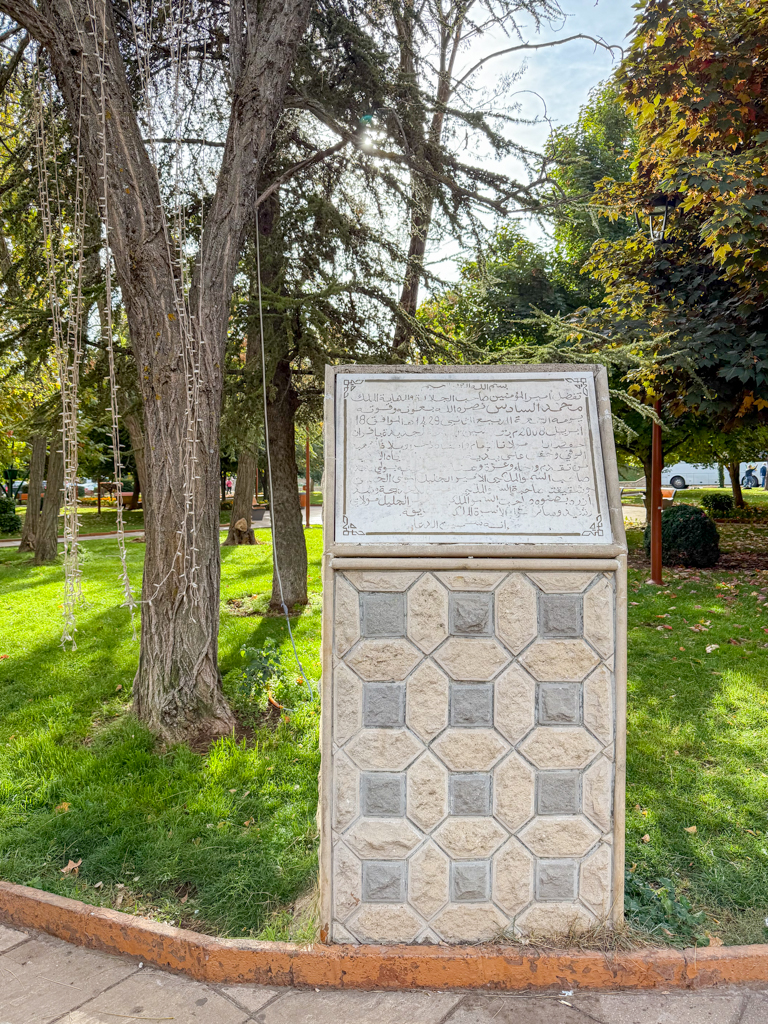


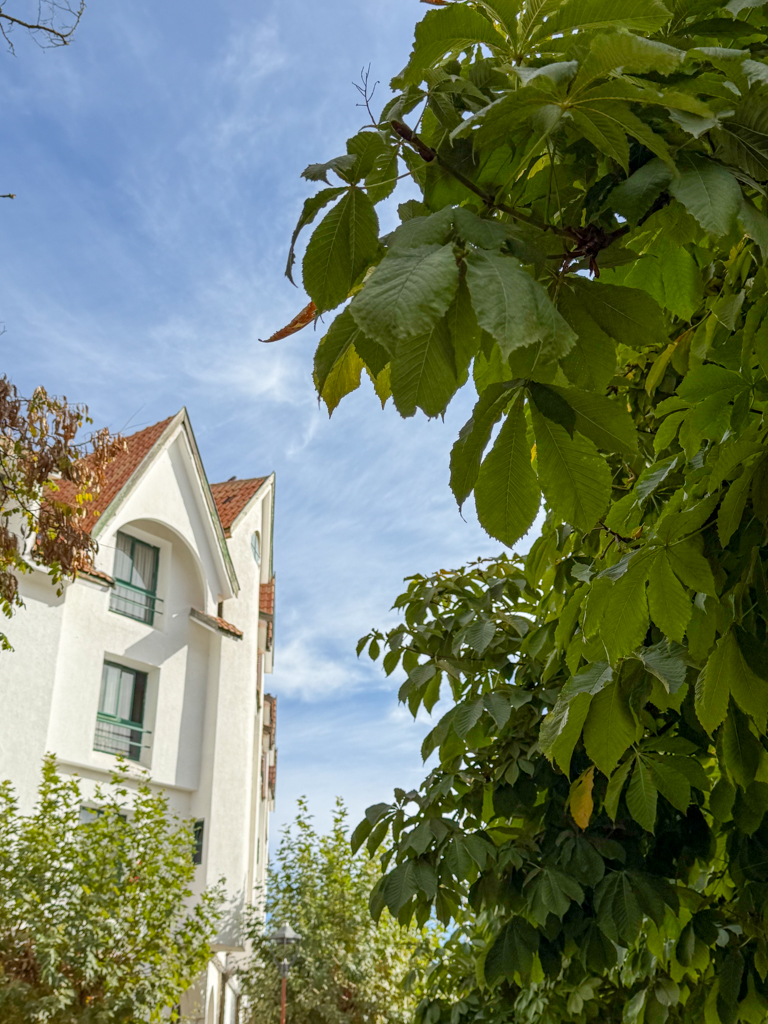
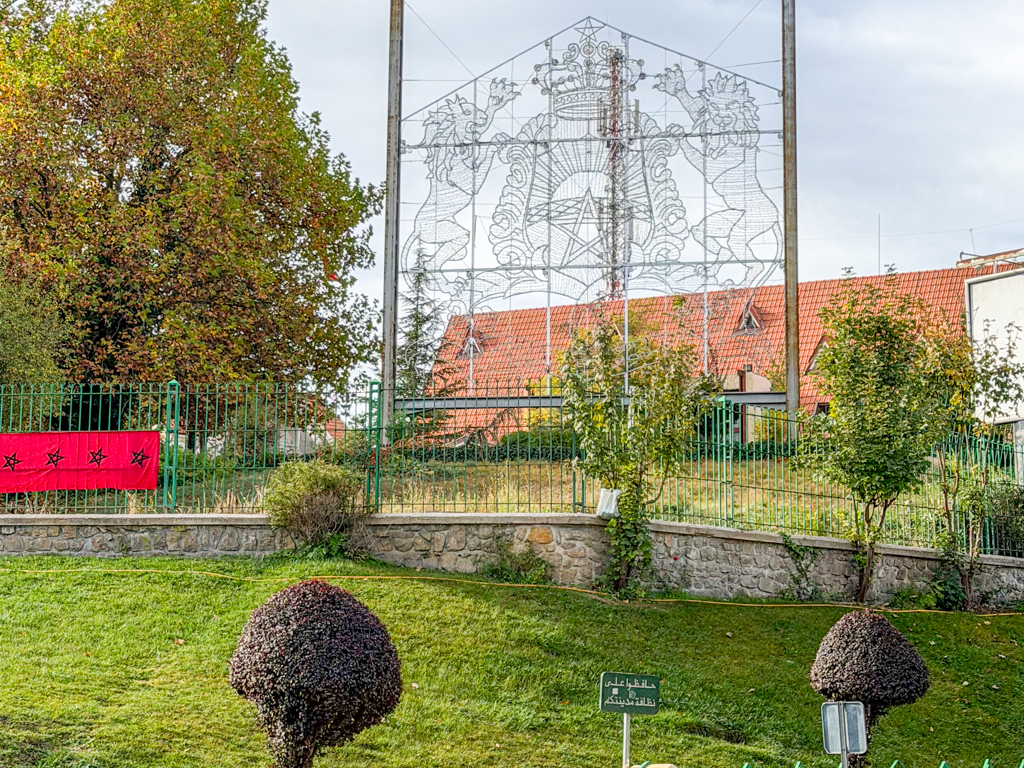
Built during the French colonial era as a mountain resort, it still felt like a peaceful alpine escape, surrounded by cedar forests, lakes, and the famous lion statue carved by an Italian prisoner during World War II.

It was completely unexpected, and the strong European influence made it feel like an entirely different side of Morocco.
The Barbary Macaque: Monkeys of the Cedar Forest in the Middle Atlas Mountains
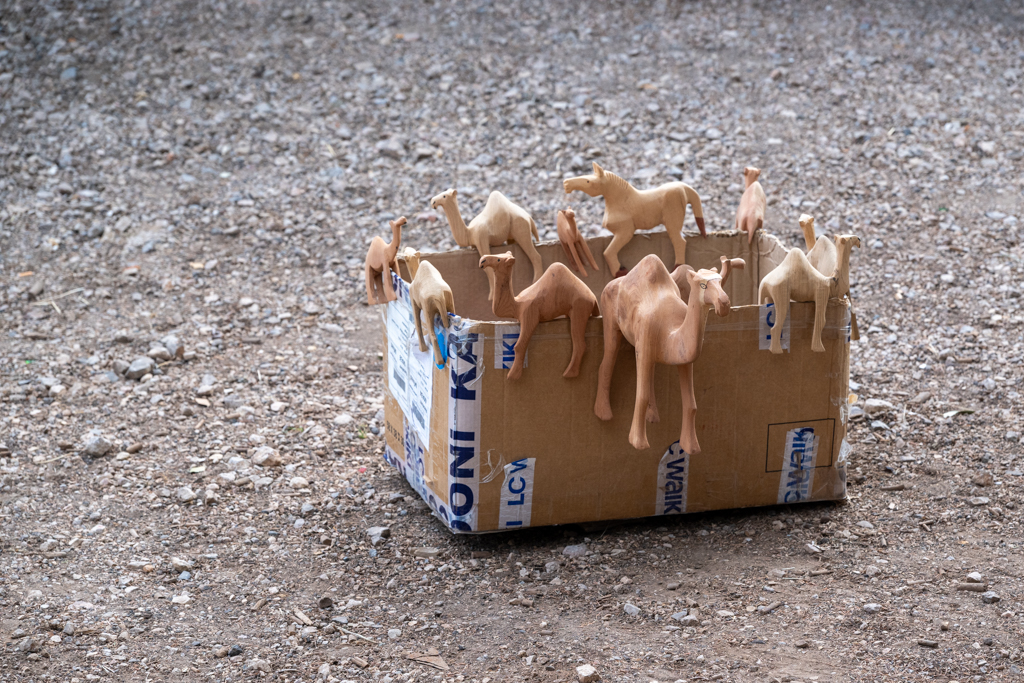
As soon as Kamal stopped the van, we were swarmed by vendors waiting for tourists, which felt overwhelming and made me want to step back and take in the moment quietly. Some people in our group bought food to feed the Barbary macaques, but I felt uneasy when I noticed a stray dog lingering nearby, also hoping for attention. I wondered how many people cared about the dog along with the monkeys.
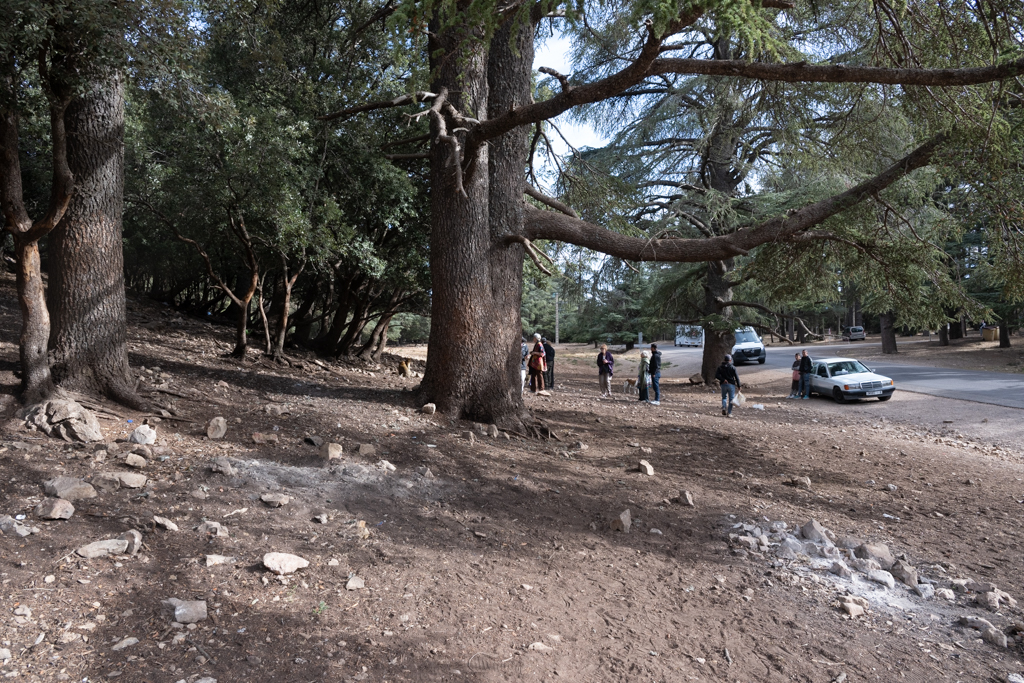
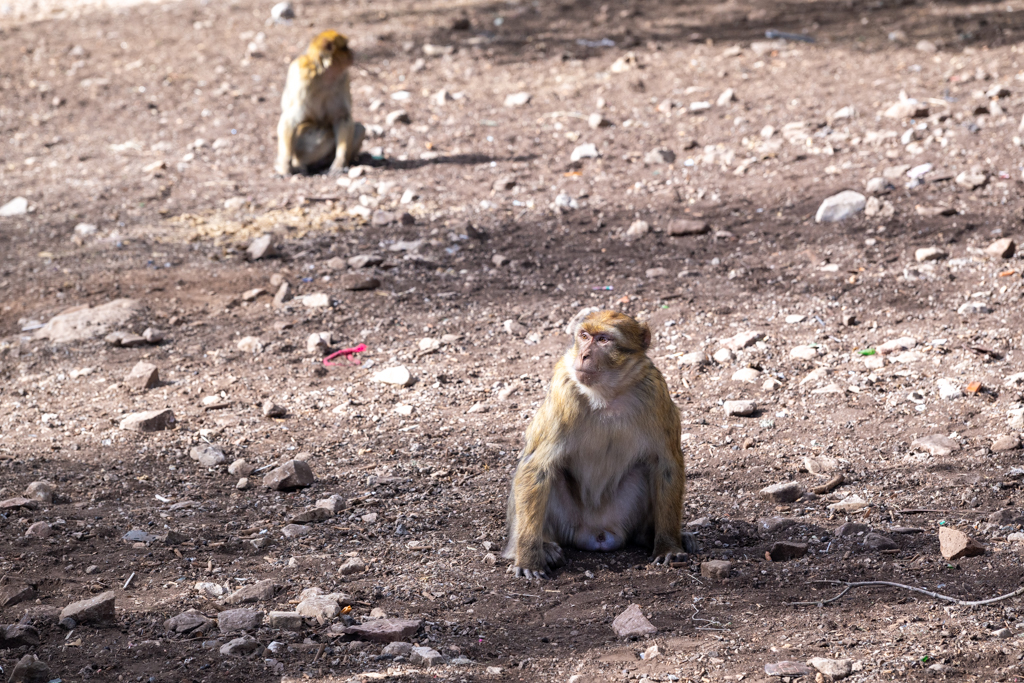
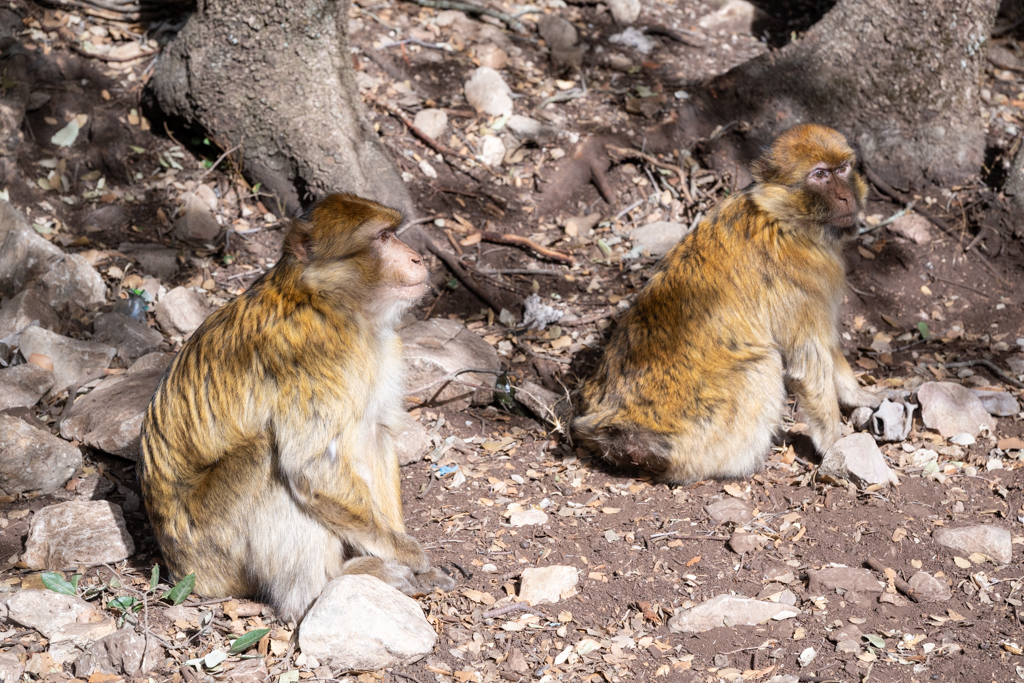
Once I stepped away from the crowd, I finally had a chance to appreciate the macaques in their natural environment. These monkeys are most commonly found in the cedar forests of the Middle Atlas Mountains near Azrou and Ifrane, and seeing them move freely among the towering trees felt surreal, especially knowing they’re one of the only wild monkey species in North Africa.
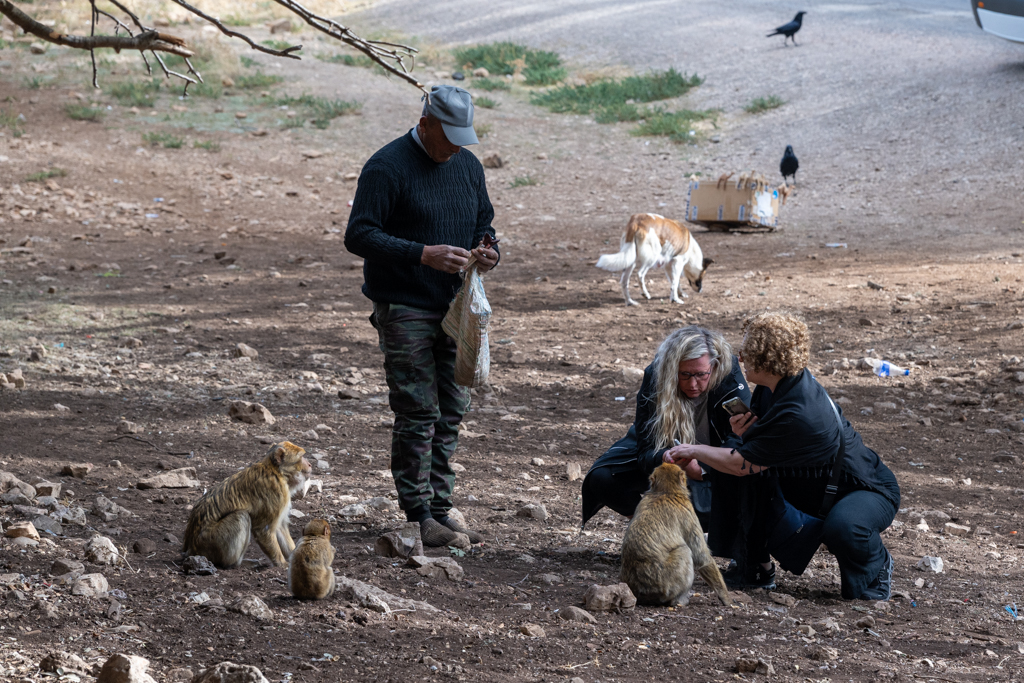
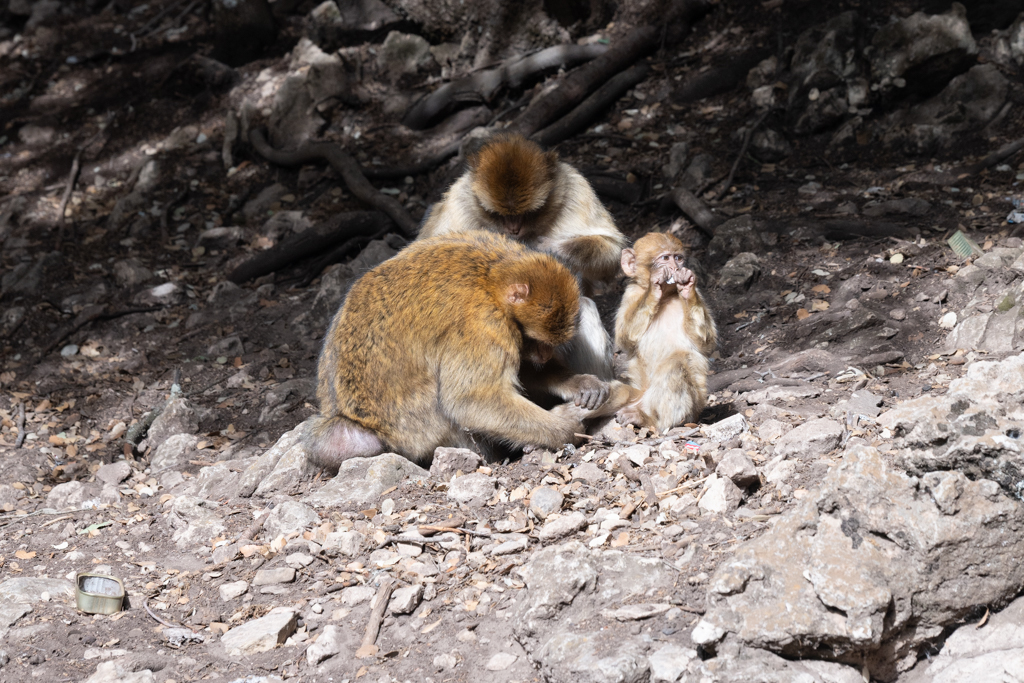
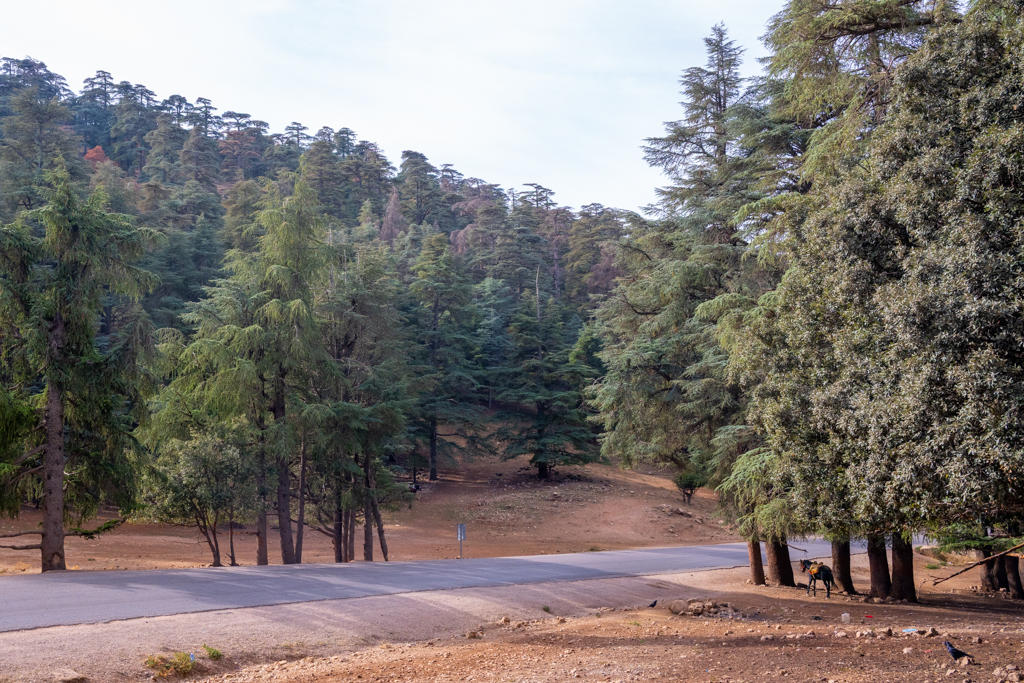
Some groomed each other calmly, while others darted confidently across the forest floor. Watching them in the quiet of the forest added an unexpected depth to my time in the region and reminded me of how diverse Morocco’s landscapes and wildlife truly are.
The Nomadic Tradition: Lunch with a Berber Family in Âit Qufella
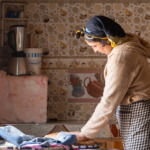
On our way to Merzouga, we stopped in Âit Qufella to visit a nomadic Amazigh family (A Taste of Tradition: Sharing Lunch and Music with a Nomadic Moroccan Family in Âit Qufella) to share a home cooked lunch and learn about their traditions.
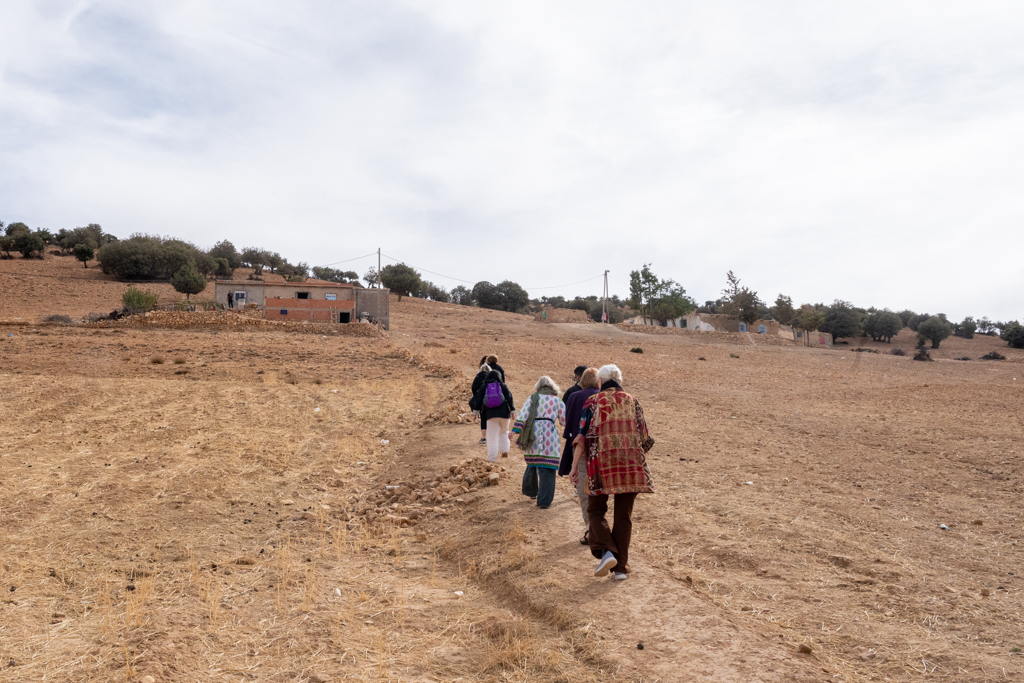
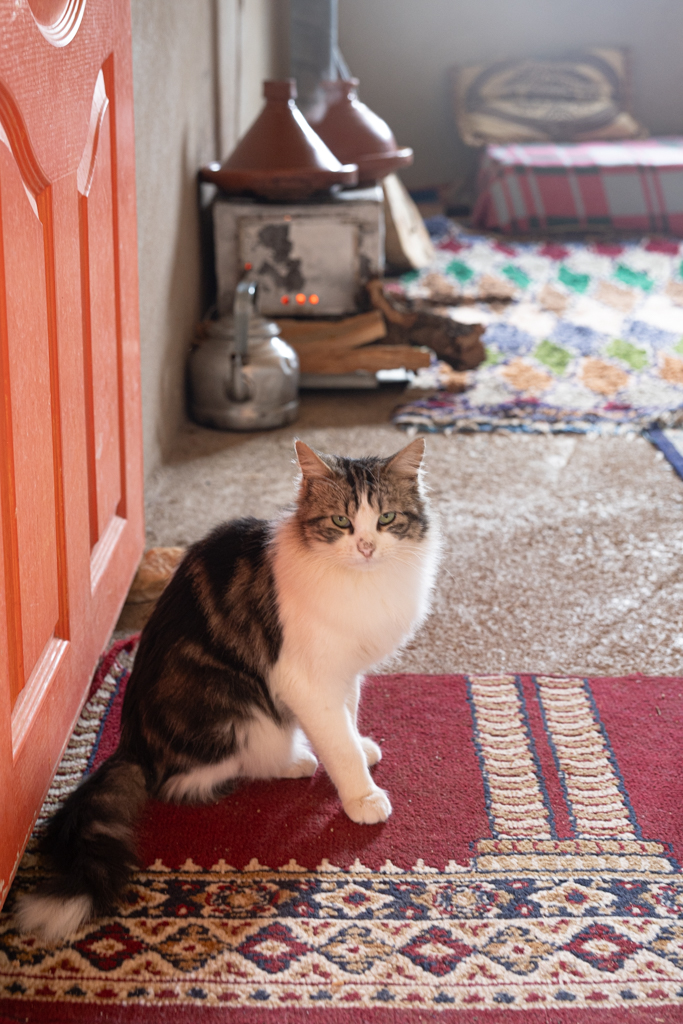

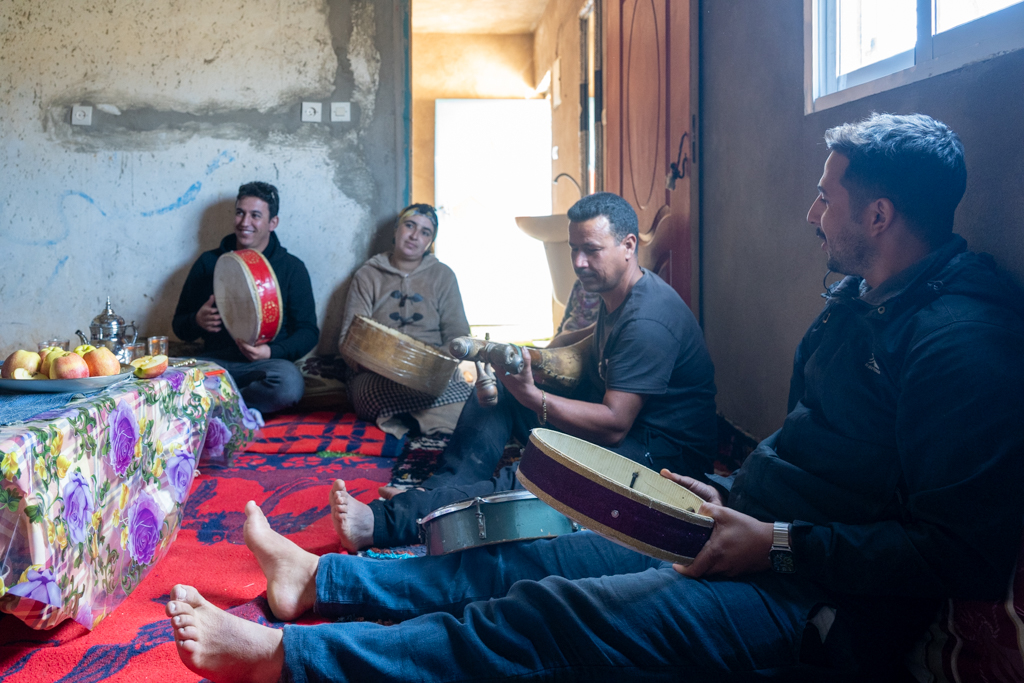
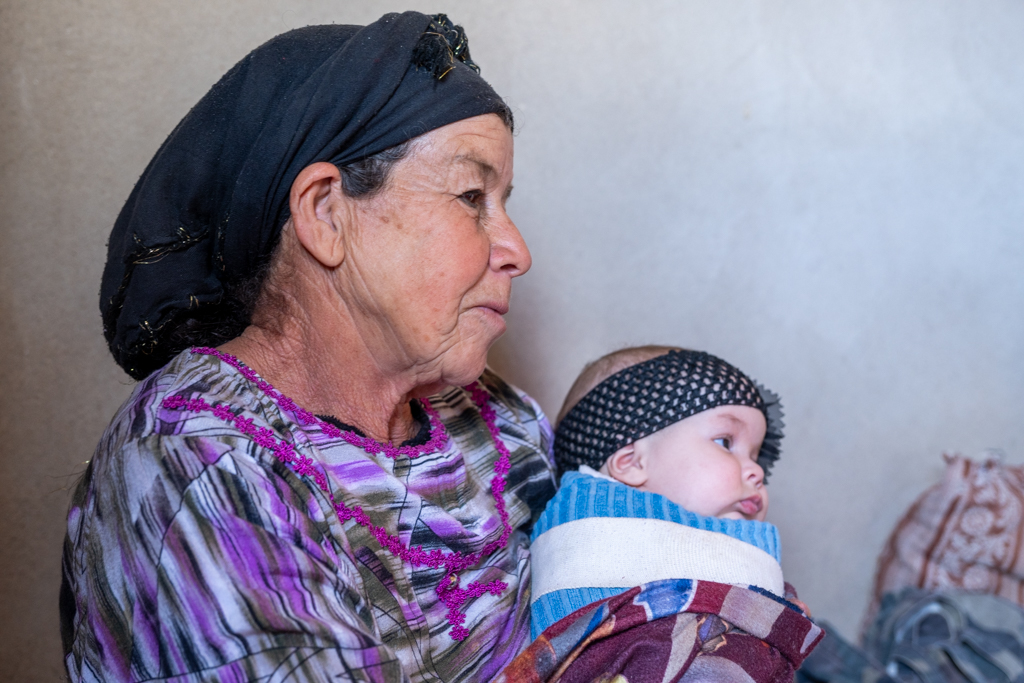
As we sat together, Rachid spoke about technology, Amazigh history, and the meaning behind the Muslim call to prayer, even demonstrating it in a way that felt unexpectedly moving. He also described how drought, declining livestock, and changing values threaten the future of nomadic life, a shift that weighs heavily on his generation.
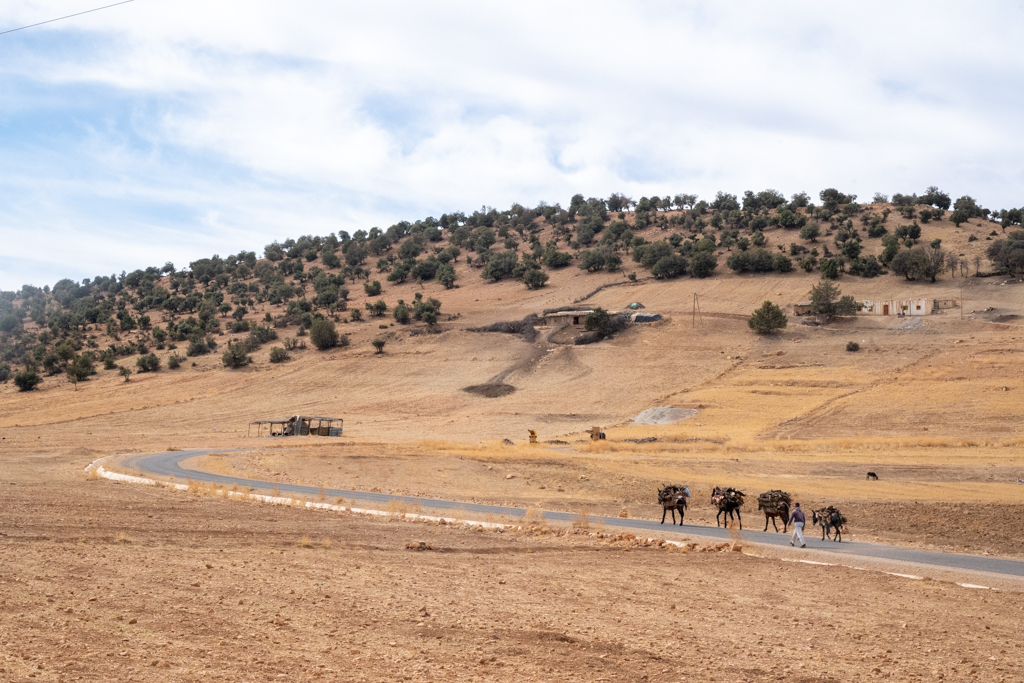
The family’s focus on living from the land, free from modern pressures, prompted me to reflect on simplicity, contentment, and what it means to appreciate the present.
Sunset at Ziz Gorge Valley
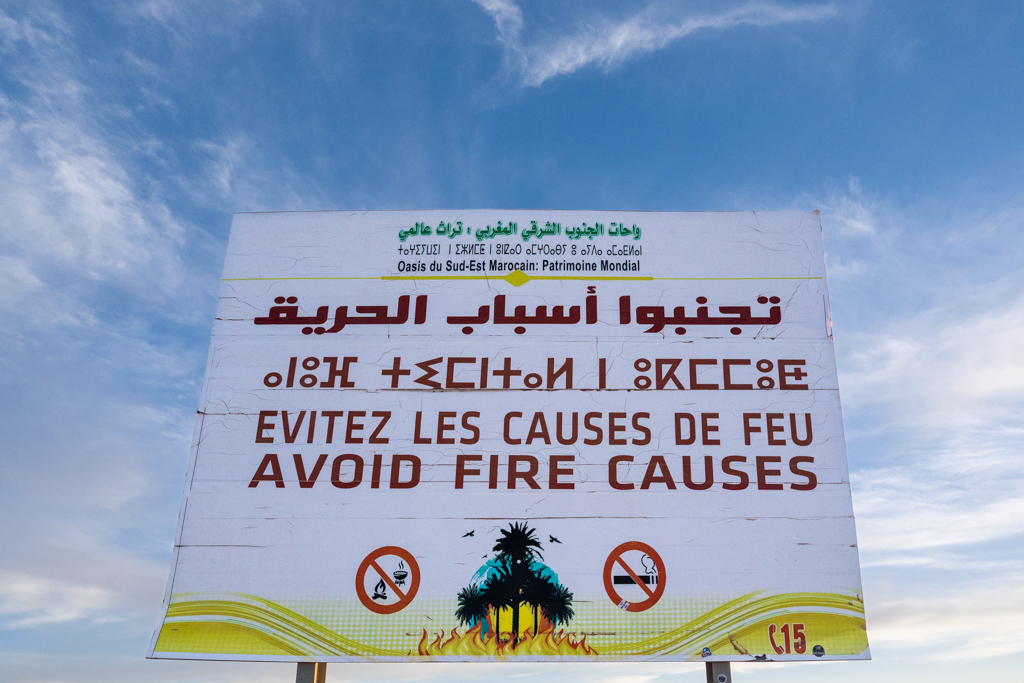
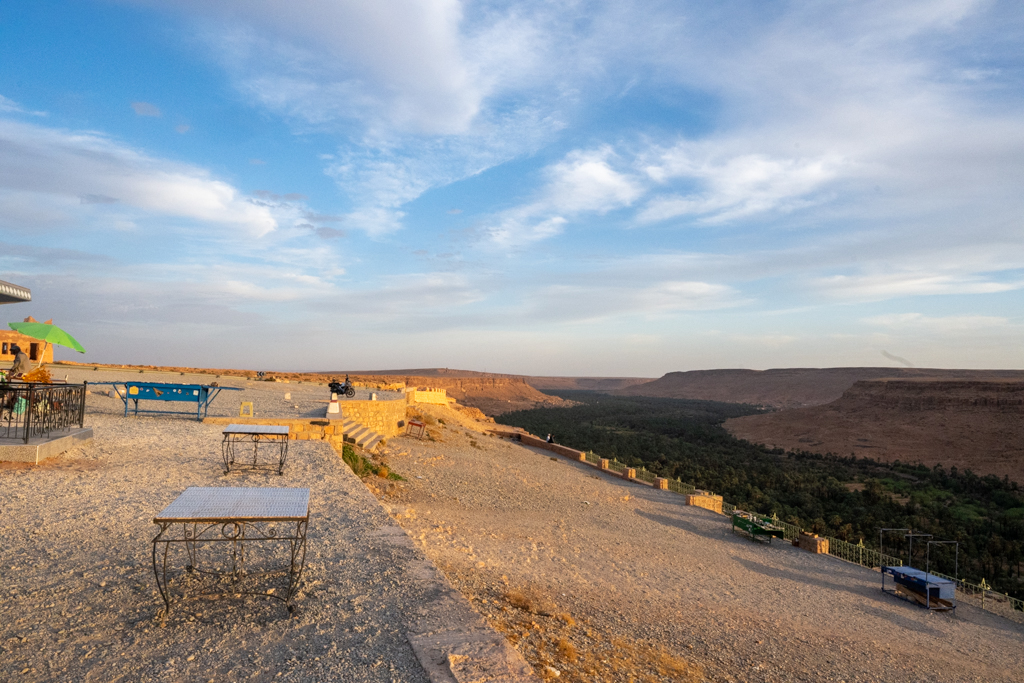
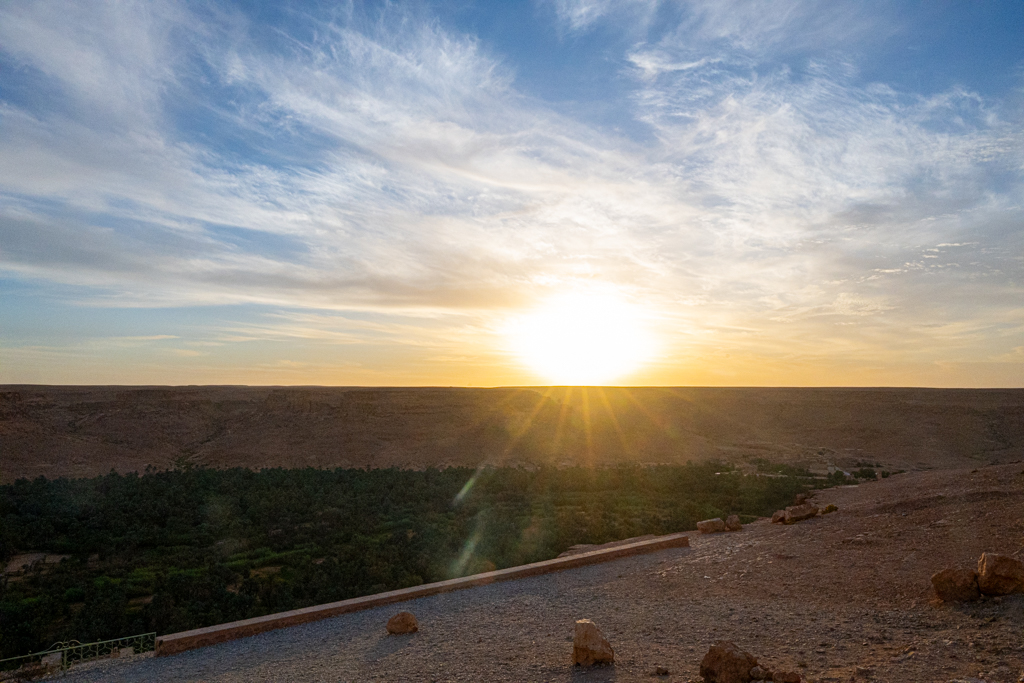
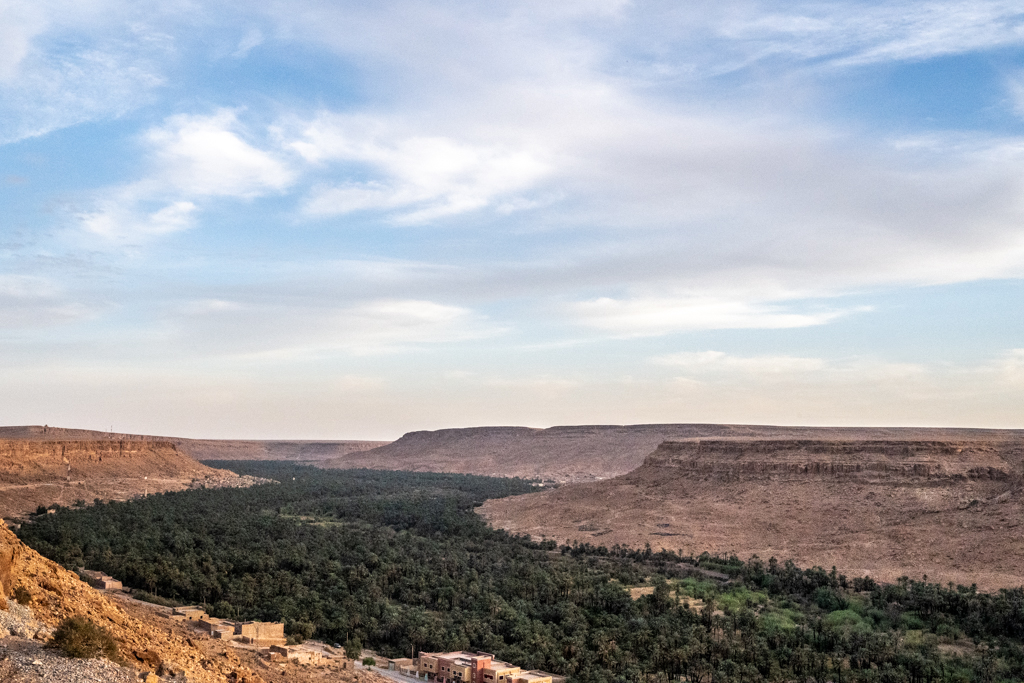
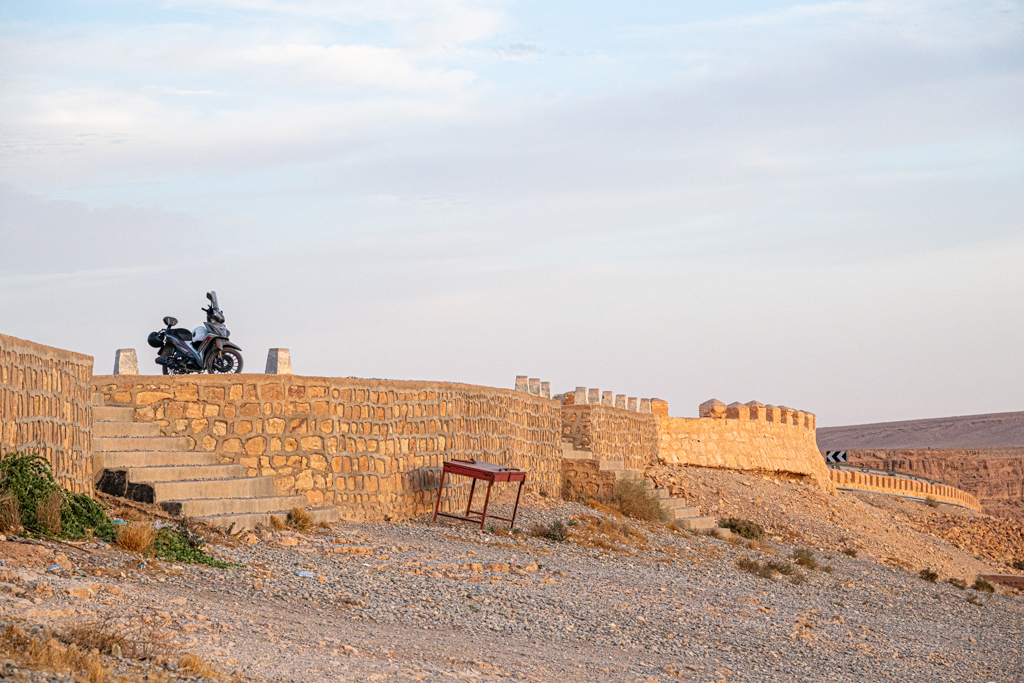
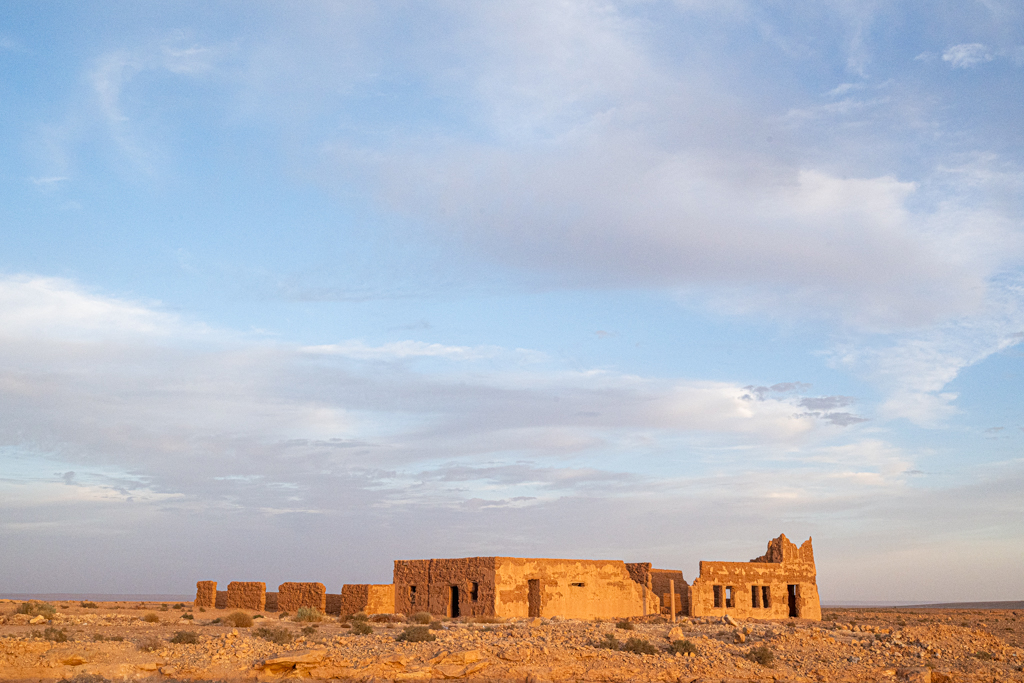
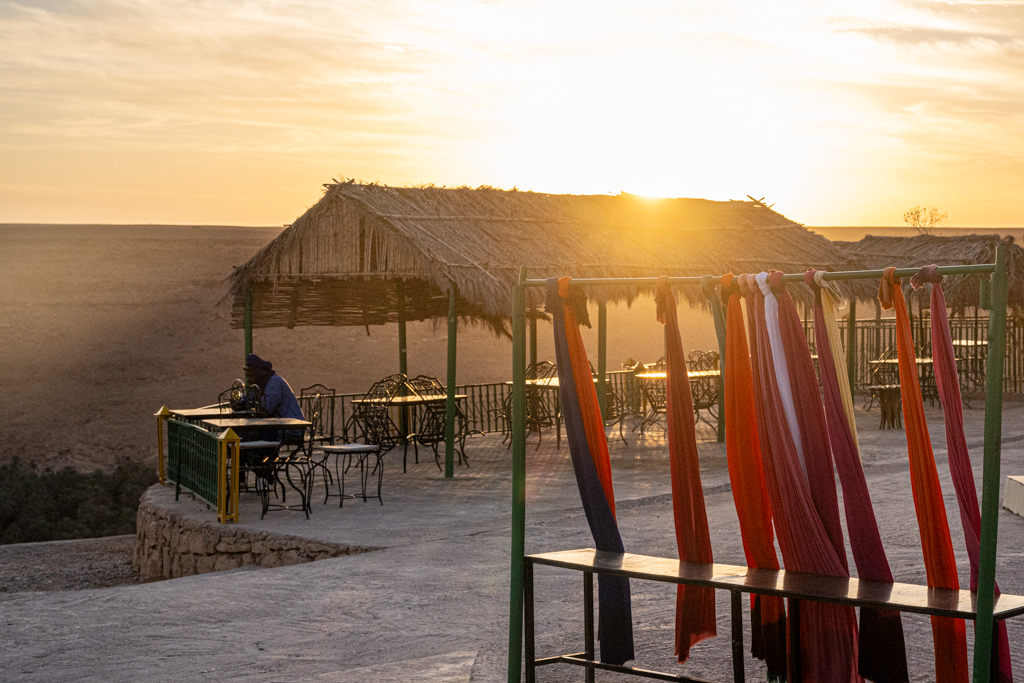
We stopped at the Oasis of the Southern Moroccan Biosphere Reserve lookout point for a gorgeous view of the sunset.
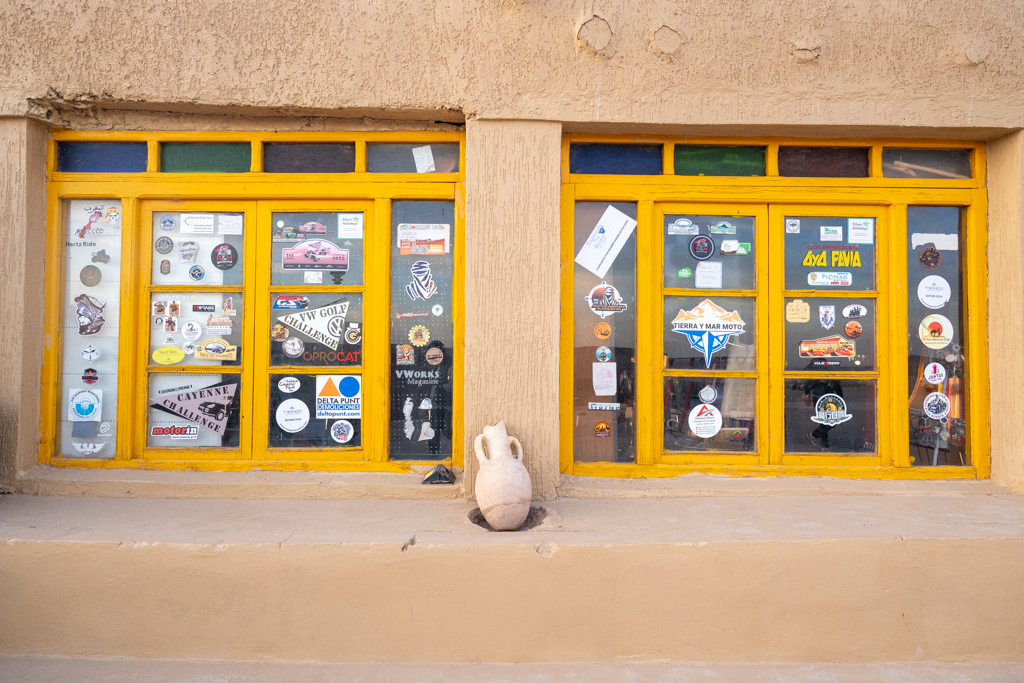
Arriving in the Sahara: Riad Serai
By the time we reached and settled into Riad Serai for the night, the day felt both long and incredibly full.
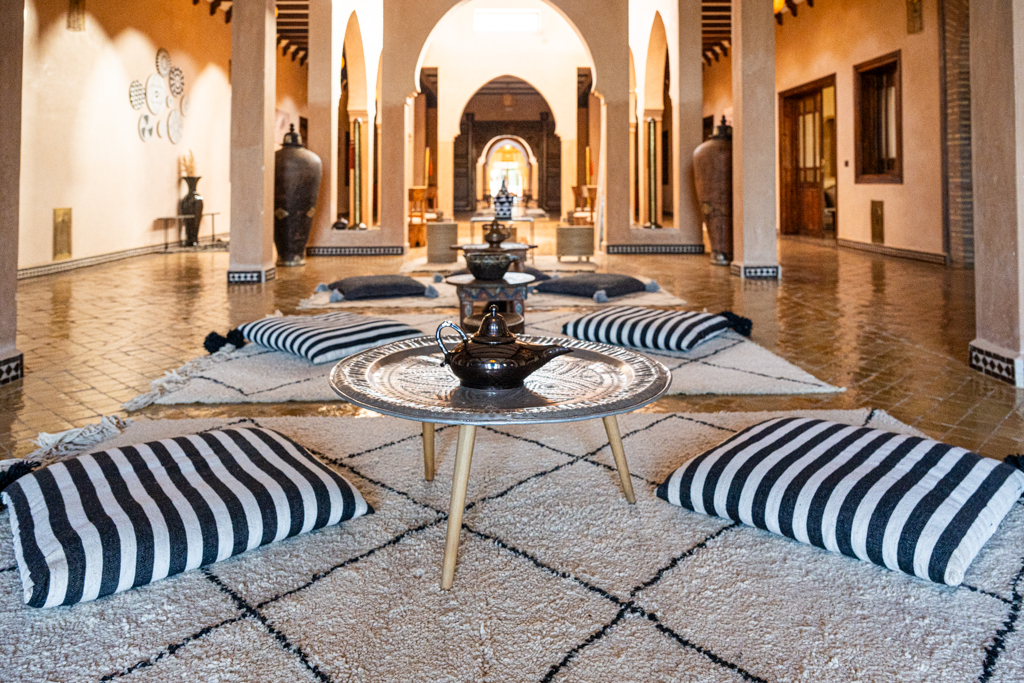
From a taste of Europe in Ifrane to the cedar forests to watching the sun set over Ziz Gorge, each moment added another layer to my understanding of Morocco.
It was a day of contrasts, culture, and profound reflection.
And I appreciated it all.
Related Reviews
 ATVing the Erg Chebbi Sand Dunes in the Sahara with Merzouga Trails
 A 10 Day Moroccan Adventure with Kim Larkin Adventures
 Into the Sahara: A Sunset Camel Caravan Trek over the Erg Chebbi Dunes with Takojt Camel Treks
 A Taste of Tradition: Sharing Lunch and Music with a Nomadic Moroccan Family in Âit Qufella